What Is the Most Common Seat Belt Injury?
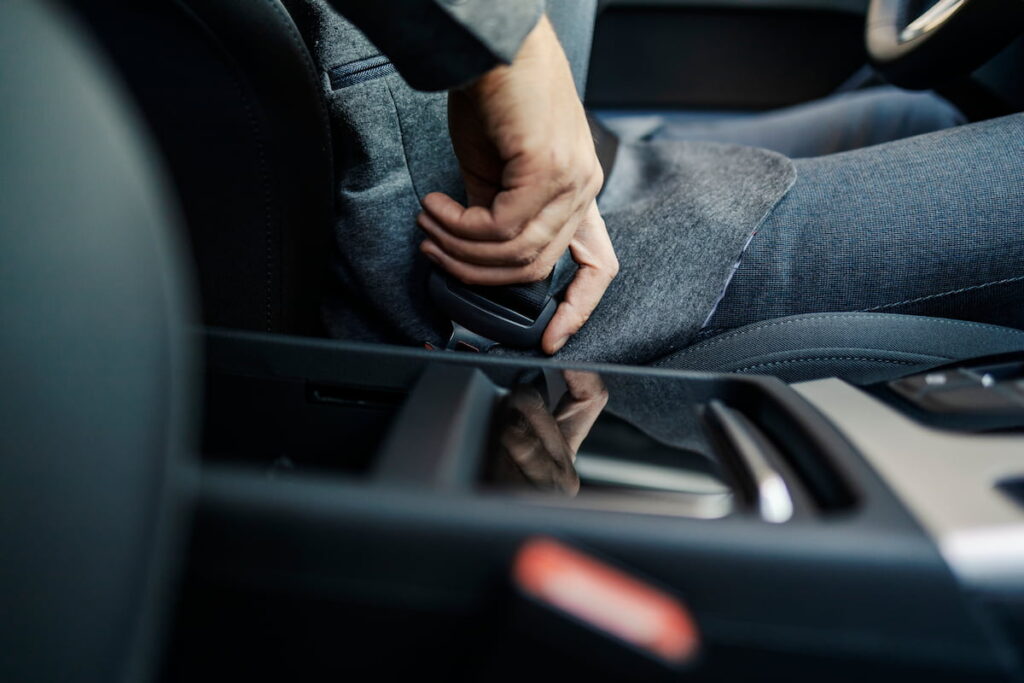
Seat belts are essential safety features in vehicles that protect passengers during collisions. While they save lives and prevent fatal injuries, they can also result in minor and severe injuries. Common seat belt-related injuries are known as “seat belt syndrome.”
Learn about common seat belt injuries, how to prevent them, and whether you need to seek legal help.
What Is Seat Belt Syndrome?
Seat belt syndrome refers to a range of injuries caused by the force of the seat belt during a motor vehicle accident. These injuries often manifest as seat belt marks and more severe internal damage to areas such as the chest, abdomen, and spine.
The term was first introduced in medical literature to describe injury patterns directly correlated with seat belt use during accidents.
Common Symptoms
Individuals experiencing seat belt syndrome may exhibit:
- Abdominal pain and tenderness: Indicative of potential internal organ injury.
- Chest discomfort: May suggest rib fractures or cardiac contusions.
- Respiratory difficulties: Could be a sign of lung injury or diaphragmatic rupture.
- Skin abrasions and lacerations: Visible marks where the seat belt contacted the body.
Common Injuries Associated with Seat Belt Syndrome

1. Chest and Shoulder Injuries
The shoulder harness component of a seat belt can inflict significant trauma to the chest and shoulder regions during a collision. Notable injuries include:
- Bruising and abrasions: Known as seat belt sign, bruising from the belt’s forceful contact is a common seat belt injury.
- Rib and clavicle fractures: Due to the concentrated pressure during impact.
- 내부 장기 손상: Such as cardiac contusions or pulmonary injuries from the transmitted force.
2. Abdominal Injuries
The lap belt portion, when positioned improperly or subjected to extreme force, can cause injuries to abdominal organs:
- Intestinal perforation: Tears in the intestinal walls leading to leakage into the abdominal cavity are common missed intestinal injuries.
- Bowel rupture: Complete tears requiring immediate surgical intervention.
- Organ damage: Including the liver, spleen, or kidneys, potentially leading to internal bleeding.
3. Spinal Injuries
Excessive force from a seat belt can impact the spinal column:
- Vertebral fractures: Breaks in the spinal bones, which may compromise structural integrity.
- 척추 손상: Potentially leading to neurological deficits or paralysis.
4. Neck Injuries
While seat belts are crucial in preventing ejection, they may not fully prevent neck injuries:
- 편타성 손상: Rapid back-and-forth motion causing strain or sprain of neck muscles and ligaments.
- Cervical spine injuries: More severe cases may involve fractures or dislocations of cervical vertebrae.
5. Vascular Injuries
Vascular injuries refer to damage to the blood vessels, including arteries, veins, and capillaries. There are a few causes, including:
- Blunt trauma: Occurs when a blood vessel is crushed or stretched.
- Penetrating injury: Occurs when a blood vessel is punctured or severed.
An emancipated minor must show the DMV their California Insurance Proof Certificate along with emancipation court orders.
Recognizing and Responding to Seat Belt Injuries
Recognizing the signs of seat belt injuries and seeking medical attention promptly is crucial, as well as early diagnosis. Symptoms may include chest pain, difficulty breathing, abdominal pain, and visible bruising or abrasions where the seat belt made contact with the body.
Diagnosis
Diagnosis typically involves a physical examination, imaging tests, and CT scans to assess the extent of the injuries.
Proper Treatment
Initial treatment for seat belt syndrome may include pain management and rest. More severe injuries may require surgery or other medical evaluation.
Preventing Seat Belt Injuries
While it’s impossible to eliminate the risk of seat belt injuries entirely, there are steps you can take to minimize the risk:
1. Proper Seat Belt Usage
- Correct positioning: The shoulder belt should cross the chest midway between the neck and shoulder, and the lap belt should lie snugly across the hips, not the abdomen.
- Avoiding slack: Ensure the belt fits closely against the body without twists.
2. Seat Adjustment
- Optimal seating position: Maintain an upright posture with the seat back in a nearly vertical position.
- Appropriate distance: Position the seat so that there is at least 10 inches between the chest and the steering wheel or dashboard.
3. Vehicle Maintenance
- Timely repairs: Promptly address any issues with retractors, buckles, or belt material.
- Regular inspections: Periodically check seat belts for signs of wear, fraying, or malfunction.
Important Information for Pregnant Women and Children
If you are pregnant, your seat belt should be placed below your belly and touching your thighs. Your shoulder belt should fit snugly across the center of your shoulder and chest. Never wear your seat belt above or across your belly.
Children must be properly restrained in a car seat or booster seat, depending on their age, weight, and size.
Once a child is big enough for the seat belt to fit properly without a booster, make sure the lap belt lies securely across the upper thighs (not the stomach) and that the shoulder belt rests on the shoulder and chest (not the neck or face).
Legal Considerations and Seeking Compensation
Victims of seat belt syndrome resulting from vehicular accidents may have grounds for legal action, especially if another party’s negligence contributed to the incident.
Potential Claims
Injured parties might pursue compensation for:
- 의료비: Covering treatments for the injuries sustained, such as surgeries, medications, and rehabilitation.
- 임금 손실: Accounting for time away from work during recovery.
- 신체적, 정신적 고통: Recognizing the physical and emotional toll of the injuries.
Speak to a Personal Injury Lawyer
While seat belts are vital for safety, it’s essential to be aware of the potential injuries they can cause and take steps to minimize the risk. Always wear your seat belt correctly and seek medical attention if you suspect any injuries following a collision. Certain injuries, such as internal injuries, are not immediately apparent but are serious.
If you were in a motor vehicle accident caused by someone else’s negligence, consulting with an experienced personal injury attorney can clarify your legal options, help gather essential evidence, and advocate for you to obtain the compensation you deserve.
DK all the way


사고 직후부터 보상까지 all the way 함께
무료 상담 예약하기
교통사고 전문 변호사와 한국어 상담이 가능합니다. 무료 상담
DK Law에서 함께 합니다.
DK all the way
지금 바로 교통사고 전문 변호사와 무료 상담을 받아 보세요!