무릎 연골 손상
연골 파열과 같은 무릎 손상은 평생에 걸친 합병증을 초래할 수 있습니다.

A torn meniscus is one of the most common knee injuries, often caused by sudden twists, sports accidents, or heavy lifting. This injury can make walking difficult, limit mobility, and even require assistance with daily activities. For many, it also means time away from work and lasting pain if left untreated.
If your meniscus injury was caused by someone else’s negligence, you may be entitled to compensation. Contact our experienced injury attorneys today to discuss your options.
What Is a Meniscus Injury?
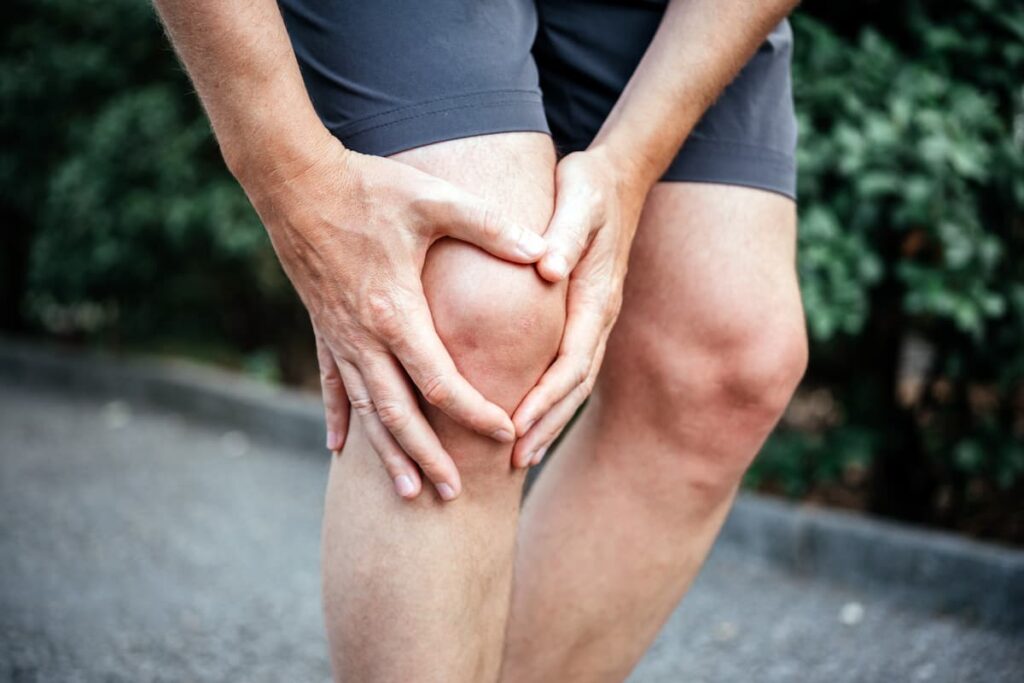
반월상연골은 대퇴골과 경골 사이의 연결 부위에 위치한 연골 조직으로 관절에 완충 역할을 합니다. 무릎이 비정상적인 방향으로 강하게 비틀리거나 회전할 경우, 이 연골은 자극을 받거나 손상되며 찢어질 위험이 매우 높습니다.
Types of Meniscus Tears
- Medial Meniscus: Located on the inner side of the knee, the medial meniscus is the most commonly injured.
- Lateral Meniscus: Found on the outer side of the knee, injuries here are less common but can still cause significant pain and swelling.
- Traumatic Tear: Often occurs during sports or accidents when the knee is suddenly twisted or stressed.
- Degenerative Tear: Develops over time, usually in older adults, due to wear and tear on the knee cartilage.
Causes of Meniscus Injuries
Meniscus injuries often occur when the knee experiences sudden stress, twisting, or pressure. Common causes include:
- Direct Impact: 여기서 fall, collision, or car accident can put force on the knee, leading to a meniscus tear.
- Degeneration: Over time, the meniscus can weaken due to age or repetitive strain, making it more prone to tears from minor movements.
- Sports Injuries: Activities that involve running, jumping, or sudden changes in direction—like football, basketball, or soccer—can easily tear the meniscus.
- Twisting Movements: Even everyday activities, such as turning quickly while walking or lifting heavy objects, can damage the knee.
Understanding the cause of your injury can help guide treatment and determine whether another party may be responsible.
Risk Factors
Certain factors can increase the likelihood of a meniscus injury:
- Age: Older adults are more prone due to natural wear and tear.
- Sports Participation: Frequent involvement in high-impact or pivot-heavy sports.
- Obesity: Extra weight puts added stress on the knee joints.
Previous Knee Injuries: Past injuries can weaken the meniscus and surrounding structures.
반월상연골 손상의 주요 증상
Common signs of a meniscus injury include:
- Knee pain: Often localized along the inner or outer side of the knee and may worsen when twisting or squatting.
- Swelling or stiffness: Swelling can appear immediately or gradually, limiting knee movement.
- Difficulty straightening your knee fully: The knee may feel tight or stuck, making it hard to fully extend.
- Feeling your knee give way: Instability may cause it to feel like the knee cannot support your weight.
- Locking or popping sensation: Some people experience a catching or popping sensation during movement.
- Reduced range of motion: Bending or twisting the knee may be painful or restricted.
Meniscus injuries are not always apparent immediately following an accident. Symptoms can appear hours or even days later, and they may be masked by other injuries such as sprains, fractures, or soft tissue damage. Early diagnosis is crucial for preventing further damage and enhancing recovery outcomes.
Diagnosing a Meniscus Injury

Diagnosing a meniscus injury typically involves a combination of physical exams and imaging tests:
- Physical Exam: A doctor will check your knee for swelling, tenderness, and range of motion. Specialized tests, such as the McMurray test or Thessaly test, help identify meniscus tears.
- X-ray: While X-rays cannot show cartilage tears, they can rule out fractures or other bone-related issues.
- MRI (Magnetic Resonance Imaging): MRI scans provide detailed images of soft tissues, including the meniscus, making it the most effective non-invasive diagnostic tool.
- Arthroscopy: In some cases, a minimally invasive procedure may be performed to directly view and repair the meniscus.
Without the right diagnosis, victims of meniscus injuries may suffer unnecessary complications, prolonged pain, and delayed recovery. Early and accurate diagnosis is also critical for preserving your legal rights.
Why Early Diagnosis Matters for Legal Claims
Prompt medical attention not only supports your recovery but also strengthens your injury claim. Documented medical records can:
- Establish the link between the injury and the accident
- Support claims for medical expenses, lost wages, and pain and suffering
- Prevent insurance companies from disputing your case
The sooner you seek medical care, the stronger your case may be. The meniscus injury lawyers at DK Law are dedicated to ensuring that our clients receive the necessary treatment and the compensation they deserve, regardless of whether their injury occurred in a car accident, a slip-and-fall incident, or another negligent event.
Treatment Options for a Meniscus Injury
Treatment for a meniscus injury depends on the type, location, and severity of the tear, as well as your age, activity level, and overall health. Common treatment options include:
1. RICE (Rest, Ice, Compression, Elevation)
Often recommended for minor tears, RICE helps reduce swelling, relieve pain, and promote healing in the initial stages.
2. Medication
Over-the-counter pain relievers or anti-inflammatory drugs can help manage pain and inflammation while the knee heals.
3. Physical Therapy
Targeted exercises strengthen the muscles around the knee, improve range of motion, and prevent further injury. A physical therapist can tailor a program to your specific needs.
4. Meniscus Surgery
For more severe or persistent tears, surgical options may include meniscus repair or partial meniscectomy to remove the damaged tissue. Surgery is typically followed by rehabilitation to restore knee function.
Recovery and Prognosis
Recovery time for a meniscus injury varies depending on the severity of the tear and the chosen treatment:
- Minor Tears (Non-Surgical): With RICE therapy, medication, and physical therapy, recovery typically takes 4 to 6 weeks, although some stiffness may persist.
- Surgical Repair: Recovery from meniscus surgery often requires 3 to 6 months, including rehabilitation exercises to restore strength and mobility.
- Long-Term Outlook: Most people regain full knee function with proper treatment; however, untreated or severe injuries can lead to chronic pain, instability, and an increased risk of arthritis.
Early treatment, consistent rehabilitation, and proper follow-up care are key to a successful recovery. If your meniscus injury was caused by someone else’s negligence, documenting your treatment and recovery is also critical for pursuing a personal injury claim and securing fair compensation.
Your Legal Rights After a Meniscus Injury
If you suffer a torn meniscus in a car accident, slip-and-fall, or other incident caused by someone else’s negligence, you may be entitled to legal compensation. Meniscus injuries can lead to medical bills, lost wages, pain and suffering, and long-term mobility issues—costs that a responsible party should be held accountable for.
An experienced personal injury attorney can help you:
- Document Your Injury: Ensure all medical records, treatment notes, and diagnostic tests are properly collected to support your claim.
- Establish Liability: Determine who is legally responsible for the accident and your resulting injuries.
- Maximize Compensation: Fight for fair recovery for medical expenses, lost income, rehabilitation costs, and pain and suffering.
- Navigate Insurance Claims: Protect your rights when dealing with insurance companies that may try to minimize payouts.
Seeking legal guidance early can strengthen your case and increase the likelihood of receiving full and fair compensation for your meniscus injury.
Frequently Asked Questions (FAQs)
Can a meniscus heal on its own?
Minor meniscus tears may heal with rest, ice, and physical therapy, especially in younger patients. However, more severe tears or those that block knee movement usually require surgery to fully restore function.
How soon should I see a doctor after a knee injury?
Even if pain seems mild, prompt medical attention is important. Early diagnosis prevents complications and provides the necessary documentation for a personal injury claim.
Can I file a personal injury claim for a meniscus injury?
Yes. If someone else’s negligence caused your injury—such as a car accident or slip-and-fall—you may be entitled to compensation for medical bills, lost wages, and pain and suffering.
How can I strengthen my meniscus injury claim?
Keep detailed records of medical treatments, diagnostic tests, work absences, and related expenses. Accident reports, photos, and witness statements also help establish liability.
DK Law가 연골 부상을 입은 피해자들을 지원하는 방식
Meniscus injuries can usually be treated by qualified medical professionals, but without proper care, they can lead to chronic pain, limited mobility, and other significant complications. At DK Law, our meniscus injury lawyers are committed to helping clients receive the necessary care while pursuing full compensation.
전문 지식
After an accident, meniscus injuries need to be diagnosed and treated promptly. Our attorneys work with a trusted network of medical professionals to ensure clients receive accurate diagnoses and tailored treatment plans. We guide clients through the process, asking the right questions and ensuring no detail is overlooked.
정당한 보상금
Our lawyers fight to secure fair compensation for every aspect of your injury. This includes medical expenses (past and future), lost income, rehabilitation costs, pain and suffering, and any long-term impacts on your quality of life.
광범위한 네트워크
At DK Law, we connect clients with top medical providers, including orthopedic surgeons, physical therapists, radiologists, pain management specialists, and other trusted professionals. This network ensures that clients receive comprehensive care that supports both their recovery and any potential legal claims.
Guidance all the way
From the initial consultation to settlement or trial, DK Law provides personalized guidance, clear communication, and strategic support. Our goal is to help you focus on healing while we handle the legal complexities of your meniscus injury case.
DK All the way


사고 직후부터 보상까지 all the way 함께
무료 상담 예약하기
교통사고 전문 변호사와 한국어 상담이 가능합니다. 무료 상담
DK Law에서 함께 합니다.
DK all the way
지금 바로 교통사고 전문 변호사와 무료 상담을 받아 보세요!