회전근개 부상
어깨 근육 및 힘줄의 파열이나 염좌는 통증과 더불어 물리적 행동 범위의 제한을 유발하는 주요 부상입니다.
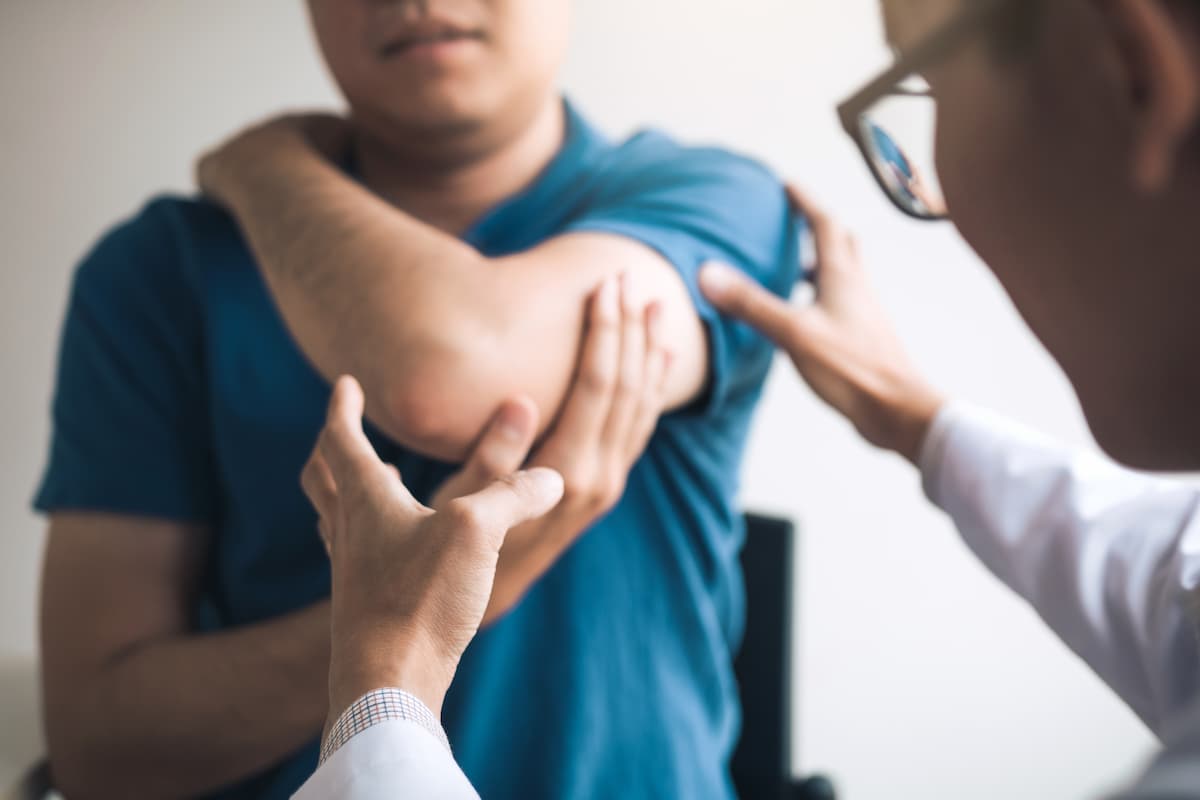
The rotator cuff is a group of muscles and tendons that keep the upper arm bone secure in the shoulder socket. These tissues can be easily damaged in accidents, including motor vehicle crashes, slips and falls, and workplace injuries. When injured, rotator cuff damage can cause pain and limit movement, making prompt treatment essential to avoid complications.
If you’ve suffered a rotator cuff injury, DK Law is here to help. We can guide you through your legal options and ensure you receive the compensation you deserve.
What Is a Rotator Cuff Injury?

The rotator cuff is a group of four muscles and tendons that surround your shoulder joint. It plays a critical role in allowing you to lift and rotate your arm, making everyday activities like reaching overhead, lifting, and throwing possible. Because of its key function and frequent use, the rotator cuff is prone to injury.
Each year, more than 2 million Americans suffer from rotator cuff injuries, making it one of the most common shoulder injuries. Rotator cuff injuries can range from mild strains to severe tears, and may include:
- Partial Tear – The tendon is partially torn, leading to pain, weakness, and limited motion.
- Full-Thickness Tear – A complete tear that may require surgical intervention, severely limiting the use of the arm and causing significant discomfort.
Whether caused by trauma, overuse, or aging, a rotator cuff injury can impact your ability to perform everyday tasks. If you’re experiencing pain or weakness in your shoulder, it’s important to seek medical evaluation to determine the extent of the injury and appropriate treatment options.
Causes of Rotator Cuff Injuries
Rotator cuff injuries can occur in two main ways:
- Traumatic accidents, such as motor vehicle collisions, slips and falls, or heavy lifting, can cause immediate damage to the shoulder.
- Wear and tear due to repetitive activities—like lifting, reaching, or throwing—can gradually weaken the rotator cuff tendons over time, leading to injury.
Risk Factors
While rotator cuff injuries can happen to anyone, certain factors increase the risk:
- Age: People over 40 are more susceptible due to the natural aging process, which causes tendons to lose flexibility and strength.
- Smoking: Smoking reduces blood flow to tendons, impairing the healing process and increasing the risk of injury.
- Poor posture: Bad posture, such as slouching or rounded shoulders, can put excess strain on the rotator cuff muscles and tendons.
- Certain jobs: Occupations that involve repetitive overhead motions, like carpenters, mechanics, painters, or construction workers, are at higher risk of shoulder injuries.
- Athletes: Athletes who engage in sports with frequent overhead motions (e.g., baseball, tennis, swimming) are more prone to rotator cuff injuries due to the repetitive stress on the shoulder.
회전근개 부상 증상
Rotator cuff injuries can present with a variety of symptoms, some of which may develop gradually. Here are the most common signs to look out for:
- Dull ache in the shoulder: A constant, nagging pain that can intensify with certain movements.
- 움직임과 함께 악화되는 통증: Discomfort may become more severe when lifting or reaching overhead.
- Difficulty lifting the arm: Weakness or pain makes it challenging to raise your arm or perform routine tasks.
- 수면 장애: Pain may prevent you from sleeping comfortably, especially when lying on the affected side.
- Popping, clicking, or cracking sounds: You may hear or feel sensations in the shoulder as the tendons move abnormally.
- Muscle weakness: A loss of strength in the shoulder, making it hard to carry or lift objects.
Rotator cuff injuries are not always immediately apparent after an accident. Symptoms may develop gradually over days or weeks, or they may be overshadowed by other injuries. Early diagnosis and treatment are essential to prevent long-term complications.
Diagnosis
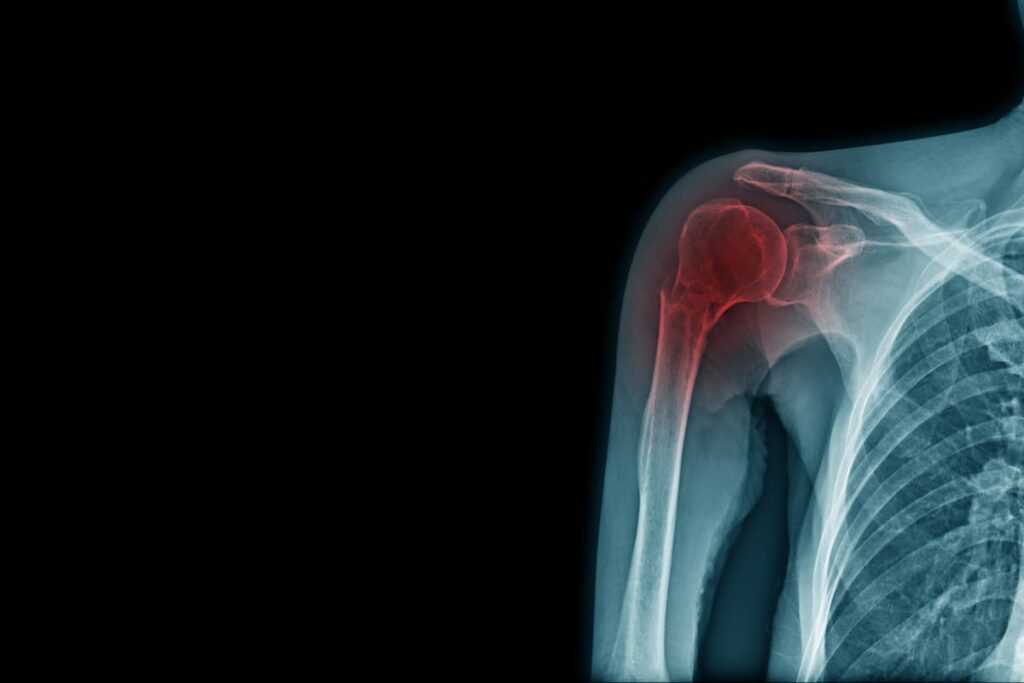
Accurately diagnosing a rotator cuff injury is essential for effective treatment and recovery. A proper diagnosis typically involves several steps, including:
- Physical Exam: A skilled physician will first perform a physical examination to assess shoulder movement, pain levels, and strength. They may ask you to perform specific movements to test for limitations and discomfort.
- X-ray: While an X-ray doesn’t show soft tissues like tendons, it can help rule out bone fractures or joint problems. It can also reveal signs of wear and tear, such as bone spurs, which might be contributing to your symptoms.
- MRI (Magnetic Resonance Imaging): An MRI is the most effective way to visualize soft tissue injuries like rotator cuff tears. It provides detailed images of the tendons and muscles, helping doctors determine the extent of the injury, whether it’s a partial tear or a complete rupture, and whether surgery may be needed.
Without the right diagnosis, rotator cuff injuries may not receive the appropriate treatment, which can lead to unnecessary complications such as chronic pain, decreased mobility, and long-term disability. In some cases, improper diagnosis or delays in treatment can also result in a diminished quality of life, including the inability to work or perform everyday tasks.
Rotator Cuff Injury Treatment
The appropriate treatment for a rotator cuff injury depends on the severity of the injury and the patient’s individual needs. Common treatment options include:
1. Physical Therapy
Physical therapy is often the first line of treatment for rotator cuff injuries. A trained physical therapist will guide you through exercises to strengthen the muscles surrounding the rotator cuff, improve shoulder stability, and restore range of motion. Regular therapy can help reduce pain and prevent further damage. It is particularly effective for mild to moderate injuries and can be used in conjunction with other treatments.
2. Injections
Injections can help manage pain and reduce inflammation in the shoulder. Two common types of injections for rotator cuff injuries include:
- Corticosteroid Shot: A powerful anti-inflammatory medication injected directly into the shoulder joint to provide temporary relief from pain and swelling. While effective, corticosteroid injections should be used cautiously, as overuse may weaken the tendon over time.
- Platelet-Rich Plasma (PRP) Injections: An emerging treatment where your own blood is processed to concentrate healing platelets and injected into the shoulder to promote healing.
3. Surgery
In more severe cases, or when non-invasive treatments fail, surgery may be necessary to repair a torn or damaged rotator cuff. Surgical options can include:
- Arthroscopic Surgery: A minimally invasive procedure that uses small incisions and a camera to guide the repair of the tendon.
- Open Surgery: A more extensive procedure required for larger or more complex tears.
- Tendon Repair or Reconstruction: The damaged tendon is repaired or, in some cases, replaced with a tendon from another part of the body.
자세히 보기
4. NSAIDs (Nonsteroidal Anti-Inflammatory Drugs)
NSAIDs like ibuprofen or naproxen can help manage pain and reduce inflammation in the shoulder. While effective for short-term relief, NSAIDs should be used cautiously and under a doctor’s supervision, as long-term use can lead to gastrointestinal or kidney issues.
5. Rest
Resting the injured shoulder is essential to allow the body to heal. This might involve temporarily avoiding certain activities, especially those that involve overhead reaching or lifting. Rest helps prevent further strain on the tendons, but it must be combined with other treatments, such as physical therapy, to ensure full recovery.
Recovery Timeline
Recovery from a rotator cuff injury can take 12 to 18 months, especially for more severe cases. The timeline varies depending on the extent of the injury, treatment chosen, and individual healing factors. Full recovery can be slow, and without proper treatment, the shoulder can continue to stiffen, resulting in long-term discomfort, reduced mobility, and the inability to perform certain tasks.
For individuals whose work involves lifting, reaching overhead, or manual labor, a rotator cuff injury can be catastrophic. Such injuries may prevent you from performing essential job duties and can have a profound impact on your livelihood. It is critical to seek timely and effective treatment to prevent long-term disability.
Can I Recover Compensation for a Rotator Cuff Injury?
A rotator cuff injury is a common shoulder injury that can occur in car accidents, especially from the force of a seatbelt or impact on the left side of the body. These injuries are often difficult to diagnose immediately after an accident, as symptoms such as pain, stiffness, or weakness may not appear until days later.
Recovery from a rotator cuff injury can be lengthy and expensive. Treatment may involve physical therapy, steroid injections, or even surgery, followed by months of rehabilitation. During this time, many people struggle with limited mobility, difficulty performing daily tasks, and time away from work.
If your rotator cuff injury was caused by another driver’s negligence, you may be entitled to compensation. A personal injury claim can help you recover damages for:
- Medical expenses, including surgery and physical therapy
- 임금 손실 및 수입 능력 감소
- 신체적, 정신적 고통
- Long-term disability or reduced quality of life
Because these injuries are complex and insurers often dispute their severity, having an experienced personal injury lawyer can make a significant difference in securing full and fair compensation.
Frequently Asked Questions (FAQS)
How do I know if my shoulder pain after a car accident is a rotator cuff injury?
Symptoms like persistent shoulder pain, weakness when lifting your arm, limited range of motion, or a popping sensation could signal a rotator cuff injury. Because these injuries can be hard to detect right away, it’s important to see a doctor promptly for imaging and diagnosis.
Can I still file a claim if my rotator cuff injury showed up days after the accident?
Yes. Many rotator cuff injuries do not present immediate symptoms. As long as medical records and evidence link your injury to the accident, you may still pursue compensation.
자세히 보기
What types of compensation can I recover for a rotator cuff injury?
You may be eligible to recover medical expenses, lost wages, rehabilitation costs, and damages for pain and suffering. Severe cases may also include compensation for long-term disability or reduced quality of life.
Do I need a lawyer for a rotator cuff injury claim?
While you’re not required to hire a lawyer, insurance companies often dispute or undervalue shoulder injuries. An experienced attorney can help prove the severity of your injury, gather medical evidence, and negotiate for the maximum compensation you deserve.
How DK Law Supports Victims of Rotator Cuff Injuries
While a rotator cuff injury may be common, that doesn’t mean you should have to face treatment and recovery on your own. If you believe someone else’s negligence caused your injury, you are entitled to take legal action.
At DK Law, we have decades of experience representing those harmed in car crashes and slip-and-fall accidents. As soon as you pick up the phone to call us, we’re ready to fight for justice. Here’s how our firm works for you:
전문 지식
Rotator cuff injuries can be complex and are often overlooked in the immediate aftermath of an accident. Our team understands the challenges of diagnosing shoulder injuries. We work closely with trusted medical professionals to ensure clients receive the right tests, evaluations, and treatment plans to support both recovery and their legal claim.
정당한 보상금
Our rotator cuff injury lawyers fight to secure full and fair compensation for the lasting impact these injuries can have. Compensation may include coverage for past and future medical care, lost wages, reduced earning capacity, pain and suffering, and the toll of long-term physical limitations.
광범위한 네트워크
DK Law connects clients with leading medical providers in California, including orthopedic surgeons, physical therapists, radiologists, pain management specialists, and rehabilitation experts. This network not only helps clients heal but also provides the medical documentation necessary to strengthen their case.
Additional Resources
Below is a list of organizations and resources that can help you better understand rotator cuff injuries:
National Institute of Arthritis and Musculoskeletal and Skin Diseases (NIAMS) – Offers information on shoulder injuries, treatment options, and recovery strategies.
American Academy of Orthopaedic Surgeons (AAOS) – Provides patient guides, educational materials, and tips for managing musculoskeletal injuries.
National Athletic Trainers’ Association (NATA) – Offers advice on injury prevention, rehabilitation, and athletic care.
American Orthopedic Society for Sports Medicine (AOSSM) – Focuses on sports-related shoulder injuries, treatment approaches, and research updates.
DK All the way


사고 직후부터 보상까지 all the way 함께
무료 상담 예약하기
교통사고 전문 변호사와 한국어 상담이 가능합니다. 무료 상담
DK Law에서 함께 합니다.
DK all the way
지금 바로 교통사고 전문 변호사와 무료 상담을 받아 보세요!