7 Bicycle Safety Tips to Avoid an Accident
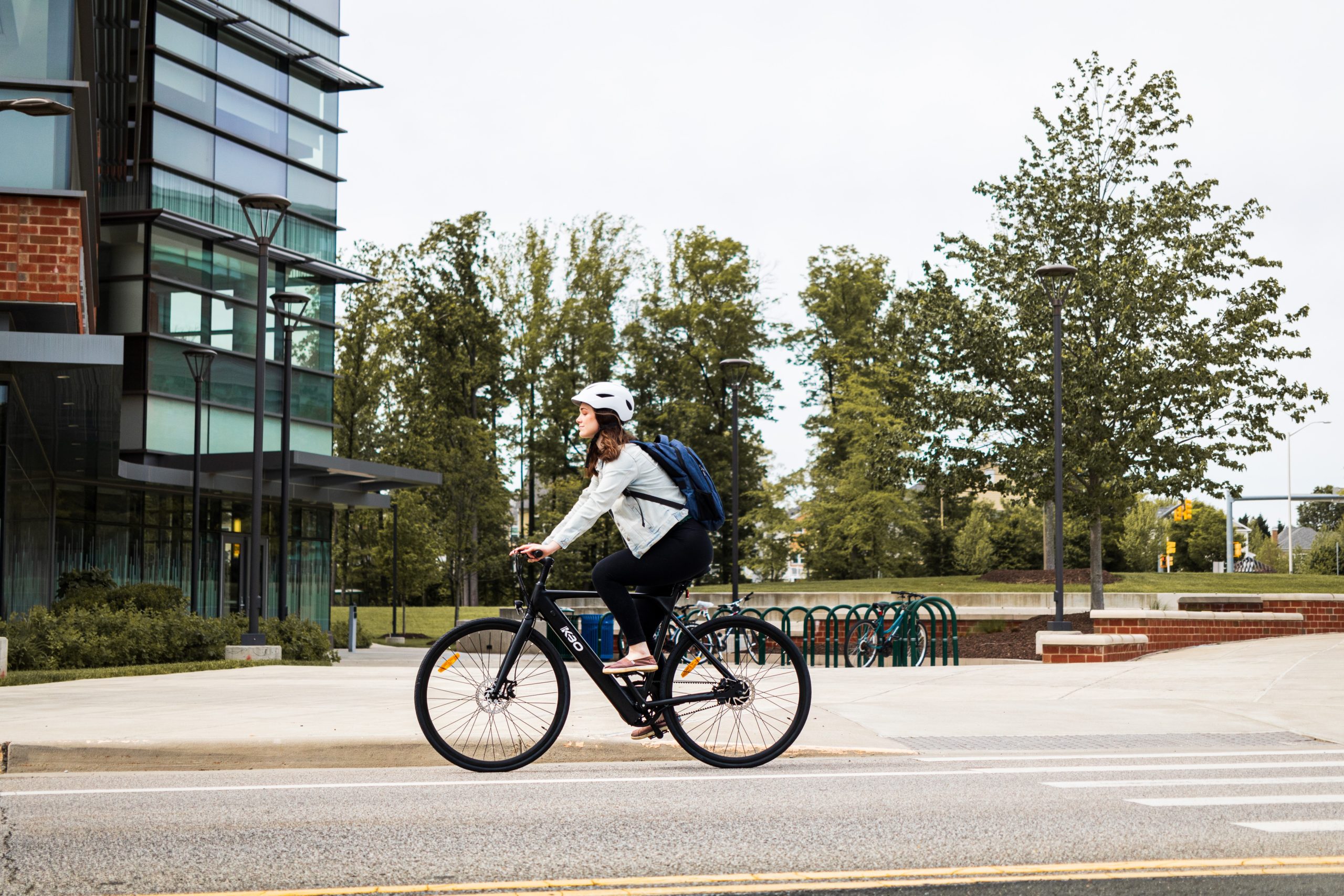
The number of preventable bike accident deaths has increased close to 40% over the past 10 years. When first learning to ride a bike, we were taught to follow certain safety procedures. However, over time and with more experience, some riders may become overly confident and neglect those precautions.
If you want to avoid a fatal or serious accident, there are key bicycle safety tips that should be followed every time you hit the road. Staying safe as a bicycle rider means adhering to some important safety rules and standards of conduct. Here are seven bicycle safety tips to avoid an accident.
1. Wear Bright Clothing
You need to stay visible at all times when you are cycling. Part of this means wearing the right type of clothing. During the daytime, you should wear fluorescent or colorful clothing.
At night, when it’s dark, your attire should be made of reflective gear. Wearing visible clothes will allow drivers to see you more clearly on the road. In both instances, you want to be as visible and eye-catching as possible so that motorists are more likely to see you, avoiding a collision.
2. Get Lights for Night Riding
Riding in the dark without lights on your bicycle is incredibly dangerous. Passing motorists are less likely to see you, so they will not know to yield for you. Turning at intersections will be especially dangerous and increase your chances of getting struck. Therefore, attach flashing lights or blinkers to your bike.
At the very least, you should have a headlight and a taillight. Having a flashing setting on your taillight will give you added visibility to passing motorists. You also may want to consider lights for your helmet and clothing.
3. Familiarize Yourself With the Causes of Bicycle Accidents
Speeding, driving under the influence, running red lights, talking on cellphones, fatigued driving, and other hazardous acts that cause bike accidents – if you know what to look out for, you will be much safer while riding your bicycle. Do some research about the most common causes of bicycle accidents in your area. For instance, if a preferred route runs along heavily congested highways at certain times, either take a different route or bike at a different time.
Also, treat every situation as a worst-case scenario. When approaching a stop sign, anticipate that drivers will not come to a complete halt. If you anticipate the unexpected, you can avoid a catastrophic accident.
4. Wear a Helmet
According to recent American College of Surgeons’ data, riders involved in a crash who wear a helmet have a 44% less chance of dying than those who do not wear a helmet. Helmets also reduce severe head trauma in non-fatal accidents.
The bottom line is that you should always wear your helmet when cycling. To not do so is a major risk that provides you no benefit. Bike accidents happen more often than you think.
5. Utilize Alternative Routes
You should always try to avoid busy roads and thoroughfares unless they have dedicated bike lanes or bike paths along the sidewalk. These options are ideal and will better safeguard you from crashes.
However, if there are none in your general area, be extremely careful with your preferred route. You should be fully alert and avoid distractions like listening to music with your earbuds in or texting on your cell phone while riding.
Or, you can take an entirely different route with less traffic. Not only will taking routes with lower traffic be safer, but you will also be able to enjoy your ride much better.
6. Use Hand Signals
At a busy intersection or turn, using hand signals can be very beneficial. Bicycle hand signals let drivers know what your intentions are and allow them to react accordingly. You should familiarize yourself with some basic signals.
When signaling to a driver, try to make eye contact or get some other form of acknowledgment before carrying out your maneuver. You want to make sure the driver is aware that you are present. Be assertive and visible in your actions and anticipate the unexpected.
7. Engage in Bicycle Safety Checks
The best way to ensure a safe ride is to inspect all of your equipment and make sure it is in working order. A blown tire or loose bike chain can endanger your safety while at high speeds. To avoid a bad accident, the following are some elements of your bicycle inspection that you should carry out. Make sure to check each element so you can stay safe.
Tires
You need to make sure that your tires are fully inflated and are free of cracks, leaks, or tears. Check with the manufacturer’s specifications on your tire’s label to determine the proper PSI (pounds per square inch) to inflate them to. If possible, you should also carry a flat repair kit in the event of a blowout.
Brakes
If your brakes fail at a critical time, they can lead to an accident. Test your brakes often and service them as needed. Inspecting your brakes is a critical part of bike maintenance.
Nuts and Bolts
You need to make sure that all of the nuts and bolts on your bicycle are tight. Critical failure points are on the wheel axles, handlebars, and pedals. Inspect your bolts often and make sure that they won’t come off during a ride.
Your Helmet
You should inspect your helmet often to make sure it is not cracked or broken. If your helmet shows signs of wear and tear, replace it. A cracked helmet is less effective and will not work as effectively.
If you notice the outer shell of your helmet starting to delaminate, cracks in its exterior, broken straps, or large chunks of the foam missing, you should replace it. You should also replace an old helmet every three to five years.
Bicycle Safety Could Save Your Life
If you like to ride, you need to prioritize bicycle safety to prolong your life. Ensure that you avoid accidents using the seven bicycle safety tips in this guide.
However, no matter how safe you ride, accidents do happen. If you or someone you know was involved in a bicycle accident, contact DK Law today for a free consultation. We are on your side and can help you get the justice you deserve.
DK All the way


사고 직후부터 보상까지 all the way 함께
무료 상담 예약하기
교통사고 전문 변호사와 한국어 상담이 가능합니다. 무료 상담
DK Law에서 함께 합니다.
DK all the way
지금 바로 교통사고 전문 변호사와 무료 상담을 받아 보세요!