California Booster Seat Law 2025: What Parents Actually Need to Know
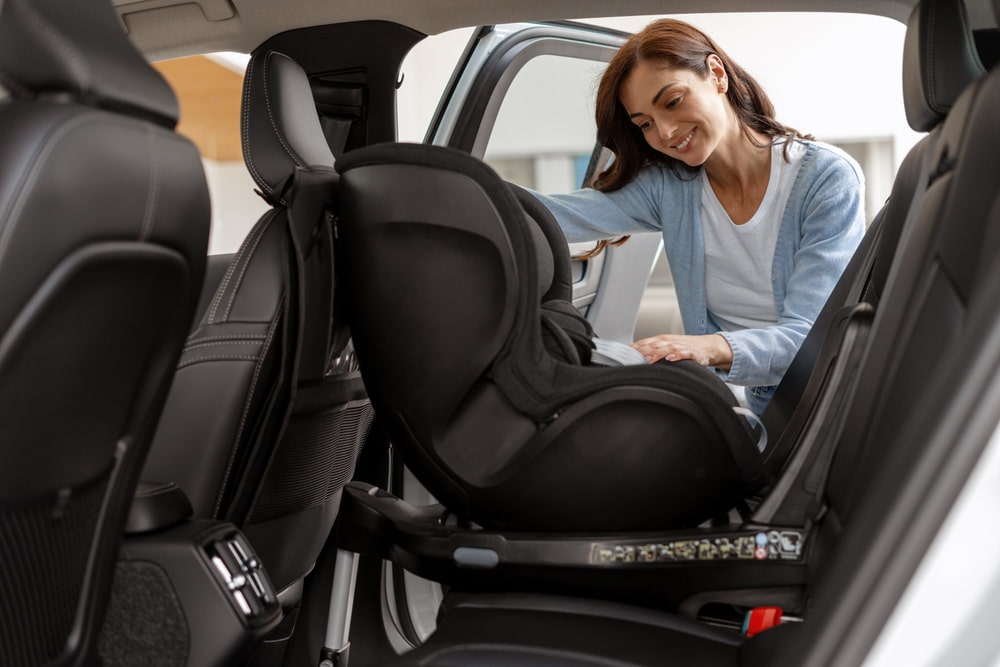
You’re standing in the car seat aisle at Target. Your kid is 6, maybe pushing 7. The box says one thing, your mother-in-law says another, and you vaguely remember the rules changed at some point. Sound familiar?
California’s booster seat law isn’t complicated once you cut through the noise. Here’s what actually matters.
핵심 요약
- Children under 8 must use a car seat or booster in the rear seat unless they’re already 4’9″ tall. That’s California Vehicle Code Section 27360.
- Both age AND height thresholds apply. A tall 6-year-old still needs a booster. A short 9-year-old might need one too for safety reasons, even if legally exempt.
- First violation costs $100 base, but actual fines run $150 to $500+ after court fees. You also get a point on your license.
- Big changes coming January 2027. A new “five-step fit test” will determine compliance for kids 10-15, not just age and height.
Current Requirements at a Glance
| Age | Requirement | Notes |
| Under 2 | Rear-facing car seat | Unless 40+ lbs or 40+ inches tall |
| 2-7 years | Car seat or booster in rear seat | Forward-facing allowed per manufacturer specs |
| 8+ years OR 4’9″+ tall | Can use regular seat belt | Must meet BOTH thresholds to graduate |
| 8-15 years | Seat belt required | Parent in car assumes responsibility over driver |
The part most people miss: your child needs to meet both the age AND the height requirements. A 7-year-old who’s 4’10” can legally use just a seat belt. But an 8-year-old who’s 4’6″? Technically, they can too, since they meet the age threshold. However, the American Academy of Pediatrics says most kids don’t actually fit seat belts properly until ages 10-12.
Legal minimum and actual safety aren’t always the same thing.
What Happens If You Get Cited?
The base fine is $100 for a first offense, $250+ for subsequent violations. But that’s misleading. Courts tack on fees and assessments that push actual costs to $150-$500, depending on your county.
Even worse, the conviction adds one point to your DMV record, which can raise your insurance rates for years. And if you accumulate four points within 12 months, the DMV can suspend your license.
Here’s something people don’t realize: if you ignore the citation entirely, you’ve committed a separate misdemeanor under Vehicle Code 40508. That carries a penalty of up to six months in jail and $1,000 in fines. Don’t skip your court date.
Who’s Actually Responsible?
This trips people up, especially grandparents and carpoolers.
For kids under 8, the driver is responsible. Period. Doesn’t matter if you’re driving your neighbor’s kid to soccer practice. If the child isn’t properly restrained, you get the ticket.
For kids 8-15, there’s a wrinkle. If the child’s parent or guardian is riding as a passenger, they bear responsibility instead of the driver. If no parent is present, it falls back to the driver.
The 2027 Changes You Should Know About
Assembly Bill 435 takes effect January 1, 2027, and it changes the game for older kids.
The new law introduces a “five-step fit test” for children ages 10-15. Instead of just checking age and height, officers will evaluate whether the seat belt actually fits correctly. All five criteria must be met:
- The child sits all the way back against the seat
- Knees naturally bend over the edge of the seat.
- Shoulder belt rests across the chest and shoulder, not the neck
- Lap belt sits low on the hips, touching the thighs
- The child can stay in this correct position for the entire trip
Fail even one step? Booster seat required, regardless of age.
The law also bumps up restrictions. Kids under 13 generally can’t ride in the front seat. Kids 10-13 must stay in the rear in a child restraint unless they pass the fit test.
High-Back vs. Backless: Does It Matter?
Yes. More than most parents realize.
Research from the Children’s Hospital of Philadelphia found that high-back boosters reduce injury risk by 70% in side-impact crashes compared to seat belts alone. Backless boosters? No statistically significant protection in side impacts.
Backless seats are lighter, cheaper ($50-$150 vs. $200-$300), and easier to move between cars. Kids often prefer them because they’re less visible. But if safety is the priority, high-back wins.
At a minimum, if you’re using a backless booster, make sure your vehicle has headrests that reach at least to your child’s ear height.
Common Defenses If You’re Fighting a Citation
Getting cited doesn’t always mean you’re stuck paying. Valid defenses include:
- Your child actually met requirements. Sometimes officers misjudge height or don’t see the booster properly installed.
- Medical exemption. Courts can grant exemptions for children who can’t safely use standard restraints due to physical conditions.
- Emergency situation. Immediate threats to safety can justify transport without proper restraint.
- Parent was present. For 8 to 15-year-olds, if the parent was a passenger, the driver may not be liable.
You can also request a trial by written declaration. If the officer doesn’t respond in writing, the citation may be dismissed.
The Bottom Line
캘리포니아 주 법 says kids under 8 (or under 4’9″) need boosters in the back seat. That’s the legal floor.
But NHTSA data shows booster seats reduce injury risk by 45% for kids 4-8 compared to seat belts alone. The AAP recommends boosters until kids are 10-12 and fit seat belts properly.
The safest approach? Keep using a booster until your child passes the five-step fit test, regardless of what the current law requires. In 2027, that’ll be the legal standard anyway.
Don’t navigate this alone. Contact DK Law for a free case review.
If you’ve received a booster seat citation in California and need help understanding your options, DK Law offers free consultations to discuss your specific situation.
DK All the way


사고 직후부터 보상까지 all the way 함께
무료 상담 예약하기
교통사고 전문 변호사와 한국어 상담이 가능합니다. 무료 상담
DK Law에서 함께 합니다.
DK all the way
지금 바로 교통사고 전문 변호사와 무료 상담을 받아 보세요!