Do You Have to Pay Medicare Back After a Personal Injury Settlement?
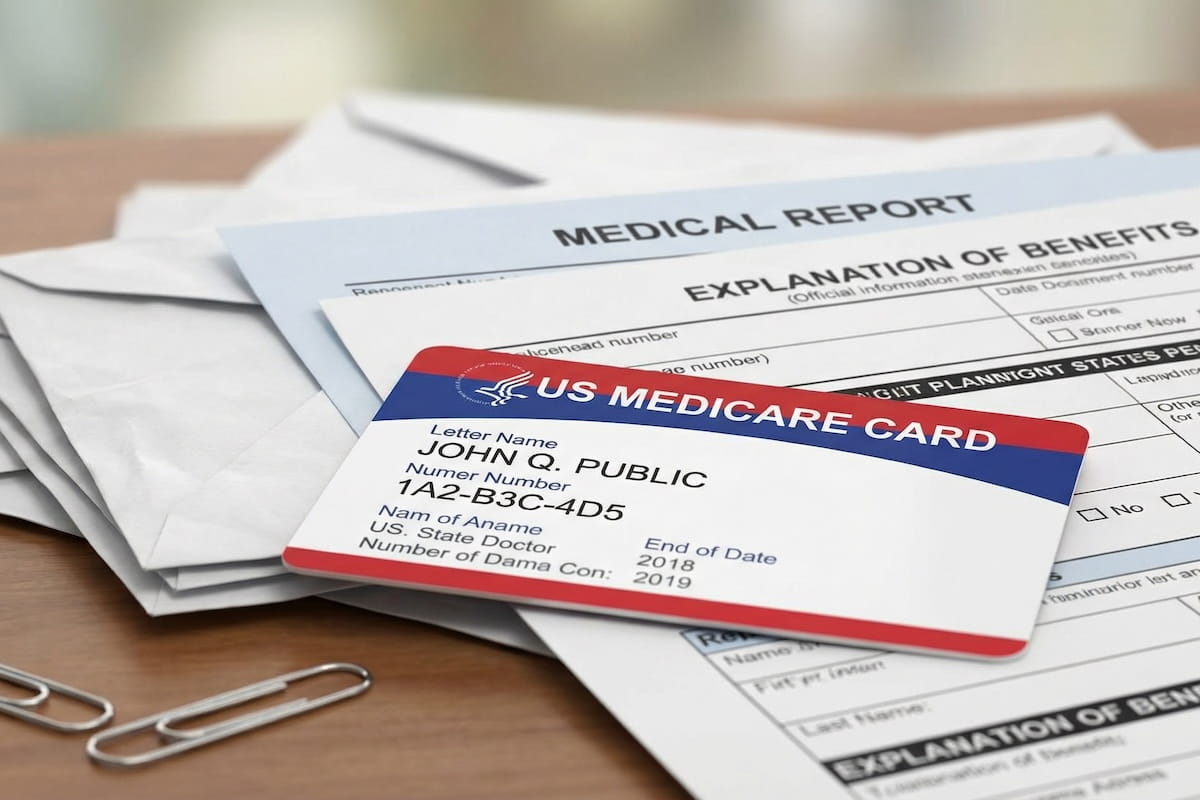
You got a settlement offer. Maybe you feel relieved — maybe you’re already mentally paying off medical bills, catching up on rent, finally able to breathe again.
Then someone mentions that Medicare wants a portion of it. Do you actually have to pay them?
Yes. If Medicare covered any of your accident-related treatment, federal law requires you to reimburse them from your settlement proceeds. That obligation comes from 42 U.S.C. §1395y. But Medicare doesn’t take everything — not even close. And a good attorney can often negotiate that amount down significantly.
Key Takeaways
Priority
Medicare must be repaid from your personal injury settlement — this is a federal requirement, not optional. But the amount is negotiable, and attorneys routinely reduce these liens by 25% to 40%.
부당 사망 클레임을 제기할 수 있는 “procurement cost ratio” is your biggest advantage. Federal law requires Medicare to reduce its lien proportionally to account for your attorney fees and legal costs.
→ On a $100K settlement with $33K in fees, a $30K lien drops to ~$18,500
California residents with both Medicare and Medi-Cal face two separate liens — federal and state recovery programs running simultaneously, each with different rules and timelines.
→ Dual-eligible recipients: this is the complication no one warns you about
Hardship waivers exist but are rarely granted in full. Medicare will consider reducing or waiving the lien if repayment would deprive you of necessary living expenses — but full waivers happen in roughly 1% of cases.
Why Does Medicare Want Money From Your Settlement?
Medicare operates as a “secondary payer.” Meaning if someone else caused your injury, their insurance should be the one paying for your treatment. When Medicare steps in and covers your medical bills after an accident, those payments are considered conditional. They paid because you needed care right now, but they expect to be reimbursed once you recover money from the at-fault party.
The agency that handles this is called the Benefits Coordination & Recovery Center, or BCRC. They process over 300,000 cases annually, recovering hundreds of millions for the Medicare Trust Fund. So yeah. They’re organized, they’re persistent, and they don’t forget.
One thing worth knowing: settlements of $750 or less don’t need to be reported to Medicare at all. If your case is small enough, this entire process might not apply to you.
How Much Will Medicare Take From Your Settlement?
Medicare can only recover what it actually paid for accident-related treatment. Not your total medical history. Not your prescriptions for unrelated conditions. Just the treatments tied to your injury. And they have to reduce that amount further.
Here’s where the procurement cost ratio under 42 CFR §411.37 comes in. Federal law says Medicare must account for the cost you incurred getting the settlement in the first place, which means your attorney fees and litigation expenses get subtracted proportionally from what Medicare demands.
A real example makes this clearer. Say you settle for $100,000. Your attorney takes a standard one-third fee, which is $33,333, plus another $5,000 in costs. That’s 38.3% of the settlement going toward procurement. Medicare had a $30,000 lien. They reduce it by that same 38.3%, bringing their demand down to roughly $18,510.
You don’t pocket $100K. But you also don’t lose $30K to Medicare. The reduction is automatic under federal law, and experienced attorneys push for even deeper cuts through direct negotiation with the BCRC.
What Happens If You Ignore Medicare’s Lien?
Settlements must be reported to Medicare within 60 days.
If the final demand goes unpaid, Medicare can transfer the debt to the Department of the Treasury and garnish your future Social Security benefits. In extreme cases, they can pursue a civil penalty of double the original amount owed. The statute of limitations on Medicare recovery is three years from notification of settlement, so this doesn’t just go away if you wait long enough.
Your attorney typically handles all of this. Reporting, negotiation, and payment. That’s one of the biggest reasons to have representation on Medicare lien cases specifically.
How Long Does the Medicare Repayment Process Take?
부당 사망 클레임을 제기할 수 있는 timeline for a personal injury in general isn’t fast, but it’s predictable. After your settlement is reported, Medicare typically takes three to six months to issue a final demand letter. You then get 60 days to pay before interest starts accruing.
The general sequence looks like this:
- Accident and treatment: Medicare pays your bills as conditional payments
- Settlement reached: Your attorney reports it to the BCRC within 60 days
- Conditional payment letter: Medicare sends an itemized list of what they paid
- Negotiation: Your attorney disputes unrelated charges and applies the procurement cost reduction
- Final demand: Medicare issues the reduced amount
- Payment from settlement funds: Your attorney pays the lien from funds held in trust
The waiting is frustrating. But rushing this process or trying to handle it yourself usually results in paying more than you should.
What If You Have Both Medicare and Medi-Cal?
In California, plenty of people qualify for both Medicare (federal) and Medi-Cal (state). If you’re dual-eligible and you settle a personal injury case, both programs may have liens against your settlement. Two separate agencies. Two separate sets of rules.
California’s DHCS Personal Injury Program seeks reimbursement for any Medi-Cal payments related to your injury, and federal law under 42 U.S.C. §1396a requires the state to pursue that recovery. The Medi-Cal lien operates under Welfare and Institutions Code Sections 14124.72, 14124.76, and 14124.78, which allow for a reduction similar to Medicare’s procurement cost formula.
One key difference: Medi-Cal can only recover for treatment up to the date of settlement. There’s no provision for future medical costs, the way Medicare sometimes requires through Set-Aside arrangements.
If your settlement is large enough, you also need to worry about Medi-Cal eligibility going forward. Starting January 2026, California’s asset limit for long-term care Medi-Cal returns to $130,000 for individuals. A big settlement could push you over that threshold and cost you your benefits entirely. That’s where special needs trusts come in, and it’s another reason dual-eligible recipients need an attorney who understands both systems working simultaneously.
Receiving a Medi-Cal lien amount can take up to 120 days, which often runs parallel to the Medicare timeline. Your attorney needs to coordinate both resolutions at once.
Can You Get a Hardship Waiver?
Medicare does allow hardship waivers, but let’s set realistic expectations. The BCRC reviews waiver requests using the SSA-632 form, evaluating whether repayment would deprive you of necessary living expenses. They look at your income, out-of-pocket medical expenses, and any outstanding medical bills.
Full waivers are rare. One MSPRC representative estimated that roughly 1% of hardship requests result in a complete waiver. Partial reductions happen more often, but the standard requires showing truly extraordinary circumstances. The process takes about 120 days from submission to decision.
It’s worth pursuing if you genuinely can’t afford repayment. But most people get better results through aggressive procurement cost negotiation and direct lien reduction with the BCRC.
Talk to a California Personal Injury Attorney
Medicare liens are one of those areas where the gap between handling it yourself and having an attorney can mean thousands of dollars. The procurement cost reduction alone justifies legal representation in most cases, and the dual-lien complexity for Medicare/Medi-Cal recipients makes it nearly impossible to navigate without help.
If you’ve received a settlement offer and you’re worried about what Medicare will take, contact DK Law for a free consultation. We’ll review your lien demand, calculate the procurement cost reduction, and tell you what you’ll actually take home.
DK All the way


사고 직후부터 보상까지 all the way 함께
무료 상담 예약하기
교통사고 전문 변호사와 한국어 상담이 가능합니다. 무료 상담
DK Law에서 함께 합니다.
DK all the way
지금 바로 교통사고 전문 변호사와 무료 상담을 받아 보세요!