


How to Handle Medical Bills After a Car Accident in California
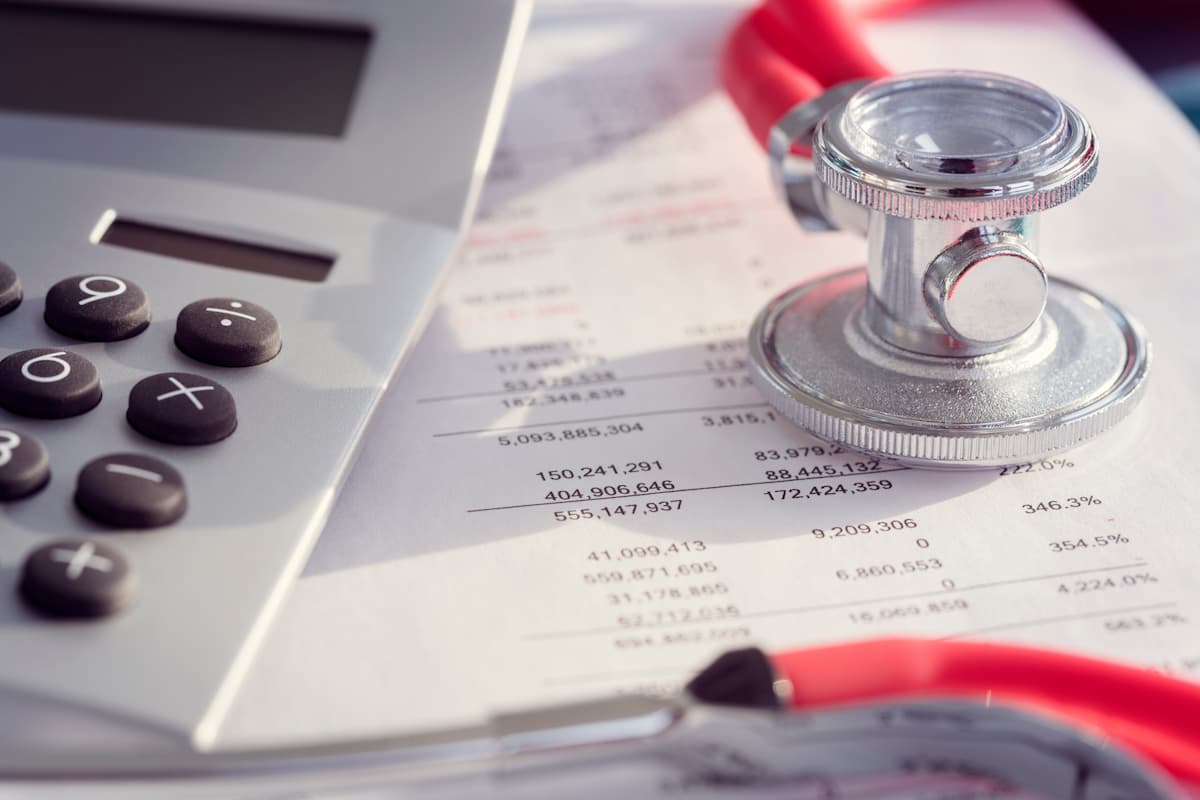
You’re hurt. You’re healing. And then the envelopes start arriving.
ER bills, ambulance fees, physical therapy invoices – it adds up fast. And if you’re like most people, you’re probably thinking:
“Wait… who’s actually supposed to pay for all of this?”
The truth is, in California, there’s more than one way to get your medical bills covered after a crash—but the timing, paperwork, and insurance rules can get complicated. If you’re not careful, you could end up paying out of pocket for costs you should never have had to cover.
Let’s break it down, plain and simple.
Step 1: Use Your Health Insurance (Even If It Feels Weird)

Yes, you can absolutely use your regular health insurance after a car crash.
It might feel counterintuitive—shouldn’t the other driver’s insurance pay first? Eventually, they might. But your health insurance can help cover upfront costs right away, so you’re not buried in overdue bills.
Here’s how it works in California:
- You give your insurance information to the hospital or doctor, just like you would for any other medical treatment.
- Your insurer pays according to your plan’s terms, but they may later seek reimbursement from the at-fault driver’s insurance through a process called subrogation.
- You still need to tell your providers it was an auto accident so billing codes are correct—this can affect how claims are processed and ensure medical records are tied to your injury claim.
Pro Tip
Keep an eye out for “coordination of benefits” forms from your insurer. These help clarify who should ultimately pay, and filling them out promptly can keep your claims from being delayed.
Step 2: Check for MedPay on Your Auto Policy
Many California drivers don’t realize their own auto policy might have Medical Payments Coverage (MedPay).
MedPay is optional in California but extremely useful. Here’s why:
- It covers you and your passengers, no matter who was at fault—even if you were the one who caused the crash.
- No deductible 还有 no waiting on fault determination.
- It can cover:
- ER and hospital visits
- Ambulance fees
- X-rays and diagnostic tests
- Physical therapy
- Copays and deductibles left over from health insurance
- Funeral costs (in fatal accidents)
Example: If you have $5,000 in MedPay coverage and your ER bill is $4,500, MedPay can pay that directly, preventing the bill from going to collections while your claim is pending.
If you’re not sure whether you have MedPay, check your declarations page or call your insurance agent. It’s worth knowing before you need it.
Step 3: The At-Fault Driver’s Insurance Should Reimburse You

Under California law, the driver who caused your crash is responsible for your medical expenses, future treatment needs, and other damages.
Their liability insurance is supposed to pay these costs, but here’s the reality:
- They rarely pay bills as they come in.
- You typically have to finish treatment before a settlement can be reached, so your full costs are known.
- It may take months or even years to see reimbursement, especially if the case goes to court.
Why having a lawyer matters: Insurance companies often make lowball offers, hoping you’ll settle quickly. An experienced injury attorney can gather medical documentation, negotiate aggressively, and push for full compensation, including anticipated future care.
What If You Don’t Have Insurance?
No health insurance? No MedPay? You still have options.
In California, many medical providers will treat injury victims under a lien agreement. This means:
- The provider agrees to postpone payment until your case is resolved.
- They are paid directly from your settlement or verdict.
- You don’t face aggressive collection calls while you recover.
At DK Law, we regularly work with doctors, specialists, and therapists who understand personal injury cases. They know how to document injuries for legal purposes and won’t pressure you for payment before your case is done.
The Paper Trail Matters
From day one, start keeping a complete record of every expense and detail related to your injury. You’ll want to save:
- Hospital and doctor bills
- Pharmacy receipts
- Medical equipment costs (e.g., crutches, braces)
- Mileage to and from medical appointments
- Parking fees for medical visits
- Copies of medical reports and test results
Why it matters: Insurance companies often challenge or overlook certain costs. A complete paper trail makes it much easier to prove your damages and recover every dollar you’re owed.
Final Thoughts
Your recovery shouldn’t come with a stack of unpaid bills and unnecessary stress.
At DK Law, we help clients find short-term solutions to keep treatment going and long-term compensation to move forward. From coordinating with providers to fighting for every dollar in negotiations, we make sure you can focus on healing. If you’re staring at a growing pile of paperwork and don’t know where to start, let our experienced personal injury lawyers sort it out together.
DK 一路走来


从您的案件到赔偿,我们全程为您服务。
安排免费咨询
在专家法律咨询处获得专业法律建议 零成本。.
在DK Law,我们与您同在—— 全程都在。.
立即与我们的专家免费咨询!

事故发生后时间很重要
事故发生后越早与律师联系,你的索赔就越有胜算。及早行动有助于保全证据并维护你的权益。.
无需支付费用即可获得法律援助 | 24×7全天候服务