골절 및 뼈 손상
골절은 다양한 유형의 사고에서 흔히 발생하는 부상 중 하나로 극심한 통증과 전문적인 의료 처치를 동반하며 장기적인 회복 과정을 필요로 합니다.
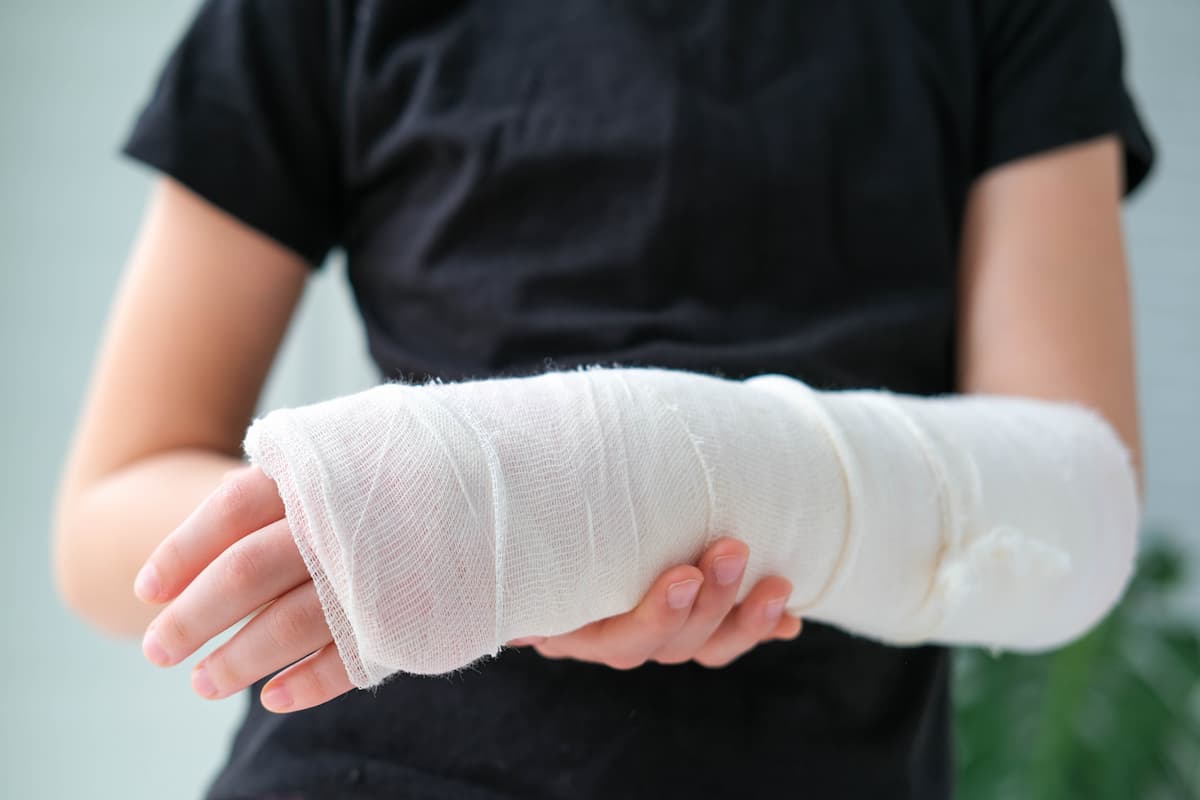
Fractures, commonly known as broken bones, are among the most frequent injuries from slips and falls, 자동차 사고, and workplace incidents. While many people may have experienced a minor fracture in their lifetime, fractures caused by someone else’s negligence are often more serious — sometimes affecting multiple areas of the body at once.
If you’ve suffered a fracture in an accident, acting promptly is critical. At DK Law, we help accident victims pursue the financial compensation they deserve. Our experienced team guides you through every step of the personal injury process and fights on your behalf to ensure your losses are fully recognized and fairly compensated.
What Is a Fracture?
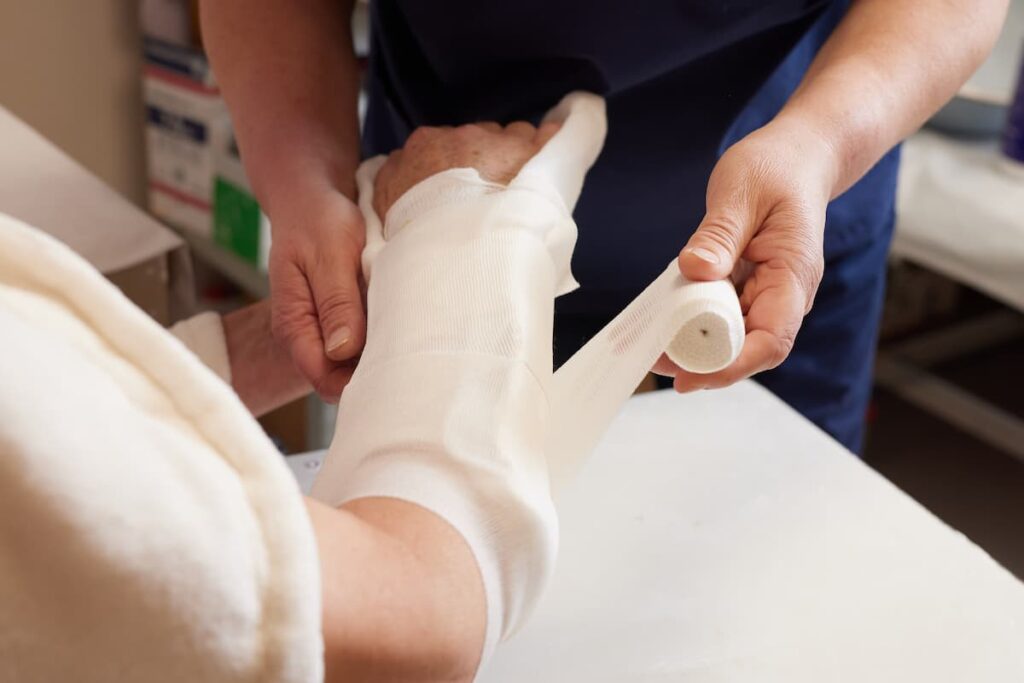
A fracture is a break or crack in a bone. Fractures can range from minor hairline cracks to severe breaks that require surgery. Understanding the type of fracture you have can help medical professionals determine the most effective treatment and also play a role in personal injury claims.
Types of Bone Fractures
There are several different types of fractures, each with its own characteristics and treatment considerations.
- Closed (Simple) Fracture: The bone breaks but does not pierce the skin.
- Open (Compound) Fracture: The broken bone punctures the skin, increasing the risk of infection.
- Greenstick Fracture: The bone bends and cracks instead of breaking completely, often seen in children.
- Hairline (Stress) Fracture: A small crack in the bone caused by repetitive stress or minor trauma.
- Complicated Fracture: The fracture damages nearby tissues, nerves, or blood vessels.
- Comminuted Fracture: The bone breaks into multiple pieces, often requiring surgery.
- Avulsion Fracture: A fragment of bone pulls away from the main bone, usually where a tendon or ligament attaches.
- Compression Fracture: The bone is crushed or flattened, common in the spine.
Causes of Broken Bones
Bone fractures can occur in a variety of ways. Some of the most common causes include:
- Motor Vehicle Accidents: High-impact collisions, such as car accidents and motorcycle accidents, can cause fractures in multiple parts of the body, from arms and legs to the spine and ribs.
- Sports Injuries: Contact sports or high-impact activities can lead to broken bones, especially in the arms, legs, and collarbone.
- Falls: Slips, trips, and falls — particularly from heights or on hard surfaces — are a leading cause of fractures, especially among older adults.
Important
The most commonly fractured bones are the wrist, ankle, and hip, though fractures can occur in any part of the body depending on the type of accident or impact.
자세히 보기
Risk Factors
Certain conditions and behaviors can increase the likelihood of fractures:
- Osteoporosis: Weakened bones are more susceptible to breaks, even from minor falls.
- Female Sex: Women, particularly post-menopausal, have a higher risk of osteoporosis-related fractures.
- Repetitive Motion / Overuse: Athletes or individuals performing repeated physical activities may develop stress fractures over time.
Understanding the causes and risk factors of fractures can help you take preventive steps and also informs how liability and damages may be assessed in personal injury cases.
골절 증상 사례
Fractures can vary in severity, and recognizing the symptoms early is critical for proper treatment and recovery.
Signs that a bone may be broken include:
- Severe pain at the injury site
- Swelling, bruising, or tenderness
- Deformity or unnatural angle of the limb
- Inability to move the affected body part
- A popping or grinding sensation at the time of injury
- Numbness or tingling (in some complicated fractures)
If you experience any of these symptoms after an accident, seek immediate medical attention.
If fractures are not treated properly, they can lead to significant complications, including infection, nerve damage, and even arthritis. Without the right diagnosis and treatment, victims of fractures may suffer unnecessary complications and lose out on fair compensation. The lawyers at DK Law strive to ensure that our clients receive the medical care they need and the compensation they deserve.
How Fractures Are Diagnosed
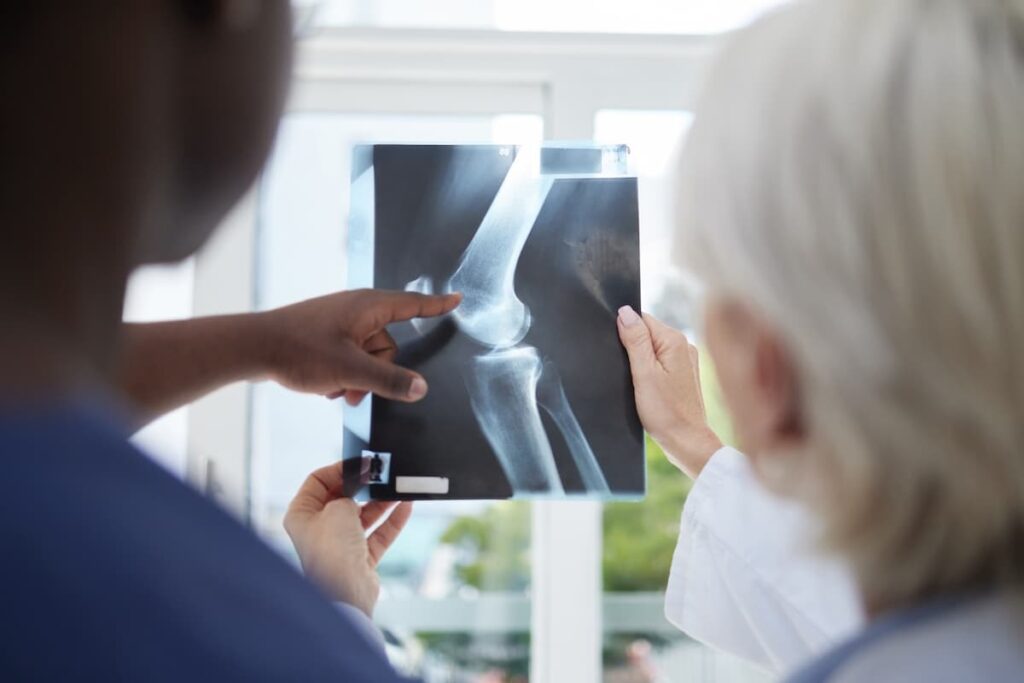
Proper diagnosis is essential to ensure a fracture heals correctly and to document the injury for medical and legal purposes. Doctors use several imaging techniques to evaluate broken bones:
X-ray
The most common diagnostic tool, X-rays provide clear images of most bone fractures. They can show the type, location, and severity of the break and are often the first step in assessing a fracture.
MRI (Magnetic Resonance Imaging)
MRIs are used when soft tissue damage — such as ligaments, tendons, or cartilage — may accompany the fracture. MRIs offer a detailed view of both bones and surrounding tissues, which helps guide treatment and document the full extent of an injury.
자세히 보기
CT Scan (Computed Tomography)
CT scans provide detailed cross-sectional images of bones and are particularly helpful for complex fractures, including those involving joints or multiple bone fragments. They allow doctors to plan surgical procedures accurately.
Bone Scan
A bone scan is often used when fractures are difficult to detect, such as stress fractures or fractures hidden in complex areas. It can also reveal bone abnormalities or injuries that are not visible on X-rays or CT scans.
Treating a Bone Fracture
The treatment for a broken bone varies depending on the severity of the fracture and the body part where it’s located. In some cases, a splint or cast may be used to promote healing and support the affected area.
In other cases, surgery is required. Recovery can take several weeks to several months. The primary goal of treatment is to reposition the bone fragments so that the bone can heal.
- Casting or Splinting: Immobilizes the bone to allow proper healing, common for closed fractures.
- Traction: Gently pulls bones into place, often used for spine or leg fractures.
- Surgery: Necessary for severe or complicated fractures, including comminuted or open fractures, often using pins, screws, or plates to stabilize the bone.
- Physical Therapy: Helps restore strength, flexibility, and range of motion after healing.
Prompt treatment reduces the risk of complications, speeds recovery, and is often necessary for maximizing compensation in personal injury claims.
Recovery Timeline
Healing time varies depending on the fracture type, age, and overall health:
- Minor fractures (like hairline fractures): 4–6 weeks
- Moderate fractures (closed/simple fractures): 6–12 weeks
- Severe fractures (open, comminuted, or complicated fractures): Several months or longer, often requiring rehabilitation
Even after the bone heals, some patients may experience lingering stiffness, pain, or reduced mobility, which may impact their quality of life and ability to work.
Legal Considerations After a Broken Bone
If you suffer a broken bone due to someone else’s negligence, it’s natural to feel frustrated — and trying to navigate an insurance claim on your own can feel overwhelming. Insurance companies are often more interested in minimizing payouts than helping you recover.
Hiring a personal injury attorney can make a critical difference. At DK Law, we guide you through the process and fight for the compensation you need to heal.
How DK Law Supports You
1. Evaluating Your Case
We review the circumstances of your accident and determine who may be liable, helping you understand your legal options.
2. Gathering Evidence
Medical records, accident reports, witness statements, and photographs are crucial for proving your claim. We ensure all evidence is properly collected and documented.
3. Dealing With Insurance Companies
Insurance adjusters often undervalue injuries, especially fractures that involve long-term care. We advocate on your behalf to secure the compensation you deserve.
4. Filing Your Claim or Lawsuit
Whether through negotiation or litigation, we fight to recover medical bills, lost income, pain and suffering, and other damages caused by the accident.
Frequently Asked Questions (FAQs)
How long does a broken bone take to heal?
Healing time depends on the type and severity of the fracture, as well as the patient’s age and overall health. On average, minor fractures may heal in 4 to 6 weeks, while more serious fractures can take 6 months or longer.
What should I do immediately after breaking a bone?
Seek emergency medical attention right away. Avoid moving the injured area, apply ice if possible, and do not attempt to “reset” the bone yourself. Once you receive treatment, keep all medical records and bills—they can be crucial for a personal injury claim.
Can I claim compensation for a fracture injury?
Yes, if your fracture was caused by another party’s negligence (such as a car accident, unsafe property, or workplace hazard), you may be entitled to compensation. This can cover medical expenses, lost wages, pain and suffering, and rehabilitation costs.
자세히 보기
What if I already had a condition like osteoporosis?
Even if you had a pre-existing condition that made you more vulnerable to fractures, you may still have a valid claim. California law allows injured individuals to recover damages even if they were more susceptible to harm, under the “eggshell skull rule.”
How do doctors know if a bone is fully healed?
Doctors use follow-up X-rays, CT scans, or MRIs to confirm the healing process. They also assess pain levels, mobility, and strength before clearing patients to resume normal activity.
How DK Law Can Help After a Fracture Injury
Suffering a fracture in an accident can be overwhelming — not just physically, but financially and emotionally. At DK Law, we guide clients through every step of the personal injury process to help them get the compensation they deserve.
신뢰할 수 있는 입증된 성과
With decades of experience and over $500 million recovered for injured clients, our team knows how to build strong cases and hold negligent parties accountable.
Aggressive Advocacy
We don’t stop at covering hospital bills. Our fracture injury lawyers fight for all damages you’ve suffered, including future medical care, lost income, emotional distress, and pain and suffering.
광범위한 네트워크
We connect clients with the best medical providers in the area, including physicians, chiropractors, physical therapists, radiologists, orthopedic surgeons, pain management specialists, neurologists, and other healthcare professionals.
Contact DK Law today for a free consultation and learn how we can help you move forward after a fracture injury.
Additional Resources
Bone Health & Osteoporosis Foundation – Resources on bone health, osteoporosis prevention, and fracture risk.
American Academy of Orthopaedic Surgeons (AAOS) – Information on bone health, fracture types, and rehabilitation.
DK All the way


사고 직후부터 보상까지 all the way 함께
무료 상담 예약하기
교통사고 전문 변호사와 한국어 상담이 가능합니다. 무료 상담
DK Law에서 함께 합니다.
DK all the way
지금 바로 교통사고 전문 변호사와 무료 상담을 받아 보세요!