


Uber Lost, Lawyers Lost. Did Californians Lose the Most? SB 623
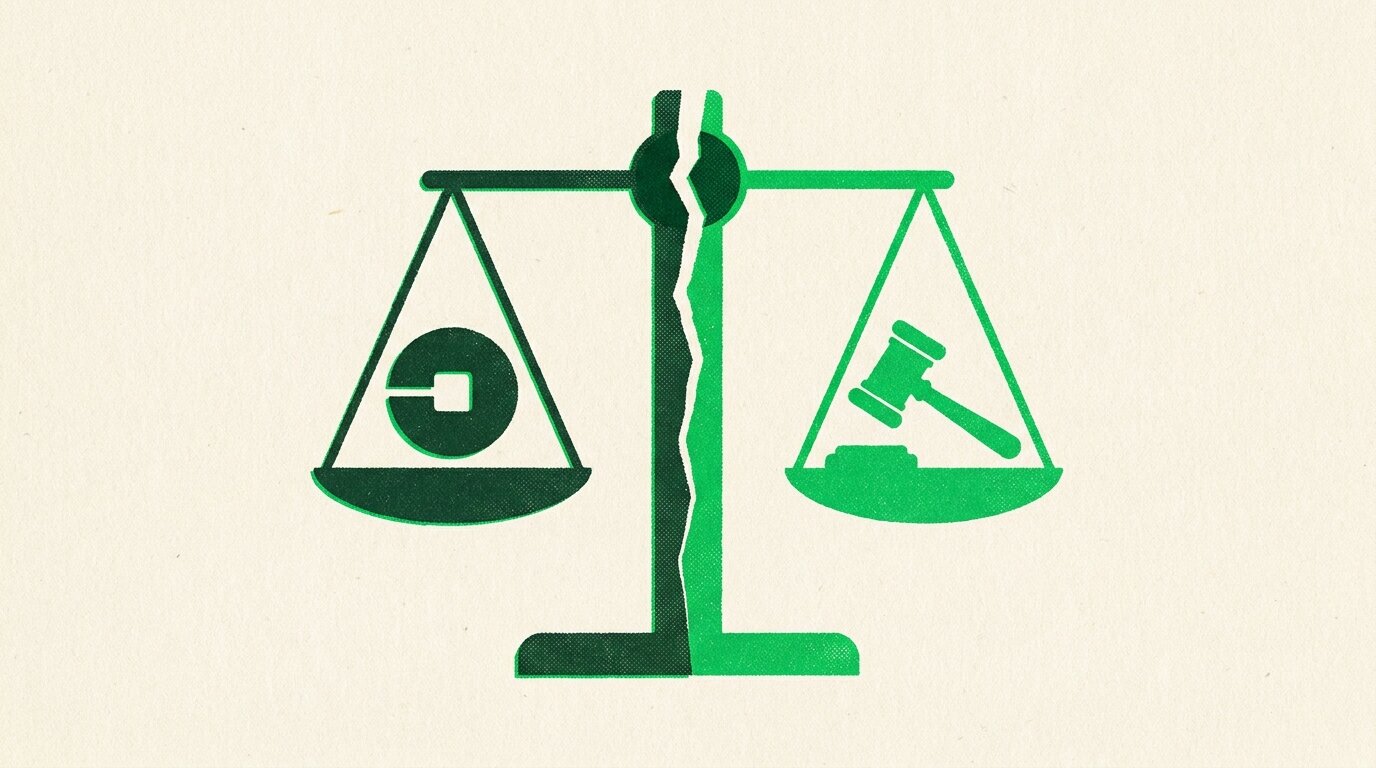
For two years, Uber told California voters a simple story – one the trial bar strongly disputed: personal injury lawyers were inflating medical bills and pocketing the difference, and a ballot measure capping attorney fees at 25% would fix it.
The company spent roughly $78 million making that case. The state’s trial lawyers spent roughly $77 million saying the opposite. Then, on June 25, both sides walked away from the November ballot and let Governor Newsom sign a compromise instead.
The Fee Cap Is Gone – Here Is What Replaced It
That compromise is SB 623, and here is the first thing worth knowing: the 25% fee cap Uber campaigned on is gone. It is not in the law. If someone told you this deal caps what your lawyer can charge, that is the old ballot measure talking, not the statute Newsom actually signed.
Here is the point. SB 623 does two genuinely good things for injured Californians, trades away a third, and quietly gambles on a fourth. The two forces who negotiated the deal both had reasons to stay quiet about the gamble, so it is the part getting almost no attention. It deserves the most.
Starting with the good. When you get hurt and cannot afford surgery, a doctor may treat you on a “lien,” meaning they wait to get paid until your case settles. In recent years, specialty finance companies, many backed by private equity and hedge funds, started buying those liens from doctors at a discount, then collecting the full billed amount out of the victim’s settlement. Trial lawyers argue this creates an incentive to inflate the bills.
As Consumer Attorneys of California president Douglas Saeltzer put it at a hearing, it is allegedly “money flowing to Wall Street investors, not patients.” The finance companies counter that their capital allows doctors to treat patients who would otherwise go without care – the same access-to-care argument that runs counter to the cap itself, as the quiet gamble section below explains.
SB 623 caps what those buyers can collect on the amount they actually paid for the lien, and it bans attorneys from referring clients to medical providers in which they hold an undisclosed financial interest.
Both changes are intended to direct more settlement money to injured clients rather than third-party financial intermediaries.
We have written before about how outside money has crept into personal injury practice, and why California moved to restrict non-lawyer ownership of firms under Business and Professions Code section 6156. SB 623 is the same fight on the medical side. On this, Uber had a point, and the reforms are worth defending.
The Protection Assault Survivors Did Not Get
Now the part of the deal that received less attention from the trial bar. Their own countermeasure would have classified Uber and Lyft as common carriers, the highest duty of care the law recognizes, and made the companies liable for damages when a passenger is sexually assaulted during a ride. That liability expansion did not make it into SB 623. In its place, the deal gives us tougher annual driver background checks and an expanded list of disqualifying crimes.
Background checks are worth having. But a background check is prevention, not accountability, and it does nothing for a survivor after the fact. The bargaining chip that would have helped assault victims recover was spent. The common carrier liability classification did not make it into the final statute, leaving Uber’s existing liability framework in place.
The Quiet Gamble Nobody Is Talking About
Then there is the quiet gamble, and it is the one to watch. To cap the lien buyers, SB 623 also caps what the treating doctor can recover, limiting it to the 70th percentile of a national billing database.
Picture two crash victims. The first has health insurance and a solid case: under the old system, a finance company collected tens of thousands above what it paid for the lien. Under SB 623, that overage is gone, and she keeps more. She won.
The second victim is uninsured. He needs spinal surgery now, months before any settlement exists, and no surgeon will see him without a lien. If the law squeezes what that surgeon can ultimately collect, some surgeons will stop taking lien patients. For him, the risk is not a smaller recovery. It is no surgery at all.
Same law. One victim keeps more money. The other may lose access to care entirely. That is a defensible trade only if you never have to be the second person.
This is not a fear we invented. When the nonpartisan Legislative Analyst’s Office reviewed Uber’s original, harsher measure, it warned that reduced recoveries would push injured people onto Medi-Cal, shifting costs to taxpayers by tens of millions of dollars a year.
Stanford law professor Nora Freeman Engstrom, who opposed Uber’s fee cap as the equivalent of a price control, has spent years documenting how the injured poor rely on lien-based care to get treated at all. SB 623’s cap is gentler than the ballot measure’s would have been. The mechanism, and the population at risk, are the same.
The honest read is that SB 623 is a real win against the practice of buying and inflating medical liens, a quiet loss for assault survivors, and an unexamined gamble on access to care, decided by two sides who were each protecting a business model. Uber wanted lower payouts. The trial bar wanted the lien financing practices eliminated. Neither had a reason to ask what happens to the uninsured man who needs surgery in 2027, when the law takes effect for rideshare crashes.
What This Means If You Are Hurt in a Rideshare Crash
If you are hurt in a rideshare crash next year, the rules will have changed, and not all of them in your favor. The finance middleman is mostly out of your settlement. Whether you can still find a doctor to treat you on a lien is the question to ask early, before you need the answer.
The injured rider was the one party without a seat at the table – and that is the one thing the $155 million fight never settled.
귀하의 사건의 가치는 어떻게 될 수 있나요?
2분 이내에 빠른 견적을 받아보세요
내게 필요한 정보 찾기
가까운 지점 정보, 교통사고 대처 상식, 상해 종류 별 정보 등 교통사고 관련 모든 정보를 한 곳에 모았습니다.
내 주변 지점 찾기
가까운 DK Law 지점을 찾아보세요.

DK Law 전문 분야 찾기
교통사고부터 사망사고까지, DK Law의 주요 전문 분야를 확인해보세요.

DK Law에서 함께 합니다.
DK all the way
지금 바로 교통사고 전문 변호사와 무료 상담을 받아 보세요!

교통사고 보상, 시간이 관건입니다!
사고 후 대처가 빠를수록, 교통사고 보상 더 잘 받을 수 있습니다. 사고의 초기 대응이 증거 보존 및 피해자 권리 보호에 큰 도움이 됩니다.
승소하지 않으면 변호사 선임료 $0 | 24시간 상담 가능