At-Fault vs. No-Fault: What to Know if You Are in a Car Accident in California
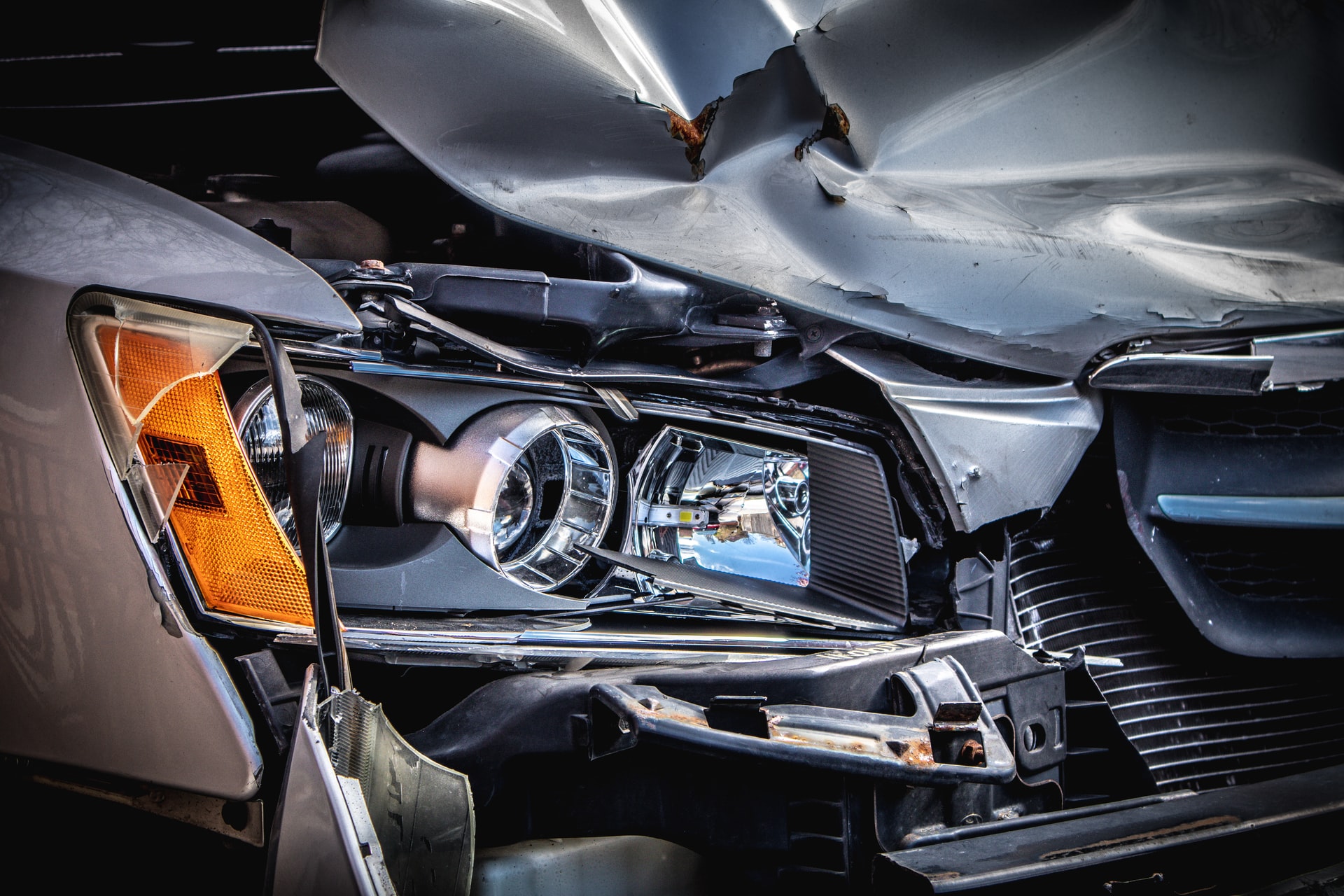
Familiarizing yourself with state car accident laws will help if you should get injured in a collision and plan to file a claim for a car accident in California. Additionally, you need to know the difference between at-fault and no-fault laws to understand who is responsible for paying for your injuries and losses. Learn more by reading below.
Determining Who Is At Fault
When there is a car accident in California, there will be different legal repercussions for those who are at fault for causing the crash versus those who were not at fault. The at-fault party is the one who caused the accident. They file an insurance claim and must cover the injuries of the other driver and passengers. These expenses include:
- 의료비
- 기대 수입의 손해
- 신체적, 정신적 고통
- 정서적 피해
- Loss of consortium or compensation
Additionally, the party who is not at fault can claim compensation from the at-fault party if they sustain a car accident injury and/or suffer losses (property damage, lost wages, etc.).
To clarify these details, a 사고 전문 변호사와 can assist you in filing a claim and explain the damages you are entitled to. If both parties are dissatisfied with the liability distribution, they can dispute the claim and take the case to court.
At-Fault States vs. No-Fault States
Being “at fault” in the legal sense can refer to the party who caused a personal injury accident. However, to be considered at fault has another meaning when discussing state laws, insurance coverage, and liability payments.
At-fault states or states that follow at-fault laws are known as tort states. 38 states and Washington, D.C. are tort states. However, in a no-fault state, each driver’s individual personal injury protection (PIP) insurance will typically cover the medical bills instead of the at-fault driver’s insurance providing coverage.
Twelve states and Puerto Rico follow no-fault laws. These 12 states include:
- FL
- HI
- KS
- KY
- MA
- MI
- MN
- NJ
- NY
- ND
- PA
- UT
California is an at-fault state. Thus, California laws don’t require drivers to purchase PIP coverage. But, California drivers may still be able to buy PIP insurance to have additional coverage in the event of an accident.
It’s important to note that the difference between at-fault and no-fault only relates to who pays for bodily injury expenses, not vehicle damage costs.
What to Know About Being in a Car Accident in California
If you get into a car accident in California and you’re the at-fault party, you’ll use your insurance to pay for the damages. California law requires all drivers to carry auto insurance. This includes liability insurance for bodily injury (BI) and property damage (PD).
부당 사망 클레임을 제기할 수 있는 minimum coverage required in California is $30,000 per person and $60,000 per accident for BI coverage, and $15,000 per accident for PD coverage. BI liability coverage pays for the other driver’s and passengers’ medical expenses. PD liability coverage pays for damages to the other driver’s vehicle. If the amount owed is above your insurance limit, you must pay out of pocket to cover the rest of the costs.
California drivers can take out more comprehensive insurance policies than the minimum required, and experts often advise them to do so. It’s important to note that this policy only covers the not-at-fault party. You will require an additional insurance policy to cover damages to your car, injuries, and passengers’ injuries if you’re the at-fault party.
Types of Negligence in Tort Law
Tort law recognizes four types of negligence. They are:
- Comparative negligence
- Contributory negligence
- Vicarious liability
- Gross negligence
California uses pure comparative negligence for auto accidents. This means drivers can share fault. However, you can still receive compensation for injuries and damages even if you are partially at fault. For example, if you were 25% at fault for the accident, you only need to pay 25% of the damages, and the other party will pay the remaining 75%.
The insurance companies of both parties will review the details of the collision to determine who is at fault. This can be a complicated process, depending on the accident.
Claims adjusters will speak to witnesses, examine police reports, and review the statements from the parties in the accident to determine fault. They may also use photos of the vehicles’ damage to assess responsibility.
What Happens When You’re Not At Fault
It’s crucial to remember that no-fault laws are different from not being at fault in an accident. Therefore, there will always be someone who is not at fault in both no-fault and tort states. If you’re not at fault in a car accident in California, the other driver’s insurance should pay for your medical bills and any vehicle damage.
Those with additional PIP or medical payments coverage may receive additional insurance payments regardless of who caused the accident. When the not-at-fault party’s insurance covers expenses, the at-fault party’s insurance company will reimburse the payments through subrogation.
Not-At-Fault in a No-Fault State
Those who are not at fault in a no-fault state will use their PIP coverage to pay for their injuries and passengers’ injuries. Sometimes, PIP will cover lost wages or other expenses associated with an injury, but this depends on the policy. In a no-fault state, the at-fault driver’s insurance will still cover the costs of the damages to your vehicle.
Get Car Accident Legal Advice Today
If you’ve been in a car accident in California, it’s beneficial to hire a car accident attorney. Contact DK Law for assistance. We provide personalized, one-on-one service and offer a free consultation to get started. Schedule your free case assessment today.
DK All the way


사고 직후부터 보상까지 all the way 함께
무료 상담 예약하기
교통사고 전문 변호사와 한국어 상담이 가능합니다. 무료 상담
DK Law에서 함께 합니다.
DK all the way
지금 바로 교통사고 전문 변호사와 무료 상담을 받아 보세요!