Best Practices for Staying Alert While Driving
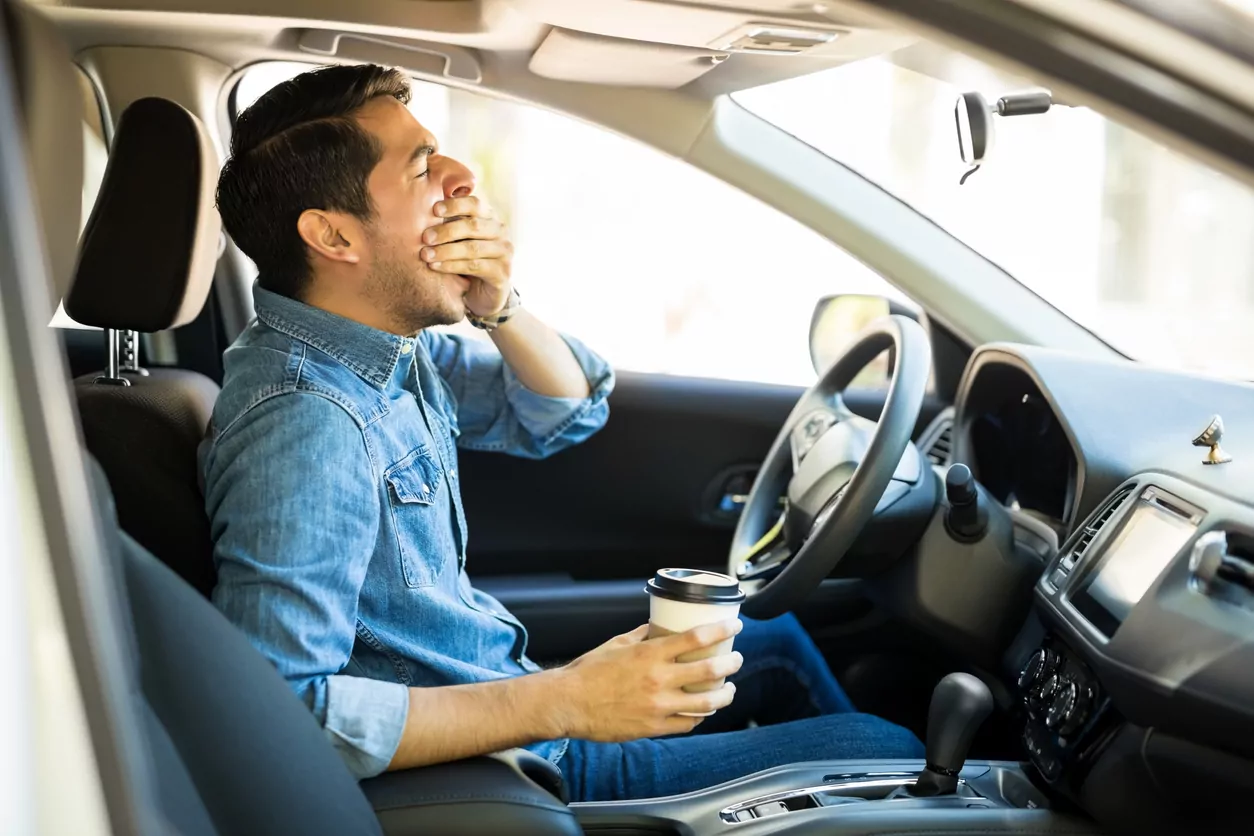
미국 질병통제예방센터, National Sleep Foundation, drowsy driving accounts for 6,400 deaths in the US. That adds up to 123 preventable deaths per week from not staying awake. Despite the obvious dangers, many take ill-advised drives despite being unfit to get behind the wheel. In order to avoid an accident, it’s essential to know how to stay awake while driving. Our guide explains how.
Warning Signs to Look Out For
Inadequate sleep leads to drowsy driving. In fact, studies show that moderate sleep deprivation can be equivalent to driving under the influence of alcohol. There are a few warning signs you should be aware of:
- Yawning more than usual
- Eyes struggling to stay open
- Difficulty keeping your head upright
- Forgetting the last few miles of driving
- Missing exits
- 안전거리 미확보 too close to cars in front
- Drifting into other lanes
If you’re driving late at night or after a long shift at work, pay close attention to see if you’re displaying any of these warning signs. You must get off the road because you’re placing your life and other drivers’ lives at risk.
Guide for Staying Awake
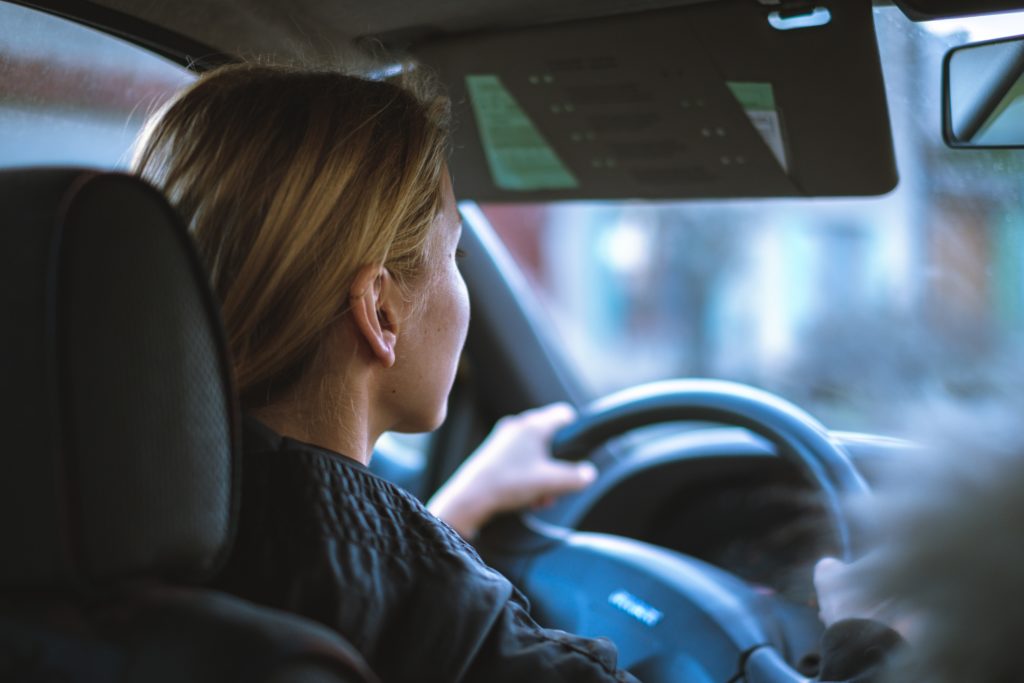
Too many preventable tragedies occur because of drowsy driving. However, there are effective actions that can be taken to stay awake while driving and prevent a car accident. We recommend the following tips.
1. Schedule Driving at a Sensible Time
미국 질병통제예방센터, National Highway Traffic Safety Administration (NHTSA), drowsy driving accidents happen most frequently between midnight and 6:00 AM. Some may plan a trip during that window when they would normally be sleeping in order to avoid traffic.
Unfortunately, driving at unusual hours often provokes lethargy. Therefore, if your routine is sleeping between 11:00 PM and 7:00 AM, avoid driving at that time. Instead, schedule your trip closer to when you would typically be awake.
In relation, stay aware of other tired motorists. If you’re driving at night, it’s more likely there are drowsy drivers on the road, as well. There are other safety precautions you can take to avoid common car crashes, but ultimately, it’s vital to stay awake while driving.
2. Be Well-Rested
Adults should get at least eight hours of sleep each day in order to perform daily tasks efficiently. People who do not get enough rest are at a much higher risk of being involved in an accident. Because they are still developing, teenagers need more sleep than adults. Therefore, parents must ensure their teens are well-rested before driving.
Drowsiness affects your ability to focus, slows reaction times, and impacts decision-making. Understanding your internal clock and getting enough sleep plays a major role in preventing an accident.
3. Get Some Fresh Air
A poorly ventilated car can lead to sleepiness. Keep a window open or use the air conditioner to ensure fresh air circulates throughout the vehicle. Fatigue can affect anyone, but fresh air is an effective way to prevent it.
Although it may feel more comfortable to ride in a warm car–especially during the winter season–it also relaxes the body, thus making you less alert.
4. Take Regular Breaks
If you are driving at night, it’s a good idea to take regular breaks. This should be a preventative measure rather than a reactive measure. Taking breaks during a long journey can help you avoid sleepiness and stay awake.
It’s recommended to take 15-minute breaks every couple of hours. You can stretch your body, walk around, and hydrate with a cool beverage.
5. Follow Guidelines if Taking Medication
Certain prescriptions cause drowsiness and other side effects. Therefore, it’s absolutely vital to be aware of any reactions that can arise. While it is not recommended to avoid taking a doctor-prescribed medication, driving should absolutely be avoided if your senses are going to be impacted as a result.
Label warnings advising against operating heavy vehicles or machinery are indicators that you should not drive while taking that particular prescription. However, the directions also state how far in advance the meds should be taken before reaching a state of drowsiness. This allows you to plan your day more accordingly.
Additionally, over-the-counter cold medicine and anti-allergy pills can also lower energy levels. When purchasing, make sure you select the “non-drowsy” option.
6. Avoid Alcohol and Drugs
Most drivers are aware of the dangers of drinking and driving. However, some may not understand their limitations. Even drinking under the legal limit can lead to drowsiness or buzzed driving. Therefore, err on the side of caution. If you’re going to drink, then do not drive.
Similarly, any form of drugs should not be taken. There is a misconception that stimulant drugs will ward off fatigue. However, they instead delay the effects and may increase tiredness. Also, taking amphetamines causes hallucinations and paranoia, which takes a huge toll on driving ability.
Caffeine works as a stimulant for a short amount of time, but results may vary from person to person. The body may also develop a tolerance for those who drink too much caffeine, making it obsolete.
7. Stop and Get Some Rest
If you notice any of the warning signs, stop as soon as possible and get some rest. Find a safe spot away from the road to take a short nap. Rest areas provide drivers with a safe place to refuel, eat, and rest. A 30-minute nap is an excellent way to regain energy and stay alert.
There are other alternatives if sleeping in an open area feels uncomfortable. Staying with a friend who lives nearby or renting a room at a local hotel/motel also works. If going back home to get some sleep is a viable option, that should be your first choice.
Staying Alert Is Your Number One Priority
Drowsy driving can have severe consequences that are easily preventable. Sleep is the most significant factor when it comes to staying awake on the road.
If you were involved in a crash and need answers, please feel free to contact our car accident lawyer. We offer a free case assessment and can address any questions you may have 24 hours a day, seven days a week.
DK All the way


사고 직후부터 보상까지 all the way 함께
무료 상담 예약하기
교통사고 전문 변호사와 한국어 상담이 가능합니다. 무료 상담
DK Law에서 함께 합니다.
DK all the way
지금 바로 교통사고 전문 변호사와 무료 상담을 받아 보세요!