


혼동 상태에서 운전하는 사람에 대한 10가지 오해, 모두가 믿고 있는 사실들
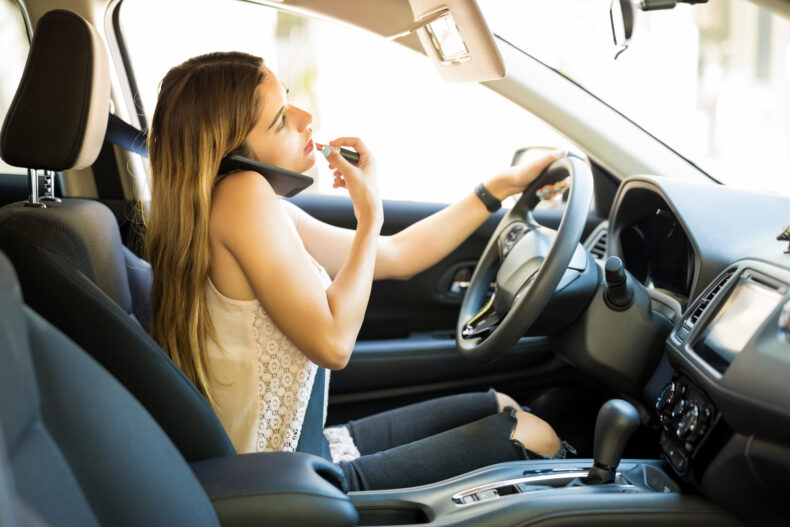
운전 중 주의 산만은 미국에서 가장 위험하고 치명적인 습관 중 하나가 되었습니다. 평균적으로, 아홉 명 부주의 운전으로 인한 사고로 매일 수많은 사람이 목숨을 잃습니다. 운전 중 단 몇 초의 부주의만으로도 심각한 사고가 발생할 수 있습니다.
향후 사고와 부상을 예방하기 위해서는 운전 중 주의 산만에 대한 흔한 오해들을 이해하고 이를 피하는 것이 중요합니다.
잘못된 통념 #1: 캘리포니아에서는 운전 중 문자 메시지를 보내는 것이 불법이 아니다.
사실: 맞습니다. 캘리포니아 법에 따르면 핸즈프리 장치를 사용하지 않는 한 운전 중 문자 메시지를 보내거나 통화하는 것은 불법입니다. 문자 메시지를 보내거나 휴대전화를 사용하다 적발되면 첫 번째 적발 시에만 14,000달러의 벌금이 부과될 수 있으며, 위반 횟수가 늘어날수록 벌금액도 증가합니다. 특히 젊은 운전자의 경우 법이 더욱 엄격합니다. 18세 미만 운전자는 운전 중 어떤 종류의 휴대용 기기나 핸즈프리 휴대전화도 사용할 수 없습니다.
Important
캘리포니아는 운전 중 문자 메시지 전송을 금지한 48개 주 중 하나입니다.
잘못된 통념 #2: 휴대폰만이 유일한 방해 요소이다
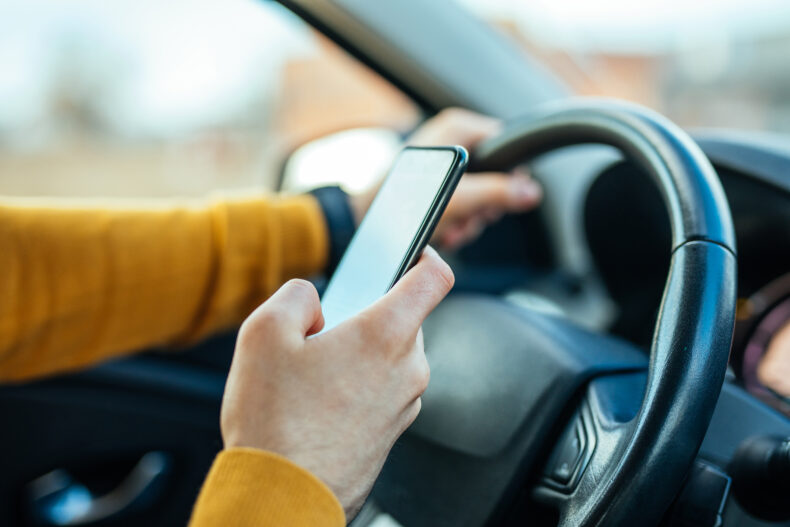
사실: 휴대전화 사용과 문자 메시지 전송이 가장 흔한 운전 중 주의 산만 행위이지만, 그 외에도 운전자의 시선과 집중력을 분산시키는 활동은 많습니다. 식사, 음주, 사진 촬영, 화장, 라디오 조절, 내비게이션 사용, 동승자와의 대화 등은 운전 중 주의 산만을 유발하여 충돌 위험을 높이는 행위의 예입니다.
잘못된 통념 #3: 핸즈프리 장치는 운전 중에 사용해도 안전하다
사실: 핸즈프리 장치는 휴대전화 사용과 관련된 신체적 주의 산만을 줄여주지만, 정신적으로는 여전히 방해가 될 수 있습니다. 핸즈프리 기술을 이용해 통화하려면 뇌가 멀티태스킹을 해야 하는데, 이는 운전 중 안전하지 않습니다. 휴대전화 통화는 운전자의 주의를 도로에서 분산시켜 잠재적인 위험에 대한 반응 능력을 저하시킬 수 있습니다. 운전자는 보고는 있지만 제대로 보지 못하는 이른바 "주의력 결핍 맹시" 현상이 나타날 수 있습니다.“
잘못된 통념 #4: 부주의 운전은 젊거나 운전 경험이 부족한 운전자에게만 영향을 미친다
사실: 젊은 운전자들이 심각한 사고나 사망 사고를 당할 위험이 가장 높다는 것은 사실입니다. 실제로 15세에서 20세 사이 청소년 사망의 주요 원인은 교통사고입니다. 하지만 부주의 운전 또한 운전자에게 위험한 행동입니다. 모든 연령대 그리고 운전 경험 수준에 따라 사고 발생 가능성이 달라집니다. 경치를 감상하기 위해 잠시 창밖을 내다보는 것만으로도 사고가 발생할 수 있습니다.
잘못된 통념 #5: 부주의 운전은 심각한 문제가 아니다
사실: 운전 중 주의 산만은 대부분의 자동차 사고의 주요 원인입니다. 미국 도로교통안전국(NHTSA)과 버지니아 공과대학 교통연구소(VTTI)가 실시한 연구에 따르면, 충돌 사고의 801건과 아찔한 사고의 651건에 어떤 형태로든 주의 산만이 관련되어 있는 것으로 나타났습니다. 또한 이 연구는 주의 산만이 충돌 직전 단 3초 이내에 발생했다는 사실도 밝혀냈습니다.
Important
문자 메시지를 보내는 것은 시각적, 손놀림, 인지적 주의 산만이라는 세 가지 유형의 요소를 모두 포함하고 있기 때문에 가장 위험한 형태의 부주의 운전입니다.
잘못된 통념 #6: 부주의 운전은 고속도로에서 고속으로 주행할 때만 위험하다.
사실: 운전 중 주의가 산만해지면 속도와 상관없이 위험합니다. 주차장이나 차고에서는 수천 건의 사고가 발생하는데, 한순간의 잘못된 움직임이 차량과 보행자 간의 심각한 충돌로 이어질 수 있습니다.
국가안전위원회는 다음과 같이 보고합니다. 사고 5건 중 1건 이러한 사고는 주차장에서 발생하며, 쇼핑센터에 진입할 때 운전자의 최대 661,000명이 한눈을 팔아 사고가 날 수 있습니다. 특히 보행자와 운전자 모두 주의가 산만해지기 쉬운 연휴 성수기에는 사고가 빈번하게 발생합니다.
잘못된 통념 #7: 음주 운전은 더 위험하다
사실: 미국 도로교통안전국(NHTSA)에 따르면 운전 중 문자 메시지를 보내는 것은 음주 운전보다 6배 더 위험합니다. 문자 메시지를 읽거나 보내는 동안 약 5초 동안 시선을 도로에서 떼게 되는데, 이는 사소해 보일 수 있지만 시속 88km(55mph)로 주행할 경우 눈을 가리고 축구장 길이만큼을 이동할 수 있는 시간입니다!
불행히도, 부주의 운전은 여전히 흔한 행태입니다. 최근 연구 조사 결과, 응답자의 43.71%가 운전 중 문자 메시지를 읽었다고 인정했으며, 42.71%는 경찰에 적발될 위험이 있음에도 불구하고 운전대 아래로 메시지를 보냈다고 인정했습니다.
잘못된 통념 #8: 신호등에서 문자 메시지를 보내는 것은 괜찮다
사실: 신호등이 빨간불일 때 문자 메시지를 보내거나, 이메일을 확인하거나, 소셜 미디어를 여는 것이 완전히 합법적이라고 생각할 수도 있습니다. 하지만 #1에서 언급했던 캘리포니아 법은 움직이는 차량과 정지한 차량을 구분하지 않고 적용됩니다. 따라서 빨간불일 때 문자 메시지를 보내거나 휴대전화로 통화하는 것은 불법입니다.
신호등에서 정차 중 문자 메시지를 보내는 것은 추돌 사고 발생 가능성을 높이며, 이는 캘리포니아 전역에서 가장 빈번하게 발생하는 경미하고 심각한 교통사고의 원인 중 하나입니다.
잘못된 통념 #9: 새로운 기술 덕분에 자동차가 더 안전해졌다
사실: 최신 차량은 일반적으로 더 안전하지만, 위험 요소가 전혀 없는 것은 아닙니다. 전방 충돌 경고 및 자동 긴급 제동과 같은 첨단 기능은 사고를 줄이는 데 도움이 되었지만, 다른 기능들은 운전자의 주의를 산만하게 할 수 있습니다. 차량의 인포테인먼트 시스템, 헤드업 디스플레이, 핸즈프리 블루투스는 모두 운전자의 주의를 분산시켜 충돌 위험을 높일 수 있는 잠재적인 요소입니다.
자동차에 탑재된 수많은 신기술들을 고려할 때, 운전 중이 아니라 운전 전에 차량의 모든 기능을 익히는 것이 가장 좋습니다.
잘못된 상식 #10: 헤드폰을 끼고 운전해도 괜찮다
사실: 그것은 불법적인 캘리포니아에서는 운전 중 헤드폰이나 무선 이어폰을 양쪽 귀에 착용하는 것이 금지되어 있습니다. 적발될 경우 최대 1,420달러의 벌금과 면허증 벌점을 받을 수 있습니다. 단, 안전상의 이유로 응급 차량 운전자와 청각 장애가 있는 운전자는 이 법의 적용을 받지 않습니다.
하지만 운전 중에 이어폰을 한쪽만 끼고 있는 것은 합법입니다. 다만, 그렇게 할 경우에는 왼쪽 귀(도로 쪽을 향한 귀)는 열어 두세요.
4월은 부주의 운전 인식의 달입니다.
부당 사망 클레임을 제기할 수 있는 국가 고속도로 교통안전 관리청 4월은 '운전 중 주의 산만 방지 캠페인'의 달로 지정되었습니다. 지금이야말로 운전 습관을 바로잡고 다음과 같은 안전 수칙을 명심하기에 완벽한 시기입니다.
- 문자 메시지를 보내거나 전화를 걸어야 할 경우, 안전한 장소에 차를 세우고 주차하세요.
- 휴대전화를 보이지 않는 곳에 두거나 방해금지 모드를 활성화하세요.
- 운전을 시작하기 전에 GPS를 설정하고, 재생 목록을 정하거나, 기타 장치를 설정하세요.
- 침착하세요. 불안과 스트레스는 집중력을 흐트러뜨리고 무의식적인 주의 산만을 초래할 수 있습니다. 심호흡을 하고 운전에 집중하세요.
- 친구와 가족에게 운전 중 주의를 산만하게 하는 행동을 하지 않도록 권장하세요.
운전 중 부주의로 인한 사고로 부상을 입으셨습니까?
부주의한 운전자로 인해 발생한 교통사고로 부상을 입으셨다면, 경험이 풍부한 변호사와 상담하셔야 합니다. 부주의 운전 사고 전문 변호사 가능한 한 빨리 연락주세요. 온라인 또는 캘리포니아 오렌지 카운티 사무실로 직접 전화해 주십시오. 877-350-0356 무료 상담 예약을 하시려면 여기를 클릭하세요.
DK All the way


사고 직후부터 보상까지 all the way 함께
상담 예약
교통사고 전문 변호사와 1:1 맞춤 한국어 상담
DK Law에서 함께 합니다.
DK all the way
지금 바로 교통사고 전문 변호사와 무료 상담을 받아 보세요!

교통사고 보상, 시간이 관건입니다!
사고 후 대처가 빠를수록, 교통사고 보상 더 잘 받을 수 있습니다. 사고의 초기 대응이 증거 보존 및 피해자 권리 보호에 큰 도움이 됩니다.
승소하지 않으면 변호사 선임료 $0 | 24시간 상담 가능