


Hope and Healing: The Journey Through Brain Injury Recovery
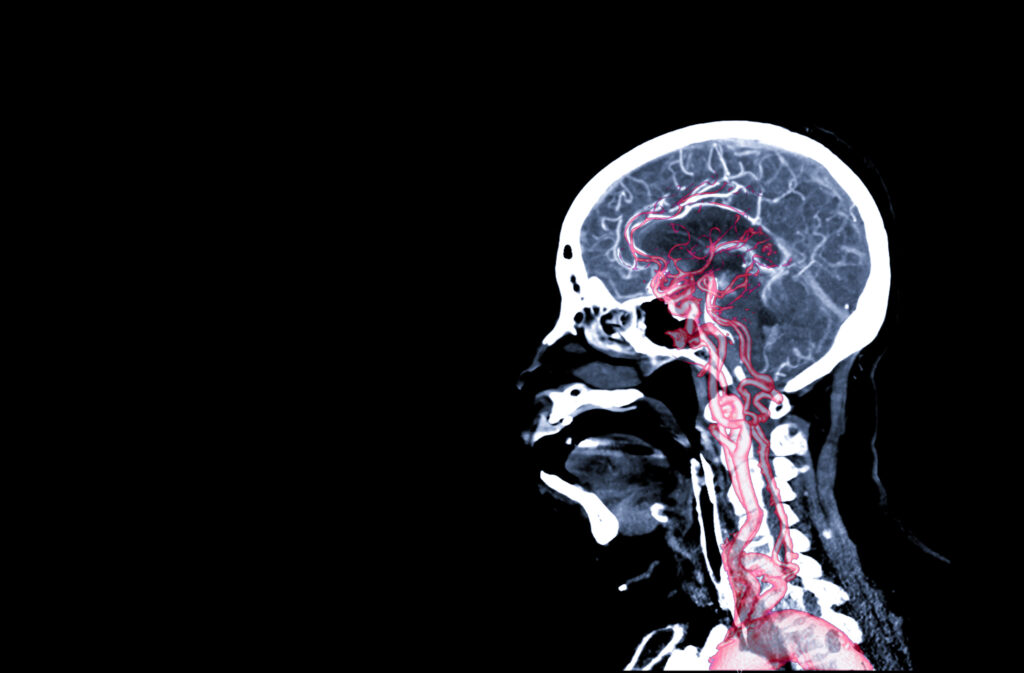
A traumatic brain injury (TBI) is a 치명적인 상해 and is one of the most common injuries suffered in an auto accident. After sustaining a severe brain injury, the journey to full recovery can take a few months, a few years, or a lifetime. No two injuries are the same, and the length of the recovery process will vary from individual to individual.
However, many doctors use a universal scale developed at a hospital in Whittier, CA, to measure the patterns or stages of recovery after a brain injury. Known as the Rancho Los Amigos Scale (RLAS), it was initially developed to assess patients emerging from a coma. Continue reading to learn about the 10 stages of brain injury recovery.
What Are the Early Stages of Traumatic Brain Injury Recovery?
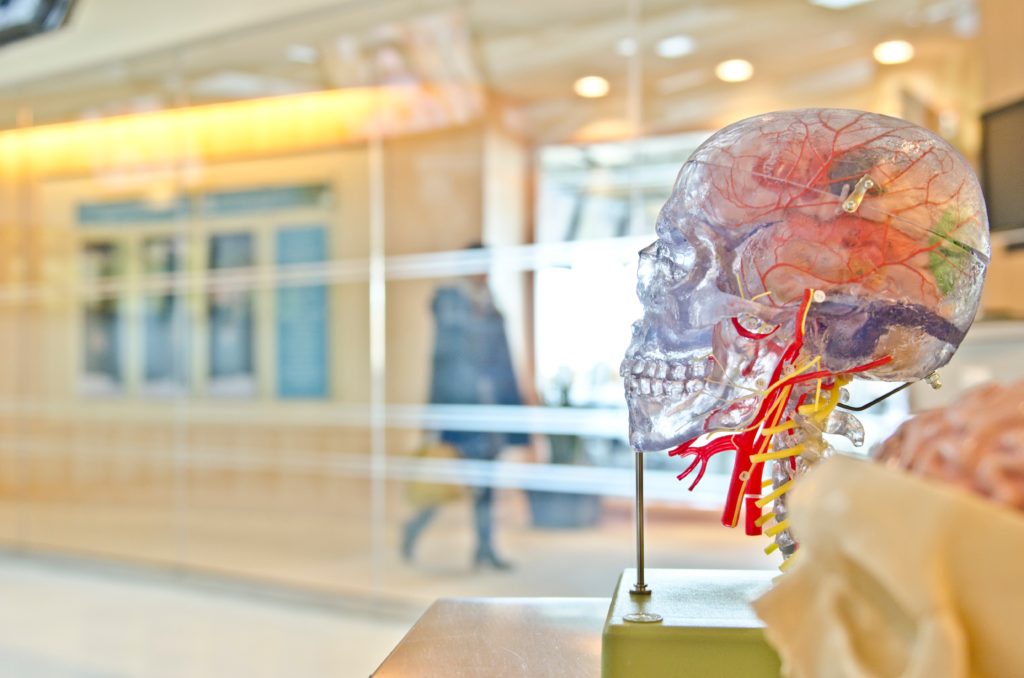
Stage 1: No Response (Total Assistance)
This stage is often referred to as a prolonged loss of consciousness, or coma. It occurs when severe brain injury survivors have no response to external stimuli and require total assistance. A coma allows the brain to begin the healing process and can be medically induced to help minimize swelling and pressure after an injured person suffers a severe TBI. Usually, a coma does not last longer than a few weeks.
Stage 2: Generalized Response (Total Assistance)
Patients do not show significant improvement in the vegetative state, but they do regain some of their reflexes. While they are still unconscious, their eyes may open and close and show neurological responses to certain external stimuli.
Stage 3: Localized Response (Total Assistance)
Known as the localized response stage, survivors drift in and out of consciousness. They may be able to communicate, and they respond better to friends or family than to strangers.
Stage 4: Confused and Agitated State (Maximal Assistance)
At this stage, patients demonstrate a heightened state of awareness. They are prone to aggressive behavior, sudden mood swings, and short-term memory loss.
Later Stages of TBI Recovery
Stage 5: Confused, Inappropriate State (Maximal Assistance)
During this stage, patients may start to regain memory and awareness, but they still have significant gaps in their memory and may struggle with simple tasks.
Stage 6: Confused, Appropriate State (Moderate Assistance)
In this stage, patients can follow simple commands, perform familiar tasks such as brushing teeth, and demonstrate an increased self-awareness. While therapy may begin at this stage, patients must be highly supervised to avoid physical injury.
Stage 7: Automatic, Appropriate State (Minimal Assistance)
While this stage still requires supervision, patients can begin returning to their daily routine. They will experience decreased judgment and awareness, and may have trouble planning ahead.
Stage 8: Purposeful, Appropriate State (Standby Assistance)
At this point, patients can live on their own with minimal help from friends or family. However, it is highly recommended that they seek medical attention to address signs of depression, irritability, or other cognitive issues.
Stage 9: Purposeful, Appropriate State (Standby Assistance on Request)
Patients are able to complete tasks for at least two consecutive hours, but may need to use memory devices to stay on task. They can acknowledge the needs and feelings of others.
Stage 10: Purposeful, Appropriate State (Modified Independent)
Patients have essentially reached full recovery at the final stage. They can perform most tasks independently. However, they will likely experience slower cognitive function than pre-injury. Patients may continue rehabilitation, treatment, or physical therapy.
What Happens Next: Traumatic Brain Injury Rehabilitation
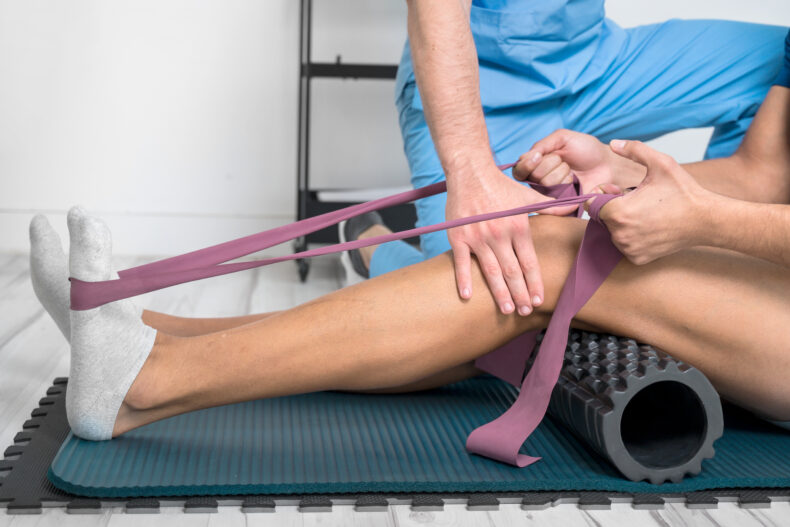
After experiencing the ten stages of recovery, traumatic brain injury patients are ready to move on to rehabilitation. This usually entails therapy and visits with physical therapists, neurologists, occupational therapists, speech therapists, and psychologists.
Rehabilitation is designed to help patients regain strength, coordination, balance, and mobility. It may also involve cognitive therapy to help with memory, attention, and problem-solving skills, as well as psychological support to help the patient cope with any emotional or psychological challenges they may be experiencing.
If you or someone you know has suffered a traumatic brain injury, it’s best to follow the advice given by a medical professional. Living with someone with a TBI can be incredibly taxing, as patients are prone to irrational and aggressive behavior. Stick to a daily routine, take frequent breaks, and remember that brain injury recovery is not a straight line. For more information on TBI and types of head injuries, click 이곳을 클릭하세요.
How a Traumatic Brain Injury Lawyer Can Help
If your loved one suffered a traumatic brain injury in a motor vehicle accident, contact our experienced California brain injury lawyers for a free, no-obligation consultation. We will guide you through the process of filing a claim so you can receive financial compensation.
DK All the way


사고 직후부터 보상까지 all the way 함께
상담 예약하기
1:1 맞춤 한국어 상담 무료로 진행하기
DK Law에서 함께 합니다.
DK all the way
지금 바로 교통사고 전문 변호사와 무료 상담을 받아 보세요!

교통사고 보상, 시간이 관건입니다!
사고 후 대처가 빠를수록, 교통사고 보상 더 잘 받을 수 있습니다. 사고의 초기 대응이 증거 보존 및 피해자 권리 보호에 큰 도움이 됩니다.
승소하지 않으면 변호사 선임료 $0 | 24시간 상담 가능