


Does Your Car Know Too Much?

Today’s cars are smarter than ever and more curious, too. From the second you start the engine, your vehicle might be recording where you go, how fast you drive, whether you brake hard, and even what you listen to.
That’s not just sci-fi paranoia. It’s real data, and it could come into play after an accident. Let’s break down what your car might know about you – and who else might be listening.
1. What Kind of Data Is Your Car Collecting?
Modern vehicles – especially those made in the last 5–10 years – are loaded with sensors and software that track things like:
- GPS location and driving routes
- Speed, acceleration, and braking
- Seatbelt usage
- Airbag deployment
- Entertainment system use
Some cars even connect to apps or send this info to cloud servers owned by the manufacturer. A Consumer Reports investigation found that nearly every automaker that sells cars in the U.S. is collecting and sharing “driver behavior data” with other companies.
2. Who Can Access That Info?

This is where things get a little tricky.
In most cases, the carmaker owns the data – not you. That means insurance companies, law enforcement, or even third-party data brokers may gain access under the right conditions.
In one report, a Seattle driver saw his insurance jump 21% after data from his Chevy Bolt was shared with LexisNexis, a global data broker.
Your car’s data may also be used after an accident, in addition to dashcam footage and witness statements.
3. Is This a Privacy Problem?
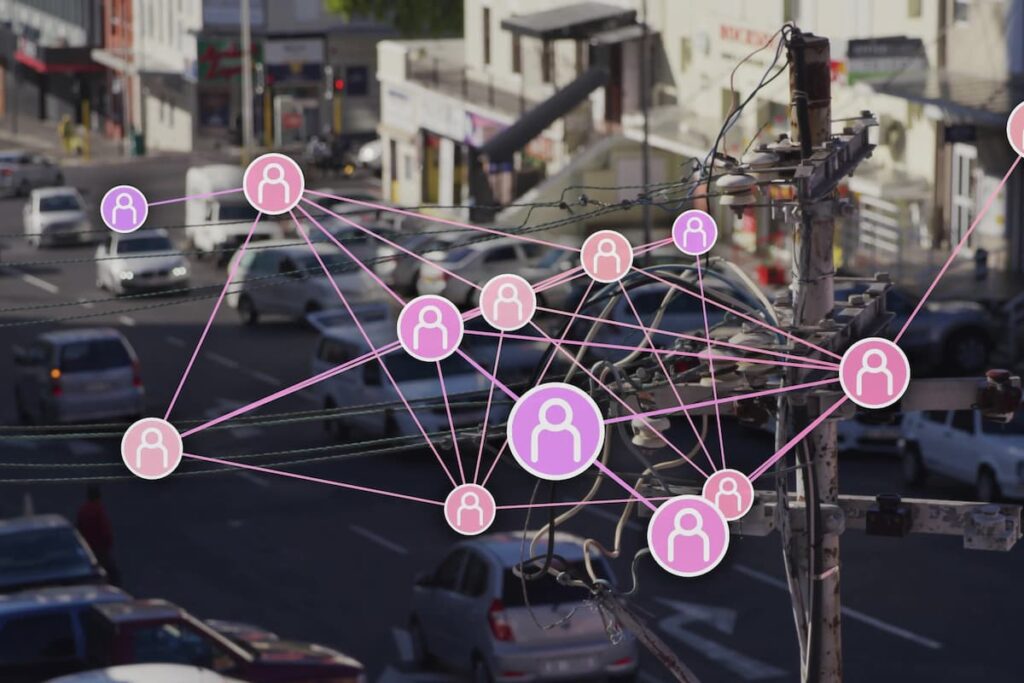
Potentially, yes. It depends on how the data is stored, who it’s shared with, and whether you consented (often buried deep in a user agreement).
California’s Consumer Privacy Act (CCPA) provides drivers with some protections, but enforcement hasn’t yet kept pace with the rapid advancements in car technology. And here’s the kicker—most people don’t even realize their vehicle is collecting this level of detail.
If your car has Wi-Fi, Bluetooth, or a companion app, it’s almost certainly tracking more than you think.
4. What Happens After a Crash?
If you’re involved in a collision, your car’s event data recorder (EDR)—often called the “black box”—can reveal critical details, including:
- Speed and braking patterns before impact
- Whether safety systems (seatbelts, airbags) were engaged
- Data that supports—or contradicts—the police report
This information can strengthen or weaken an insurance claim. And if the other driver’s vehicle has similar data? That can also become part of the case.
5. Can You Do Anything About It?
While you can’t stop your car from collecting data altogether, you can take steps to stay informed and protect yourself:
- Check your owner’s manual or car app for data policies
- Ask your dealer or manufacturer what’s tracked and how it’s shared
- Review and limit app permissions when possible
- Get legal guidance if you’re in a crash—data rarely tells the full story on its own
Know What Your Ride Knows
Your car isn’t just getting you from Point A to Point B. It’s also logging the ride.
That doesn’t mean you should panic – but it does mean you should stay informed. Knowing what’s recorded (and how it’s used) can give you the upper hand in everything from insurance disputes to legal claims.
At DK法律, we help clients understand the full picture – including what your vehicle’s data might say when you can’t.
DK 一路走来


从您的案件到赔偿,我们全程为您服务。
安排免费咨询
在专家法律咨询处获得专业法律建议 零成本。.
在DK Law,我们与您同在—— 全程都在。.
立即与我们的专家免费咨询!

事故发生后时间很重要
事故发生后越早与律师联系,你的索赔就越有胜算。及早行动有助于保全证据并维护你的权益。.
无需支付费用即可获得法律援助 | 24×7全天候服务