


Tesla’s Cybercab Is in Production. Here’s Why It Won’t Be Driving Itself in California Anytime Soon.
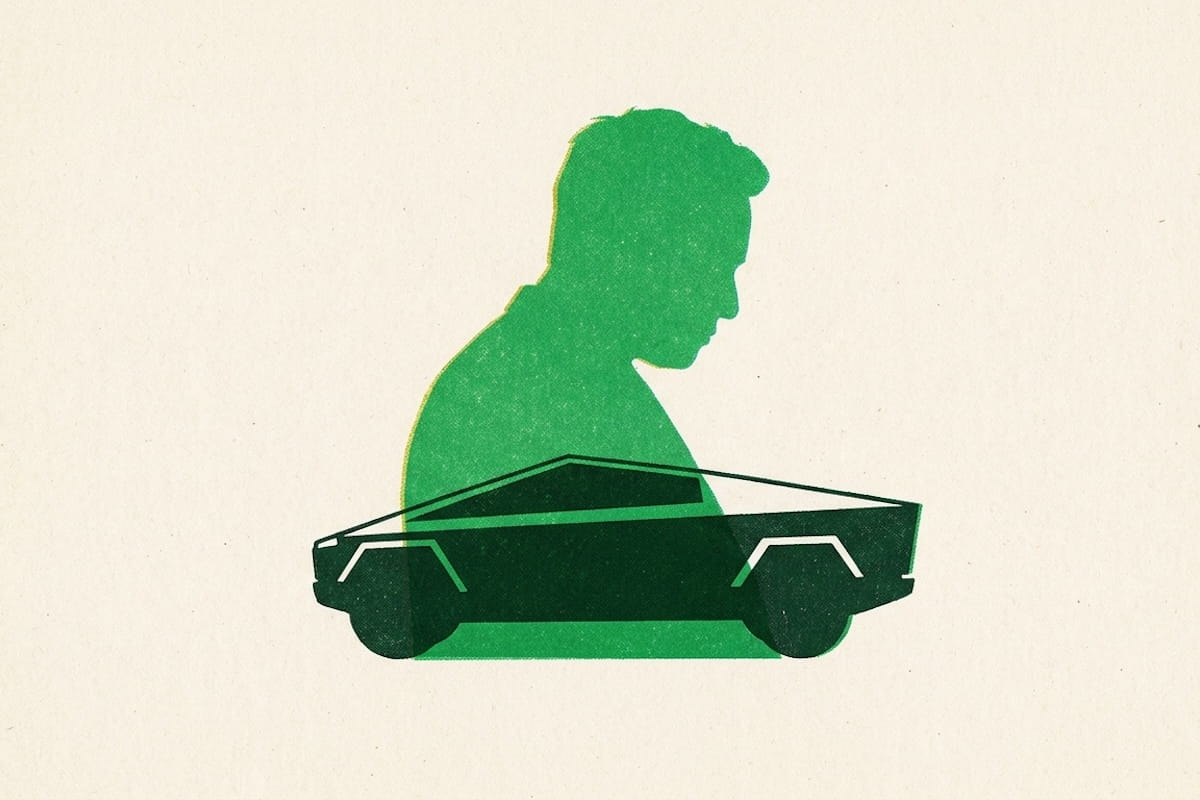
Tesla started Cybercab production at Gigafactory Texas this month. The vehicle has no steering wheel. No pedals. No driver. Elon Musk told investors on the Q1 earnings call that production would begin “very slow” and ramp “exponential” by year-end, and that the Cybercab will eventually replace the Model Y as the largest-volume vehicle in Tesla’s robotaxi fleet.
That fleet is already operating, in a fashion. Tesla launched a paid robotaxi service in Austin last June using Model Y vehicles with a human safety monitor in the passenger seat, expanded it to Dallas and Houston this month, and runs a smaller version in the San Francisco Bay Area. The plan is for Cybercabs to take over those routes as production scales.
The plan does not currently include California. There’s a reason for that, and it matters for anyone who drives, walks, or rides in this state.
Tesla’s marketing and Tesla’s regulatory paperwork tell two different stories. In its advertising, Tesla calls the Bay Area service a “Robotaxi.” In its filings with the California Public Utilities Commission, Tesla calls it something else.
Last month, the state’s top transportation regulator made the gap explicit: Tesla is not operating an autonomous vehicle service in California, and the company has not applied for the permits that would let it. It’s the entire reason the Cybercab will not be picking up passengers in San Francisco, the way it’s about to start picking them up in Texas. And the Austin crash data shows why California’s caution is not unreasonable.
California’s Permit Ladder – And Why Tesla Isn’t On It
Operating a driverless ride service in California requires a stack of permits. The Department of Motor Vehicles issues permits to test autonomous vehicles with a safety driver, to test them without one, and to deploy them commercially. The CPUC then issues a separate tier of permits covering whether the company can charge fares, carry the public, and operate without a human in the seat: Drivered Pilot, Drivered Deployment, Driverless Pilot, Driverless Deployment. Waymo, which gives roughly half a million paid rides a week in the Bay Area, holds permits across that ladder.
Tesla holds none of them. What Tesla holds is a Charter-Party Carrier permit, the same authorization any limousine company gets to drive paying passengers around in a regular car.
CPUC Deputy Executive Director Pat Tsen stated on the record in March that Tesla “is not operating an autonomous vehicle service” in the state, that the person sitting behind the wheel of every Tesla “Robotaxi” in the Bay Area is legally a driver and not a safety monitor, and that Tesla submits none of the per-trip safety reporting Waymo and Zoox file every quarter. The Cybercab cannot legally pick up paying passengers in California because Tesla has no permit it could fit under.
Why Tesla’s Crash Data Raises Questions
None of this would be especially urgent if Tesla’s existing robotaxi service were performing well. It isn’t. NHTSA data filed under the agency’s Standing General Order shows 14 reported crashes involving Tesla’s Austin fleet since launch, across roughly 800,000 paid miles. That works out to one crash every 57,000 miles.
Tesla’s own Vehicle Safety Report claims the average Tesla driver experiences a minor collision every 229,000 miles. By Tesla’s own benchmark, the Austin robotaxi fleet is crashing roughly four times more often than a regular human Tesla driver. Every single one of those Austin miles was driven with a paid safety monitor on board.
The Transparency Problem
The crash narratives are redacted. Tesla is the only operator in the federal database that systematically replaces incident descriptions with the phrase “REDACTED, MAY CONTAIN CONFIDENTIAL BUSINESS INFORMATION.” Waymo and Zoox publish their narratives in full. If a Cybercab were operating in California today and you were hit by one, you would not be able to look up what its system was doing in the seconds before impact. That is the data environment a victim’s lawyer would be working in. It is also the data environment in which California’s stricter permitting regime exists to prevent.
There’s a fair argument on the other side. Defenders of Tesla’s approach will say California is dragging its feet, that Texas is letting innovation happen, and that overcautious permitting costs lives an automated fleet would otherwise save.
The argument has real foundations: a Waymo-style deployment, with hundreds of millions of supervised miles and full data transparency, has produced injury and serious-crash rates well below human drivers. But the Tesla data we have, the Tesla data Tesla redacts, and the $243 million Autopilot verdict a federal judge in Florida just upheld suggest something different. California’s regulators are not blocking a proven safer system. They are insisting on data they can verify before a manufacturer puts a vehicle without a steering wheel on a Bay Area street. That is a defensible position.
What Changes Next: AB 1777 and New DMV Rules
So, when does any of this reach California? Two things are about to change the picture. AB 1777, authored by then-Assemblymember Phil Ting, takes effect July 1, 2026. It requires manufacturers of driverless vehicles to maintain a 24/7 emergency response line answered by a human within 30 seconds, two-way voice systems so first responders can talk to a remote operator, geofencing compliance within two minutes of an emergency request, and a new “Notice of Autonomous Vehicle Noncompliance” that peace officers can issue directly to the manufacturer when an AV breaks traffic law.
The DMV approved implementing regulations on April 28 that require 50,000 miles of staged testing for light-duty AVs and rebuild the data-reporting framework around system failures, hard braking, and immobilizations. None of this is impossible to comply with. None of it is fast. Tesla has not started.
So When Does the Cybercab Reach California?
The Cybercab is real. It is rolling off the line in Texas right now. But for Californians, the practical answer to “is this coming our way?” is: not until Tesla applies for the permits everyone else applied for, completes the testing miles everyone else completed, and starts publishing the data everyone else publishes.
The state’s regulators decided that the gap is the price of putting a vehicle without a driver on a public road. Watching what’s happening in Austin, that price looks about right.
For injury victims, data transparency isn’t a regulatory checkbox. It’s the difference between having a case and not having one. Anyone hurt by an autonomous vehicle deserves the same access to evidence as anyone hurt by a human driver – and that starts with knowing what the system was doing in the seconds before impact.
Take control of your situation
Use our free tools and resources to understand your options, protect your rights, and move forward with confidence.
내게 필요한 정보 찾기
가까운 지점 정보, 교통사고 대처 상식, 상해 종류 별 정보 등 교통사고 관련 모든 정보를 한 곳에 모았습니다.
내 주변 지점 찾기
가까운 DK Law 지점을 찾아보세요.

DK Law 전문 분야 찾기
교통사고부터 사망사고까지, DK Law의 주요 전문 분야를 확인해보세요.

DK Law에서 함께 합니다.
DK all the way
지금 바로 교통사고 전문 변호사와 무료 상담을 받아 보세요!

교통사고 보상, 시간이 관건입니다!
사고 후 대처가 빠를수록, 교통사고 보상 더 잘 받을 수 있습니다. 사고의 초기 대응이 증거 보존 및 피해자 권리 보호에 큰 도움이 됩니다.
승소하지 않으면 변호사 선임료 $0 | 24시간 상담 가능