Can I Sue for a Car Accident with No Injuries in California?
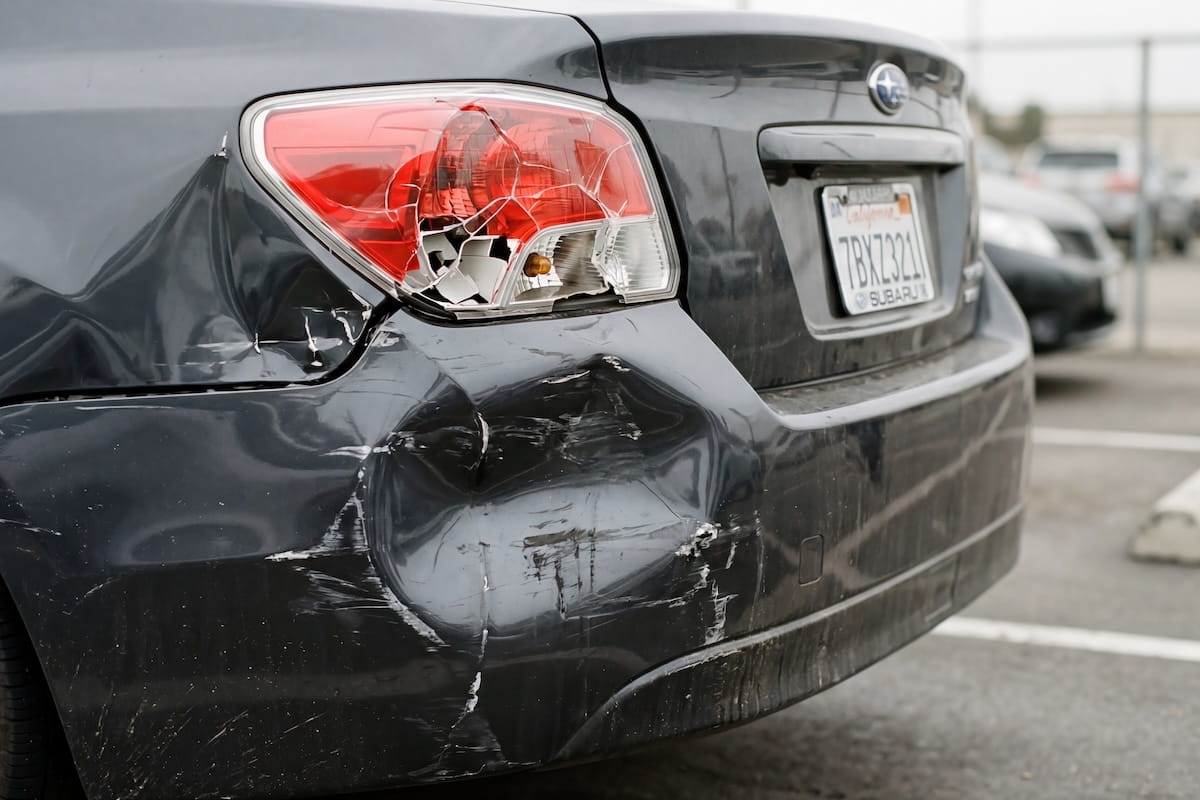
Yes. California law does not require physical injuries to file a lawsuit after a car accident. If another driver’s negligence damaged your vehicle, you have the right to sue for that damage. Property damage, diminished vehicle value, rental car costs, and personal belongings ruined in the crash. All recoverable.
And this situation is far more common than people realize. Nearly 72% of all police-reported crashes nationally involve property damage only, with zero injuries. You are firmly in the majority.
Conclusiones principales
- You can sue after a car accident in California even without physical injuries. Property damage alone is enough to file a claim or lawsuit against the at-fault driver.
- Recoverable damages include repair costs, diminished vehicle value, rental expenses, towing fees, and personal property destroyed in the crash.
- California le da three years to file a property damage lawsuit under Code of Civil Procedure § 338(c), which is longer than the two-year window for personal injury claims.
- Emotional distress is generally not recoverable in a property-damage-only accident unless the at-fault driver’s behavior was intentional or extreme.
- Hiring an attorney makes the most financial sense when the insurer is lowballing a high-value claim or disputing fault entirely.
What Damages Can You Recover Without Physical Injuries?
More than most people expect. Repair costs are the obvious ones, or actual cash value if your insurer totals the car. But that’s just the floor.
Diminished value is where claims get interesting. A vehicle with a collision history is worth less than one without, even after a flawless repair. Try selling a car with a Carfax report showing a rear-end collision. Buyers notice. California courts recognize diminished value as a legitimate damage category, though insurers will push back on it. They often rely on something called the “17c formula,” which caps the number artificially low and zeroes out vehicles over 100,000 miles. That formula is not California law. It originated from a 2001 Georgia class-action settlement involving State Farm, and Georgia’s own insurance commissioner eventually banned formula-based diminished value calculations.
You can also recover rental car costs while your vehicle was being repaired, towing and storage fees, and damaged personal property inside the car (laptops, phones, child car seats).
One area to be realistic about: emotional distress. California courts have consistently held that property damage alone won’t support an emotional distress claim. If the at-fault driver was acting recklessly or intentionally, like in a road rage incident, that changes things. A standard fender bender, though? Probably not.
How Does California’s At-Fault System Affect Your Claim?
California is a pure comparative negligence state, which matters more than people think for property-only claims. Your recovery gets reduced by your percentage of fault. Even at 80% fault, you can still recover 20% of your damages. The California Supreme Court established this principle in Li v. Yellow Cab Co. back in 1975.
The underlying legal theory is simple. California Civil Code § 1714 imposes a duty of ordinary care on everyone. Breach that duty while driving, cause damage, and you’re liable.
If the at-fault driver wasn’t the vehicle’s owner, Vehicle Code § 17150 extends liability to the owner too, so long as the driver had permission. Borrowed car situations come up more often than you’d think.
California’s minimum property damage liability coverage increased to $15,000 per accident as of January 2025, up from $5,000. That still doesn’t go very far. Body work on anything newer than about 2018 can blow past that ceiling fast, and if it does, you may need to file suit against the driver personally or tap your own underinsured motorist coverage.
When Does Hiring a Lawyer Actually Make Sense?
Not always. A straightforward property damage claim under $10,000 is usually manageable on your own. California’s small claims court handles disputes up to $10,000 for individuals, and attorneys aren’t even allowed in small claims, so the process is designed for regular people.
Where legal help starts earning its fee:
- Total loss disputes where the insurer undervalues your car, and the gap between their offer and reality is thousands of dollars
- Diminished value claims that the adjuster refuses to acknowledge at all
- Liability disputes where comparative fault is genuinely contested
- Uninsured or underinsured at-fault drivers who require a direct lawsuit
The math has to make sense. If attorney fees eat most of the recovery, you’re running in place.
How Do You Prove a Property Damage Claim?
This is the part most articles mention but never actually explain.
Documentation wins these cases. Photos and video of the damage from every angle, taken at the scene, if you can manage it. Independent repair estimates, not just the insurer’s preferred shop number. A copy of the police report. Witness contact information if anyone saw the accident happen.
The California Department of Insurance publishes a consumer guide covering the full claim process, including your right to choose your own repair shop under Insurance Code § 758.5. Read it before you talk to any adjuster. It’s short, and it gives you a real sense of what the insurer is supposed to do versus what they actually do.
If you’ve been in a accidente automovilístico in California and need help understanding your legal options, comuníquese con DK Law para una consulta gratuita.
DK All the Way


Desde su primer contacto hasta recibir su compensación, estamos con todos all the way.
Agende una consulta gratuita
Reciba asesoría legal experta sin ningún costo.
En DK Law estamos a su lado — all the way.
¡Agende hoy su consulta gratuita con nuestros expertos!