Cómo Funciona Realmente una Demanda por Mordedura de Perro
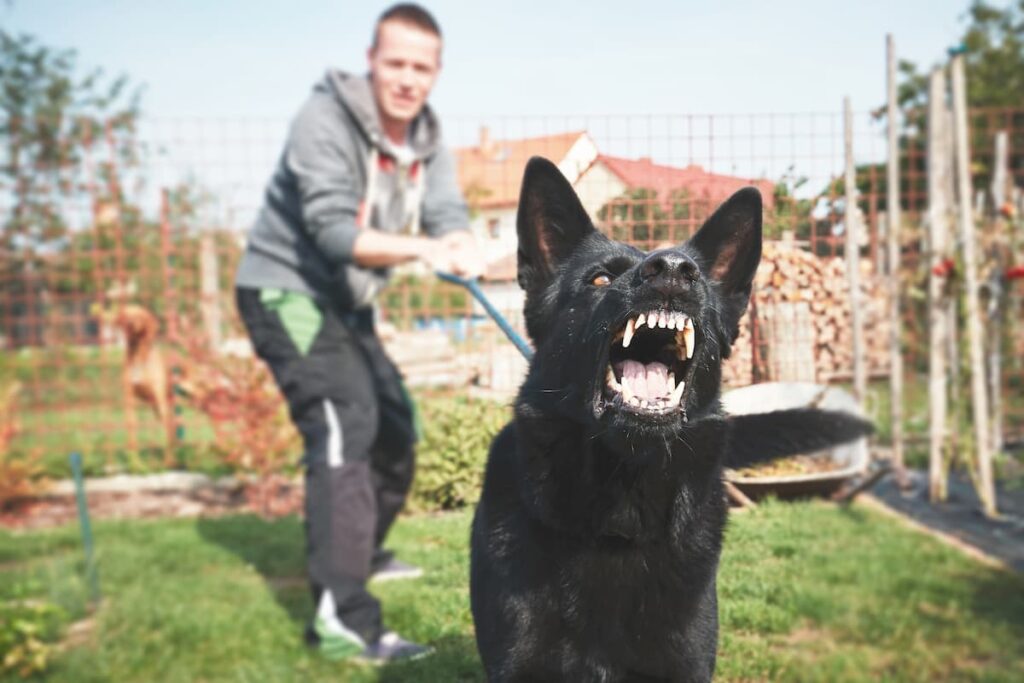
Las mordeduras de perro ocurren todos los días. De hecho, las aseguradoras pagaron $1.57 mil millones de dólares en reclamos por mordeduras de perro en 2024, la cantidad más alta jamás registrada. ¿El reclamo promedio? $69,272.
Pago real. Lesiones reales. Batallas legales reales.
Si ha sufrido una mordedura, probablemente esté sentado con vendas, facturas y miles de preguntas. ¿Quién paga por esto? ¿Puedo demandar realmente? ¿Cuánto vale mi caso?
Vamos a desglosar exactamente cómo funcionan estos casos.
¿Quién Está Siendo Demandado (y Quién Paga Realmente)?
Una de las ideas erróneas más comunes en los casos de mordedura de perro es contra quién se presenta la demanda en realidad. En la mayoría de las situaciones, el reclamo no se dirige directamente contra el dueño del perro a nivel personal, sino más bien contra su póliza de seguro de propietario de vivienda.
La mayoría de las pólizas de seguro de propietario de vivienda incluyen cobertura para mordeduras de perro, ofreciendo típicamente límites de responsabilidad que oscilan entre $100,000 y $300,000. En otras palabras, es la compañía de seguros —no su vecino— quien finalmente emite el pago por sus daños.
Su capacidad para obtener una compensación depende en gran medida de las leyes de su estado.
- Treinta y seis estado, incluido California, siguen un estándar de responsabilidad objetiva (strict liability). Bajo esta regla, el dueño de un perro es legalmente responsable de las lesiones causadas por su animal, independientemente del comportamiento previo del perro o del conocimiento que tuviera el dueño sobre su temperamento. En pocas palabras: si el perro muerde, el dueño es responsable.
- Los dieciséis estados restantes aplican lo que se conoce como la "regla de la mordida única" (one-bite rule). Esta doctrina generalmente protege al dueño de la responsabilidad por el primer incidente del perro, a menos que se pueda demostrar que el dueño sabía o debería haber sabido que el perro tenía tendencias agresivas. Estados como Texas, Nueva York y Nevada siguen este enfoque.
Sin embargo, incluso en jurisdicciones de "mordida única", aún se puede aplicar un reclamo por negligencia. Si un dueño no sujeta a su perro, ignora las leyes de correa o actúa de forma descuidada, aun así puede ser considerado responsable por las lesiones resultantes. En esos casos, el incumplimiento del deber de cuidado por parte del dueño proporciona una base válida para el reclamo.
¿Cuál Es el Valor Real de su Caso?
Los acuerdos por mordedura de perro oscilan entre $6,000 y $400,000, con un promedio de alrededor de $75,000. Pero los promedios engañan. El valor de su caso depende de tres factores principales:
1. Gravedad de las Lesiones
La magnitud del daño médico es un determinante fundamental. Las lesiones menores, como unos pocos puntos de sutura, generalmente resultan en acuerdos más bajos. Las lesiones más graves —laceraciones profundas, daño significativo de tejidos o mordeduras de Nivel 4— pueden resultar en acuerdos que van desde $125,000 hasta $512,000. La estadía hospitalaria promedio para el tratamiento de una mordedura de perro es de aproximadamente $18,200, sin incluir los costos adicionales de terapia física, revisión de cicatrices o tratamiento psicológico.
2. Jurisdicción
La ubicación del incidente puede influir significativamente en el valor del caso. Por ejemplo, el reclamo promedio por mordedura de perro en New York es de aproximadamente $110,488, mientras que en California promedia $78,818. Lesiones similares en diferentes estados pueden conducir a compensaciones marcadamente distintas.
3. Pérdidas Económicas y No Económicas
La compensación no se limita a los gastos médicos. Los tribunales y las compañías de seguros también pueden considerar:
- Salarios perdidos durante la recuperación.
- Procedimientos médicos futuros o atención continua.
- Dolor y sufrimiento, incluyendo el impacto psicológico, la ansiedad o las limitaciones en las actividades diarias.
Ciertas circunstancias pueden aumentar el valor de un reclamo. Las lesiones a niños, las cicatrices faciales, el daño nervioso permanente o el estrés postraumático a menudo resultan en acuerdos más altos debido a su impacto a largo plazo.
Creación de su Caso: Recopilación y Preservación de Pruebas
Las compañías de seguros a menudo responden a los reclamos por mordedura de perro con tácticas diseñadas para minimizar o retrasar la compensación. Pueden argumentar que usted provocó al perro, restarle importancia a la gravedad de sus lesiones o prolongar el proceso con la esperanza de que abandone su reclamo. La forma más efectiva de contrarrestar estas estrategias es a través de pruebas exhaustivas y bien documentadas.
1. Documentación Inmediata
Comience a recolectar pruebas desde el primer día:
- Fotografías: Tome imágenes claras de todas las lesiones desde múltiples ángulos. Documente el lugar del incidente, el perro (si es posible) y cualquier prenda de vestir rasgada o manchada de sangre.
- Registros Médicos: Preserve los registros de la sala de emergencias, las notas de las visitas de seguimiento, las recetas, la documentación de terapia física y las evaluaciones psicológicas si hay trauma involucrado.
- Declaraciones de Testigos: Obtenga información de contacto y declaraciones tan pronto como sea posible. Los testigos pueden olvidar detalles o dejar de estar disponibles con el tiempo.
2. Registros e Informes Oficiales
Include all relevant documentation from authorities:
- Informes policiales o de control de animales.
- Registros de quejas o incidentes anteriores relacionados con el perro, si están disponibles.
3. Testimonio de Expertos
Los testigos expertos pueden fortalecer significativamente un caso y aumentar el valor del acuerdo:
- Los etólogos (expertos en comportamiento animal) pueden testificar sobre la agresividad del perro o la probabilidad de que atacara.
- Los expertos médicos o quirúrgicos pueden proporcionar evaluaciones detalladas de la gravedad de la lesión y los tratamientos futuros anticipados, como las revisiones de cicatrices.
- Los especialistas en salud mental pueden documentar el trauma emocional, incluyendo el TEPT (Trastorno de Estrés Postraumático) PTSD.
Aunque el testimonio de expertos puede implicar un gasto adicional, puede aumentar sustancialmente el valor potencial de un reclamo al proporcionar un respaldo profesional y creíble tanto para los daños físicos como para los emocionales.
El Cronograma que Nadie Le Revela
Los reclamos por mordedura de perro pueden ser largos y complejos. En promedio, un caso tarda aproximadamente 15 meses en resolverse. Comprender las etapas típicas puede ayudarle a establecer expectativas realistas:
Semanas 0–6: Atención Inmediata y Recolección de Pruebas
Durante las primeras semanas, debe centrarse en el tratamiento de emergencia, documentar las lesiones y recopilar pruebas. Los registros médicos tempranos y las fotografías son fundamentales para establecer la base de su reclamo.
Meses 2–6: Negociaciones con el Seguro
La mayoría de los casos (aproximadamente el 95%) se resuelven mediante negociación con la compañía de seguros. Durante este período, su abogado se comunica con el ajustador, quien podría intentar ofrecer un acuerdo bajo. Una negociación experta es esencial para asegurar una compensación justa.
Meses 6–12: Presentación de una Demanda y Descubrimiento
Si las conversaciones para un acuerdo fracasan, su abogado puede iniciar un litigio. Comienza el proceso de descubrimiento (discovery), durante el cual ambas partes intercambian pruebas, realizan declaraciones juradas y evalúan la solidez del caso de cada lado.
Año 1–2: Mediación y Preparación del Juicio
Incluso después de presentar la demanda, muchos casos implican mediación o discusiones adicionales para llegar a un acuerdo. Si la mediación no tiene éxito, el caso avanza hacia la preparación del juicio, donde los abogados desarrollan estrategias e identifican testigos expertos.
Estatutos de Limitación
Cada estado impone plazos estrictos para presentar un reclamo. Por ejemplo, Kentucky permite un año, Missouri permite cinco años, y la mayoría de los estados se encuentran entre dos y tres años. No presentar la demanda dentro del estatuto de limitaciones generalmente resulta en la pérdida del derecho a buscar una compensación.
Tácticas Comunes Utilizadas por las Compañías de Seguros
Las compañías de seguros a menudo emplean estrategias bien establecidas para minimizar o retrasar el pago en casos de mordedura de perro. Comprender estas tácticas puede ayudarle a usted y a su abogado a responder de manera efectiva:
- Defensa de Provocación: Las aseguradoras pueden argumentar que usted de alguna manera causó o provocó el ataque —afirmando que se inclinó sobre una cerca, hizo movimientos bruscos o contribuyó al incidente de otra forma. Incluso si usted solo estaba pasando, esta defensa se plantea con frecuencia para reducir la responsabilidad.
- Argumento de Allanamiento de Morada: Si la mordedura ocurrió en propiedad privada, las compañías de seguros pueden afirmar que usted asumió el riesgo, incluso en situaciones en las que fue legalmente invitado o tenía permiso para estar en la propiedad.
- Minimización de Lesiones: Las aseguradoras a menudo intentan restarle importancia a la gravedad de las lesiones. Pueden sugerir que las cicatrices se desvanecerán, que el trauma psicológico es exagerado o que el tratamiento médico fue innecesario o excesivo.
- Tácticas Dilatorias: Al prolongar el proceso de reclamo, las aseguradoras esperan que la acumulación de facturas y la presión financiera obliguen a las víctimas a aceptar ofertas de acuerdo bajas.
- Limitaciones de la Póliza y Prácticas de Mala Fe: Algunas pólizas contienen exclusiones de raza o limitan la cobertura para reclamos por mordedura de perro. En otros casos, las aseguradoras pueden interpretar mal deliberadamente el lenguaje de la póliza o rechazar acuerdos razonables. Cuando una aseguradora actúa de mala fe, esto puede exponer a la compañía a daños punitivos, creando un apalancamiento adicional para la parte lesionada.
Estar al tanto de estas tácticas permite a su abogado anticipar y contrarrestar las estrategias del seguro, asegurando que su reclamo sea evaluado y compensado justamente.
La Decisión: Acuerdo Extrajudicial vs. Juicio
Aquí está la verdad: los juicios son poco comunes, pero poderosos.
Ir a juicio puede significar de 18 a 24 meses de litigio. Implica honorarios legales (aunque la mayoría de los abogados de mordeduras de perro trabajan con tarifa de contingencia —solo se les paga si usted gana). Implica estrés e incertidumbre.
Pero los jurados odian los ataques de perros feroces. Especialmente cuando las víctimas son niños o personas mayores. Las compañías de seguros lo saben. La amenaza de ir a juicio a menudo duplica las ofertas de acuerdo.
La mayoría de los abogados le dirán que acepte un acuerdo si la oferta cubre sus daños más una compensación razonable por dolor y sufrimiento. Pero, ¿qué pasa si la responsabilidad es clara y los daños son graves? Si la compañía de seguros está siendo irrazonable, un juicio podría valer la pena.
Su Próximo Paso
Los casos de mordedura de perro no son simples reclamos por lesiones. Son batallas legales complejas que involucran cobertura de seguro, leyes estatales, pruebas médicas y negociación estratégica.
Más de 4.5 millones de mordeduras de perro ocurren anualmente. Son batallas legales complejas que involucran cobertura de seguro, leyes estatales, pruebas médicas y negociación estratégica.
Si ha sufrido una mordedura:
- Documente todo hoy mismo
- Guarde cada recibo, cada registro médico
- No hable con el seguro sin un abogado
- Conozca el plazo límite de su estado
La compañía de seguros ya tiene abogados. Ya están construyendo su defensa. Están contando con que usted no conozca sus derechos.
En DK Law, hemos manejado cientos de casos de mordedura de perro en California. Sabemos qué compañías de seguros pelean sucio. Sabemos qué argumentos funcionan con los jurados. Sabemos cómo valorar las cicatrices, el daño nervioso y el trauma psicológico.
¿Lo más importante? Trabajamos con tarifa de contingencia. Si no gana, no paga.
Deje de preguntarse cuánto vale su caso. Deje de permitir que los ajustadores de seguros minimicen sus lesiones. Obtenga respuestas de abogados que realmente llevan estos casos a juicio cuando es necesario.
Contacte a DK Law hoy mismo para una evaluación gratuita de su caso. Hablemos de lo que realmente sucedió, de lo que enfrenta y de cuánto vale realmente su caso.
DK All the Way


Desde su primer contacto hasta recibir su compensación, estamos con todos all the way.
Agende una consulta gratuita
Reciba asesoría legal experta sin ningún costo.
En DK Law estamos a su lado — all the way.
¡Agende hoy su consulta gratuita con nuestros expertos!

El tiempo es importante después de un accidente
Cuanto antes hables con un abogado después de un accidente, más sólido puede ser su reclamo. Actuar pronto ayuda a preservar la evidencia y a proteger sus derechos.
No ganamos, no cobramos | Disponible 24/7