Liability Car Insurance vs Full Coverage: What California Drivers Actually Need to Know
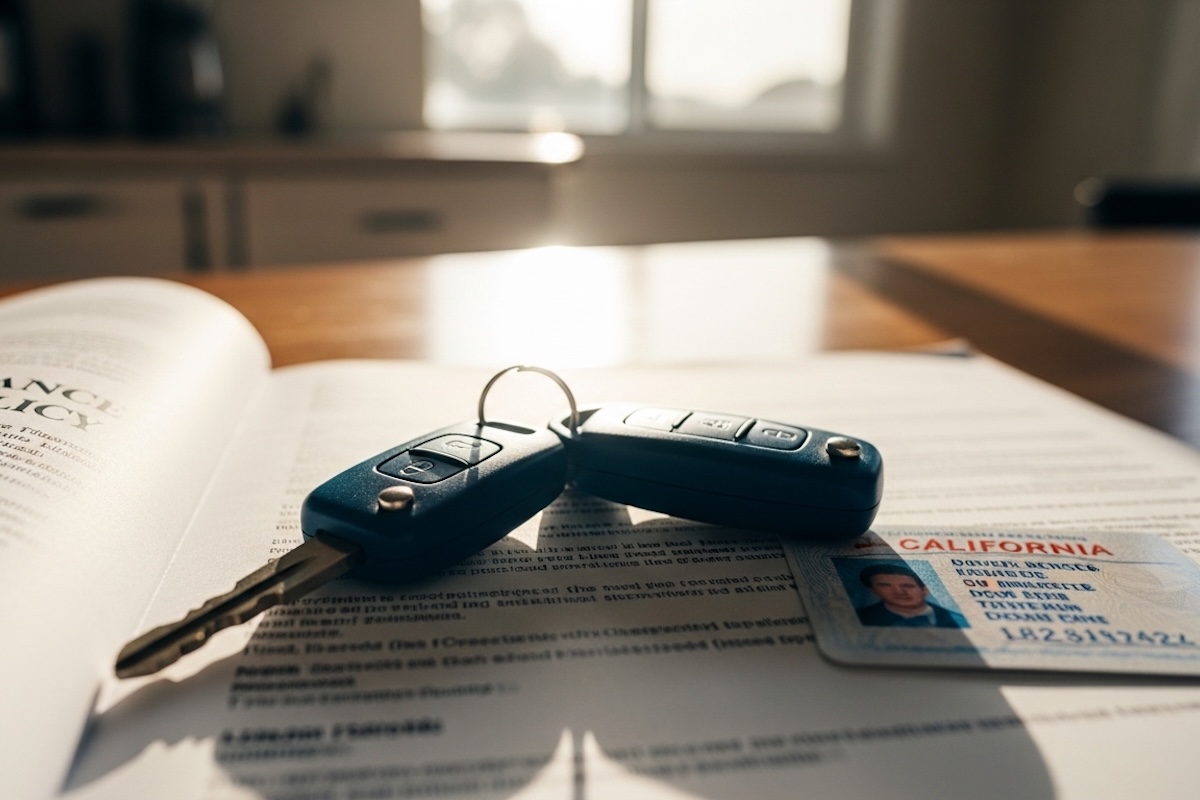
Full coverage in California runs about $2,417 a year on average. Liability-only? Around $742. That’s nearly $1,700 you could put toward rent, groceries, and your kid’s braces. So the question becomes pretty simple: can you get away with just liability, or are you gambling with money you don’t have?
The answer depends on a few things. Like the fact that “full coverage” is a phrase the insurance industry made up. Or that California’s legal minimums haven’t budged since 1985, and they barely covered a fender bender back then.
Let’s break this down.
Conclusiones principales
- “Full coverage” isn’t a real insurance term. The Insurance Information Institute confirms it’s just shorthand for liability plus comprehensive and collision. It still leaves gaps, including rental reimbursement, gap insurance, and rideshare coverage.
- California only requires liability at the 15/30/5 level, meaning $15,000 per person for bodily injury, $30,000 per accident, and $5,000 for property damage. The average collision repair now costs $4,721 nationally.
- One in six California drivers has no insurance at all. If an uninsured driver hits you and you only carry liability, your policy pays you nothing. Zero.
- Dropping full coverage saves real money but carries real risk. If your car is worth under $4,000 and you have savings to absorb a total loss, liability-only might make sense. Otherwise, you’re betting against yourself.
What Does Liability Car Insurance Cover in California?
Liability insurance pays for damage you cause to other people and their property. That’s it. If you rear-end someone on the 405, your liability coverage pays for their car repairs and their medical bills. Your car? Your injuries? Those are your problems.
California Vehicle Code Section 16056 requires every driver to carry minimum liability insurance. The current minimums are:
- $15,000 bodily injury per person
- $30,000 bodily injury per accident
- $5,000 daños a la propiedad
Those numbers look reasonable until you realize what things actually cost. The average economic cost per injured crash victim is $101,000, according to the National Safety Council. Your $15,000 bodily injury limit doesn’t even cover an ER visit and a week of follow-up care. And $5,000 for property damage? Average collision repair costs about $4,000. In California, where labor rates and parts run higher, that number climbs past $5,600.
So if you cause an accident and your coverage maxes out, the injured person can sue you personally for the rest. That’s money from your savings, your wages, and potentially even your home equity.
What Does “Full Coverage” Car Insurance Actually Include?
Here’s the thing nobody at the insurance company will say plainly: “full coverage” doesn’t exist as a defined product. When people say it, they usually mean liability plus two additional types of coverage.
Cobertura Completa covers damage that doesn’t come from a collision. Theft, vandalism, hail, a tree falling on your car, or hitting a deer. Stuff that happens to your car while it’s just sitting there or through no fault of another driver.
Colisión coverage covers damage to your vehicle from an accident, regardless of who caused it. You run a red light and hit a pole? Collision pays for your car. Someone T-bones you at an intersection? Also collision.
But even with both of those added to your policy, you’re still not covered for everything. The California Department of Insurance points out that standard policies typically exclude rental car reimbursement, new car replacement, roadside assistance, and gap insurance. That last one matters a lot if you’re financing.
Why Does Gap Insurance Matter If You Have a Loan?
Say you bought a new car two years ago for $35,000. You still owe $28,000 on the loan. But thanks to depreciation, since vehicles lose roughly 20% of value in year one and keep dropping from there, your car might only be worth $22,000 today. You get in an accident, total the car, and your “full coverage” insurance pays you $22,000. Actual cash value.
You still owe the bank $28,000. That’s a $6,000 gap you have to pay out of pocket. With money you probably don’t have, because you just lost your car.
Gap insurance covers that difference. But most people don’t buy it. And it’s never included in a standard “full coverage” policy.
If you’re financing or leasing, the Consumer Financial Protection Bureau notes your lender will require comprehensive and collision coverage. That’s non-negotiable. But they won’t necessarily require gap coverage, even though that’s the piece most likely to leave you underwater.
Should You Choose Liability-Only or Full Coverage?
This is where it gets personal. There’s no universal right answer, but there’s a pretty clear framework.
Liability-only could work if your car is paid off, worth less than $3,000 to $4,000, and you have enough savings to replace it tomorrow if it’s totaled. Consumer Reports suggests dropping comprehensive and collision when annual premiums exceed 10% of your car’s value. If you’re paying $800 a year in collision premiums on a car worth $3,500, you’re basically pre-paying for a total loss at a bad exchange rate.
Full coverage makes more sense if you’re still making payments, your car is worth more than you can afford to replace, or you live in a high-risk area. And if you’re in Los Angeles, you’re in a high-risk area. LA County had over 54,800 injury collisions in 2023, and full coverage there averages around $2,814 a year, about 17% more than the state average.
Here’s the factor most insurance comparison articles skip entirely: California’s uninsured motorist rate sits at 16.6%. That’s roughly one in six drivers on the road with no insurance.
If you’re involved in a crash with an uninsured driver and carry only liability coverage, your policy generally will not pay for your vehicle damage or medical expenses. In that situation, your primary option may be to pursue a personal claim against the at-fault driver, which can be difficult if they lack financial resources.
Uninsured/underinsured motorist coverage (UM/UIM) is the single most overlooked line item in California auto policies. It’s what pays your bills when the person who hit you can’t.
What Happens If Your Coverage Falls Short After an Accident?
This is the scenario nobody plans for, but too many people end up living. You chose liability-only to save money. Someone runs a red light and slams into you. Their insurance should pay, right? Maybe. If they have insurance. If their limits are high enough. If their insurer doesn’t lowball you.
When you only carry liability, and someone else causes the accident, you’re relying entirely on the at-fault driver’s policy. If they carry California minimums, that’s $15,000 for your injuries and $5,000 for your car. A single night in the hospital can exceed both of those numbers combined.
If the at-fault driver is uninsured or underinsured, you have to pursue them directly through a personal injury claim. That means hiring an attorney, filing a lawsuit, and hoping they have assets to pay a judgment. The Insurance Research Council found that accident victims who hire attorneys recover 3.5 times more compensation on average than those who negotiate with insurers on their own.
And there’s a clock ticking. California gives you two years from the date of injury to file a personal injury claim and three years for property damage. Miss those deadlines, and you lose your right to sue entirely, no matter how strong your case is.
The Bottom Line for California Drivers
The liability vs full coverage decision comes down to one question: Can you afford to be wrong? If your car gets totaled tomorrow with liability-only coverage, can you absorb that loss and keep your life moving? If the answer is yes and you’ve got a paid-off older vehicle, saving $1,700 a year on premiums is a rational choice.
But if you’re financing, if your car is your lifeline to work, if you’re driving in LA, where accidents happen constantly, and one in six drivers around you has no insurance at all, then cutting coverage to save on premiums is a bet with lousy odds.
And if you’ve already been in an accident and you’re discovering right now that your coverage isn’t enough, know that you have legal options. The at-fault driver’s policy limits aren’t necessarily your ceiling. An attorney can pursue the full compensation you’re owed, regardless of what your own policy says.
Contact DK Law for a free case evaluation. We help California accident victims recover compensation when insurance falls short, and you pay nothing unless we win.
DK All the Way


Desde su primer contacto hasta recibir su compensación, estamos con todos all the way.
Agende una consulta gratuita
Reciba asesoría legal experta sin ningún costo.
En DK Law estamos a su lado — all the way.
¡Agende hoy su consulta gratuita con nuestros expertos!