OWI vs DUI (2026): What’s the Difference in CA, FL, NY & More
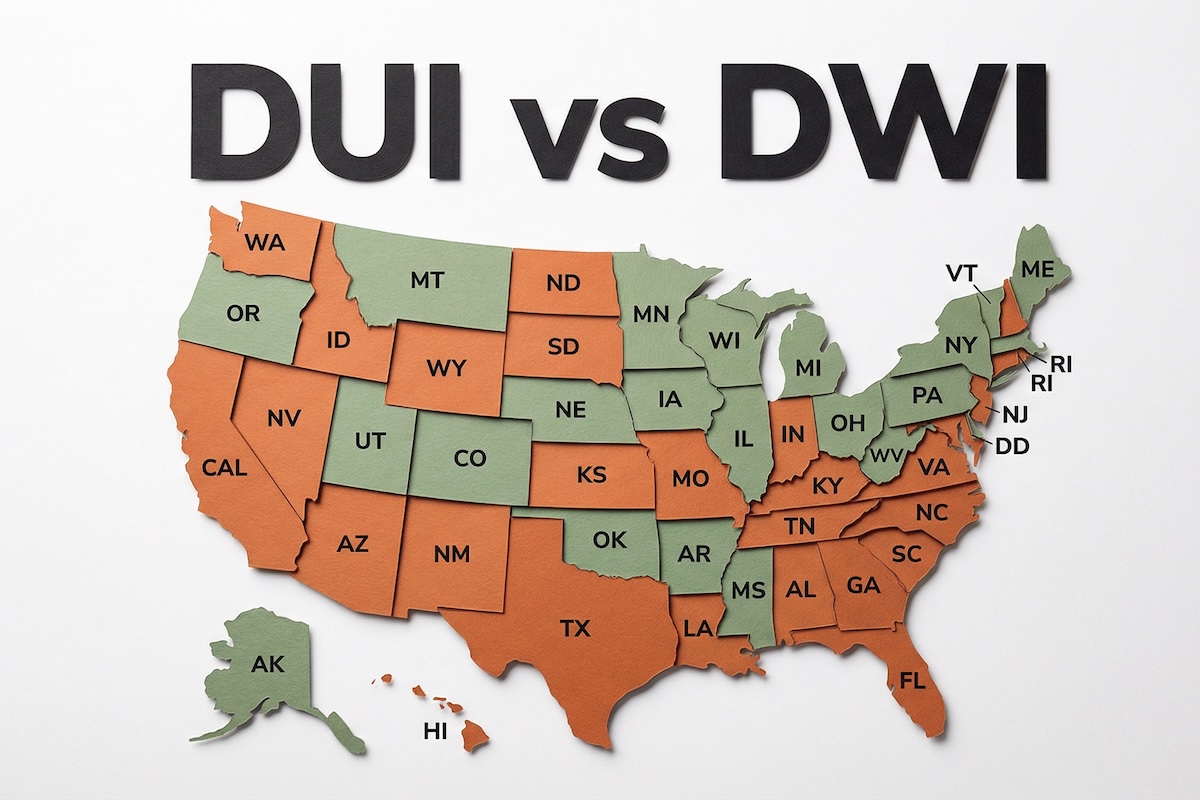
The police report says the driver who hit you was charged with “OWI.” But you’ve only ever heard of DUI. Are they different? Does it matter for your case?
Here’s the short answer: OWI (Operating While Intoxicated) and DUI (Driving Under the Influence) describe the same basic offense. Drunk driving. The terminology just varies by state. But as someone injured by a drunk driver, what really matters is how those criminal charges affect your ability to recover compensation.
A DUI or OWI conviction can strengthen your personal injury case significantly. Let’s break down what these terms mean, what criminal penalties the at-fault driver faces, and how their charges impact your civil claim.
Conclusiones principales
- OWI and DUI both mean drunk driving. Seven states use OWI terminology (including Wisconsin, Michigan, and Iowa), while most states (including California) use DUI. The acronym doesn’t change the severity.
- A conviction helps prove your case. Under California’s negligence per se doctrine, a DUI conviction automatically establishes that the driver breached their legal duty of care. You won’t need to argue they were “careless.” The conviction does that for you.
- You may be entitled to punitive damages. California allows punitive damages when a drunk driver shows “conscious disregard” for safety. These damages punish the driver and aren’t covered by their insurance.
- You don’t have to wait for the criminal case to finish. Your personal injury claim can proceed while criminal charges are pending. In fact, filing early helps preserve evidence.
What Do OWI and DUI Actually Mean?
DUI stands for “Driving Under the Influence.” California and most other states use this term. The focus is on whether the person was driving while impaired.
California Vehicle Code Section 23152 makes it unlawful to drive under the influence of alcohol or drugs. When the driver who hit you violated this law, they didn’t just commit a crime. They also broke a safety statute designed to protect people like you.
OWI stands for “Operating While Intoxicated.” States like Wisconsin, Michigan, and Iowa use this terminology instead. The word “operating” is broader than “driving,” which means these states can prosecute someone even if the car wasn’t moving. But for your purposes as a victim, OWI and DUI function the same way. Both establish that the driver was impaired.
State-by-State Breakdown: OWI vs DUI
| Estado | Term | Multas | Jail Time | License Suspension |
|---|---|---|---|---|
| California | DUI | $390–$1,000 (base fine) | Up to 6 months | 6 meses |
| Wisconsin | OWI | $150–$300 | None (1st offense) | 6–9 months |
| Michigan | OWI | Up to $500 | Up to 93 days | 180 days |
| Florida | DUI | $500–$1,000 | Up to 6 months | 180 days–1 year |
| Texas | DWI | Up to $2,000 | 72 hours–180 days | Up to 1 year |
| Nevada | DUI | $400–$1,000 | 2 days–6 months | 185 days |
| Illinois | DUI | Up to $2,500 | Up to 1 year | 1 year minimum |
Here’s what drunk driving laws look like in the states people search for most.
The criminal penalties the drunk driver faces depend on which state the accident happened in. Here’s what first-offense charges look like in the states people search for most.
California (DUI)
California uses DUI terminology and prosecutes impaired driving aggressively.
- First offense: $390–$1,000 in base fines (total costs exceed $2,000 with assessments), up to 6 months jail, 6-month license suspension
- DUI causing injury under Vehicle Code 23153 is a “wobbler” that can be charged as a felony
- Fourth DUI within 10 years becomes a felony regardless of injury
New York (DWI/DWAI)
New York uses DWI (Driving While Intoxicated) and has a lesser charge called DWAI (Driving While Ability Impaired).
- DWI applies at .08% BAC; DWAI applies at lower levels
- First offense DWI: up to 1 year jail, $500–$1,000 fine, 6-month license revocation
- Vehicular assault while intoxicated is a Class E felony
Texas (DWI)
Texas calls it DWI and imposes some of the steeper first-offense penalties in the country.
- First offense: up to $2,000 fine, 72 hours to 180 days jail, license suspension up to 1 year
- Intoxication assault (DWI causing serious bodily injury) is a third-degree felony with 2–10 years in prison
- Intoxication manslaughter carries 2–20 years
Florida (DUI)
Florida uses DUI and includes “actual physical control” language in its statute.
- Florida Statute 316.193 covers both driving and being in control of a vehicle while impaired
- First offense: $500–$1,000 fine, up to 6 months jail, 180 days–1 year license revocation
- DUI causing serious bodily injury is a third-degree felony
Wisconsin (OWI)
Wisconsin is the primary OWI state with notably lenient first-offense penalties.
- First offense is a civil forfeiture (not a crime): $150–$300 fine, license revocation for 6-9 months, no jail time
- Second offense becomes a misdemeanor
- OWI causing injury is a Class F felony with up to 12.5 years in prison
- Fourth OWI is a felony regardless of how long ago prior offenses occurred
Michigan (OWI)
Michigan uses OWI and has enhanced penalties for high BAC levels.
- First offense: up to 93 days jail, up to $500 fine, 180-day license suspension
- “Super drunk” law (.17% BAC or higher) doubles potential jail time
- OWI causing serious injury is a 5-year felony
Nevada (DUI)
Nevada uses DUI with relatively strict enforcement.
- First offense: 2 days to 6 months jail (or community service), $400–$1,000 fine, 185-day license revocation
- DUI causing substantial bodily harm is a Category B felony
- DUI causing death carries 2–20 years in prison
Illinois (DUI)
Illinois uses DUI with some of the harshest first-offense license consequences.
- First offense: up to $2,500 fine, up to 1 year jail, minimum 1-year license revocation
- Aggravated DUI causing bodily harm is a Class 4 felony
- Aggravated DUI causing death can be a Class 2 felony with 3–14 years
Georgia (DUI)
Georgia uses DUI and imposes mandatory minimum sentences.
- First offense: minimum 24 hours jail, $300–$1,000 fine, license suspension up to 1 year
- Serious injury by vehicle (DUI causing injury) is a felony with 1–15 years in prison
- Mandatory community service on first offense
What Does a DUI Conviction Actually Mean in California?
California treats DUI seriously. Here’s what the process looks like and what penalties someone convicted faces.
The Criminal Process
After a DUI arrest, two separate proceedings kick off. The DMV automatically starts an administrative license suspension, effective 30 days after arrest, unless the driver requests a hearing. Meanwhile, the criminal case moves through the court system, typically taking 3-6 months for a first offense, longer if it goes to trial.
First Offense Penalties
A standard first DUI conviction in California results in:
- Multas: $390–$1,000 base fine, but penalty assessments push the real total to $1,800–$2,600
- Jail: Up to 6 months, though most first offenders receive probation with minimal or no custody time
- License suspension: 6 months (restricted license often available after 30 days with IID installation)
- DUI school: 3-month program for standard DUI, 9 months if BAC was .20% or higher
- Libertad condicional: 3-5 years of informal probation
DUI Causing Injury
When a drunk driver injures someone, the charges escalate. Vehicle Code 23153 makes DUI causing injury a “wobbler,” meaning prosecutors can charge it as a misdemeanor or felony depending on the circumstances.
Felony DUI causing injury carries:
- 16 months to 4 years in state prison (longer with multiple victims or prior DUIs)
- Fines up to $5,000
- Habitual Traffic Offender status for 3 years
- Restitution to victims
Repeat Offenses
Penalties increase sharply with each subsequent DUI within 10 years. A fourth DUI becomes a felony regardless of whether anyone was injured, carrying 16 months to 3 years in state prison.
What If You Were Injured by a Drunk Driver?
The criminal case is between the state and the drunk driver. It can result in fines, jail time, and a conviction on their record. But it doesn’t automatically compensate you for your injuries. That’s what a civil claim does.
How a DUI Conviction Strengthens Your Case
California follows the negligence per se doctrine under Evidence Code Section 669. When someone violates a safety statute, and that violation causes injury, they’re presumed negligent.
In a typical car accident case, you’d need to prove the other driver did something careless. Maybe they were speeding or ran a stop sign. With a DUI conviction, the negligence question is essentially answered. The conviction establishes that they breached their duty of care by driving impaired. You still need to show their impairment caused the crash and that you suffered real harm, but the fault argument becomes much simpler.
Punitive Damages May Be Available
Beyond compensation for medical bills, lost wages, and pain and suffering, California allows punitive damages when a defendant acted with “conscious disregard” for others’ safety. Under Civil Code Section 3294, choosing to drive drunk can qualify.
Two important points: California has no statutory cap on punitive damages, though courts generally keep them proportional to compensatory damages. And insurance policies don’t cover punitive awards. Those come directly from the defendant’s personal assets.
En Resumen
Whether the driver who injured you faces OWI or DUI charges, those criminal proceedings can significantly strengthen your personal injury case. A conviction establishes negligence. Evidence from the criminal case supports your civil claim. And the reckless decision to drive drunk may entitle you to punitive damages beyond your actual losses.
If you’ve been hurt because someone else made an irresponsible choice behind the wheel, speaking with an attorney early can help protect your rights and ensure the full impact of your injuries is taken seriously. Contacte a DK Law para una consulta gratuita.
DK All the Way


Desde su primer contacto hasta recibir su compensación, estamos con todos all the way.
Agende una consulta gratuita
Reciba asesoría legal experta sin ningún costo.
En DK Law estamos a su lado — all the way.
¡Agende hoy su consulta gratuita con nuestros expertos!

El tiempo es importante después de un accidente
Cuanto antes hables con un abogado después de un accidente, más sólido puede ser su reclamo. Actuar pronto ayuda a preservar la evidencia y a proteger sus derechos.
No ganamos, no cobramos | Disponible 24/7