Car Accident FAQs
Involved in a car accident? We’ll answer common questions about liability, common causes of crashes, and insurance.
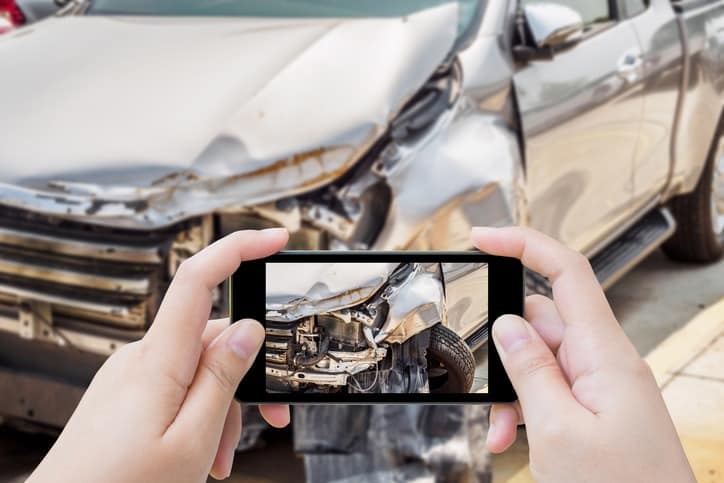
1. What should I do after a car accident?
- Check for injuries and move to a safe location if possible.
- Exchange information with the other driver, document the scene with photos, and call the police to file a report.
- Seek medical attention, even for minor injuries.
- Call your insurance company to tell them you were in an accident, but don’t discuss details.
- Consult with a personal injury attorney to discuss your legal options.
Our Car Accident 101 Guide will show you everything you need to know if you were in a motor vehicle accident.
2. Who is responsible for my medical bills after a car accident?
In at-fault states such as California, the at-fault driver’s insurance is responsible for covering your medical expenses and other related damages. If fault is shared, you may still recover damages from the other party or go through your own insurance company.
3. What if the other driver doesn’t have insurance?
If the other driver doesn’t have insurance, uninsured motorist (UM) coverage becomes crucial. This coverage protects you when an at-fault driver hits you but is uninsured. If you don’t have UM coverage, you may still be able to pursue a personal injury claim directly against the at-fault driver if they have substantial assets.
4. Can I still recover damages if I was partially at fault?
Your ability to recover damages if you are partially at fault depends on your state’s laws. Most states follow a comparative negligence law, meaning you can recover damages even if you are partially at fault. However, your total compensation will be reduced according to your percentage of fault. For example, if you are 30% at fault, you can recover 70% of the available damages.
5. How is fault determined in a car accident?
In most car accident cases, fault is based on the legal concept of negligence. Negligence occurs when a driver fails to exercise reasonable care, and that failure causes the accident.
To prove negligence, you generally need to show a duty of care, breach of duty, causation, and damages.
6. What are common causes of car accidents?
Car accidents are usually caused by some form of driver negligence. Common causes of car accidents include distracted driving, drunk driving, fatigue, speeding, and reckless driving.
DK All the way


From Your Case to Compensation, we take your case all the way.
Schedule a Free Consultation
Get Expert Legal Advice at Zero Cost.
At DK Law we’re with you – all the way.
Get a Free Consultation with our experts today!

Time Matters After an Accident
The sooner you speak with an attorney after an accident, the stronger your claim can be. Early action helps preserve evidence and protect your rights.
No Win No Fee | Available 24×7