Internal Injuries
Injuries that impact the blood vessels or internal organs can be hard to detect, but very serious and even fatal. Prompt medical attention is critical.

Internal injuries are often serious, life-threatening, and sometimes difficult to detect immediately after an accident. Unlike visible cuts or broken bones, these injuries affect organs, blood vessels, or internal tissues, and symptoms may not appear right away.
Understanding the causes, symptoms, and treatment options can help you or a loved one act quickly so you protect your health — and legal rights.
What Are Internal Injuries?
Internal injuries occur when trauma damages organs, blood vessels, or internal tissues. These injuries may not be immediately visible but can be life-threatening if left untreated. They generally fall into two main categories:
- Blunt Trauma: Caused by a strong impact or force that does not break the skin, such as in car accidents, falls, or sports injuries.
- Penetrating Trauma: Occurs when an object pierces the body, such as a knife or bullet, directly damaging internal organs or blood vessels.
Types of Internal Injuries:
- Internal Bleeding: Happens when blood vessels break and blood collects inside the body. Symptoms may be delayed but can become critical quickly.
- Liver Damage: Often causes pain in the upper right side of the abdomen and can lead to severe internal bleeding.
- Kidney Injury: May present with blood in the urine and pain in the flank or lower back.
- Punctured Lungs: Can result from trauma to the chest, causing difficulty breathing and chest pain.
- Spleen Damage: Causes pain in the upper left side of the abdomen and can lead to significant internal bleeding.
- Abdominal Injuries: Injuries to organs such as the pancreas, diaphragm, stomach, gallbladder, bladder, or intestines.
- Traumatic Brain Injuries (TBIs): Damage to the brain caused by impact or jolt to the head.
- Spinal Cord Injuries: Can result in loss of sensation, movement, or function below the injury site.
What Causes Internal Injuries?
Internal injuries can result from sudden trauma or certain medical conditions that affect organs and blood vessels. Common causes include:
- Motor vehicle accidents: Car, motorcycle, and truck crashes are leading causes of blunt force trauma.
- Pedestrian and bicycle accidents: Even at low speeds, the impact of a vehicle can cause serious internal damage to cyclists and pedestrians.
- Falls: Slips, trips, and falls from heights can injure organs, the brain, or spinal cord.
- Contact sports: High-impact sports like football, soccer, ice hockey, and lacrosse may cause organ damage or traumatic brain injuries.
- Workplace accidents: Industrial, construction, or heavy machinery accidents can result in crushing injuries or penetrating trauma.
Read More
- Acts of violence: Stabbings, shootings, or assaults can cause penetrating internal injuries.
- Medical conditions: Certain conditions can lead to internal injuries, including:
- Stroke: Can damage brain tissue and cause internal bleeding in the brain.
- Aneurysm: A ruptured blood vessel can cause life-threatening internal bleeding.
- Other vascular or organ-related conditions: Such as ruptured spleen or liver complications, which may occur spontaneously or after minor trauma.
Because internal injuries can be hidden and symptoms may appear gradually, prompt medical attention is critical—whether the cause is an accident or a medical condition.
Symptoms and Warning Signs of Internal Injuries
Internal injuries can be difficult to detect because they may not show visible signs immediately. Symptoms can appear right away or develop over time, and recognizing them early is critical. Common warning signs include:
- Abdominal pain: Persistent or severe pain may indicate organ damage.
- Tenderness over the injured area: Pain when touching a specific area can signal internal trauma.
- Rigid abdomen: A stiff or hard abdomen may indicate internal bleeding or organ injury.
- Nausea or vomiting: Can accompany abdominal or organ injuries.
- Rapid pulse: May be a sign of internal bleeding or shock.
- Low blood pressure: Can indicate significant blood loss or circulatory problems.
- Loss of consciousness: May result from head trauma, shock, or severe internal bleeding.
- Confusion: Can occur with head injuries, stroke, or blood loss.
- Dizziness or fainting: Often a sign of blood loss or reduced oxygen to the brain.
- Deep purple skin: Can indicate severe internal bleeding or trauma.
- Headache: May signal a traumatic brain injury, stroke, or aneurysm.
- Blood in urine: Suggests kidney, bladder, or internal urinary tract injury.
Diagnosing Internal Injuries
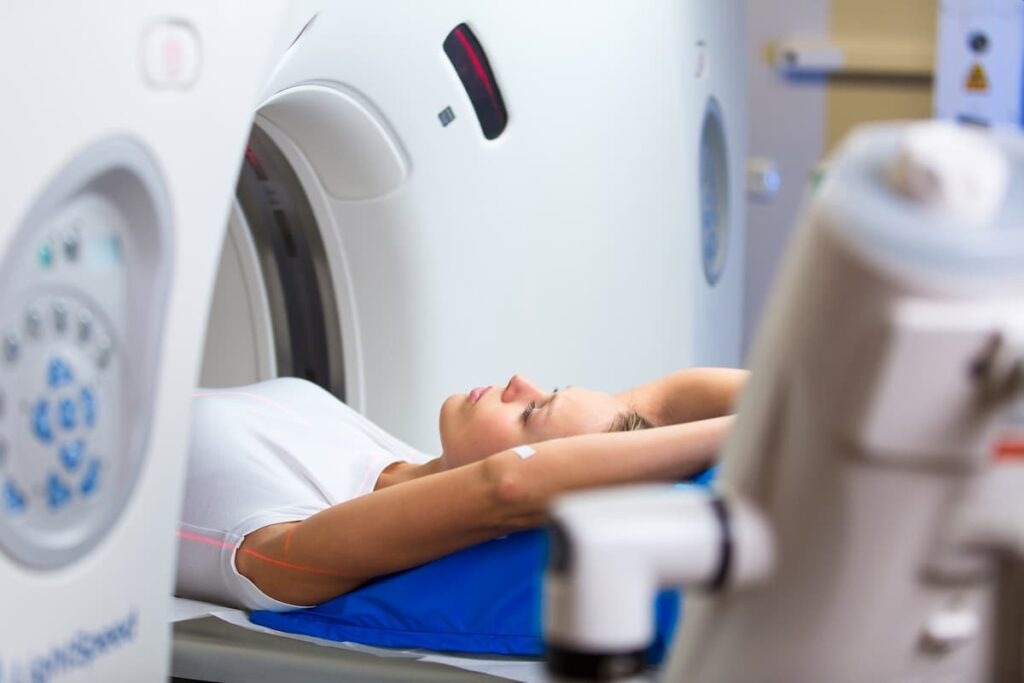
Diagnosing internal injuries can be challenging because symptoms may not always be obvious. Doctors rely on a combination of physical exams, imaging tests, and laboratory studies to accurately assess the extent of the damage. Common diagnostic approaches include:
- Physical Examination: Doctors check for tenderness, swelling, rigidity, and other signs of trauma. Vital signs like pulse, blood pressure, and oxygen levels are closely monitored.
- Imaging Tests:
- CT scans: Provide detailed images of organs, blood vessels, and tissues to pinpoint internal bleeding or organ damage.
- Ultrasound: Often used to detect fluid buildup, internal bleeding, or organ injury.
- Laboratory Tests: Blood and urine tests can reveal internal bleeding, organ dysfunction, or other complications.
- Neurological Evaluation: For suspected traumatic brain injuries (TBIs) or stroke, doctors assess memory, coordination, reflexes, and cognitive function.
Early and accurate diagnosis is essential for effective treatment. Delays can increase the risk of complications, prolong recovery, and, in some cases, be life-threatening.
Complications of Untreated Internal Injuries
Internal injuries can be life-threatening if not promptly diagnosed and treated. Delaying care increases the risk of serious complications, including:
- Severe internal bleeding: Can lead to shock, organ failure, or death.
- Organ failure: Damage to the liver, kidneys, spleen, or other organs may become irreversible without timely treatment.
- Infections: Injuries to the abdomen or organs can lead to life-threatening infections if untreated.
- Traumatic brain injury complications: Untreated TBIs can cause long-term cognitive impairment, memory loss, or permanent neurological damage.
- Spinal cord complications: Delays in treatment can increase the risk of paralysis or loss of mobility.
- Blood clotting issues: Internal bleeding without medical intervention can cause clotting problems, worsening the injury.
- Chronic pain and long-term disability: Even minor untreated injuries can lead to persistent pain or functional limitations.
Your Legal Rights After an Internal Injury
Internal injuries can have serious medical, financial, and personal consequences. If your injuries were caused by someone else’s negligence, you may be entitled to seek compensation. Taking the right steps early can protect both your health and your legal rights.
1. Follow Medical Treatment
Prioritize your health by seeking prompt and ongoing medical care. Proper documentation of your treatment is also critical for any potential legal claim.
2. Talk to an Attorney
A personal injury attorney can help you understand your rights, evaluate your case, and guide you through the claims process. Early legal guidance ensures your claim is handled correctly.
3. File a Claim
If your injuries were caused by another party’s negligence, you can file a personal injury claim. Keep careful records of medical bills, lost wages, and other damages.
4. Get Compensated
You may be entitled to recover compensation for medical expenses, lost income, pain and suffering, and long-term care needs.
Important
In California, you generally have two years from the date of your injury to file a personal injury claim. Acting promptly is essential to preserve your rights.
Frequently Asked Questions (FAQs)
Is an internal injury obvious right away?
Internal injuries are not always obvious right away. Some show immediate signs, but others (especially internal bleeding, organ damage, or brain bleeds) can be subtle or delayed for hours, days, or even longer.
How serious are internal injuries?
Internal injuries are very serious because they often involve vital organs, blood vessels, or the brain — and the damage isn’t always visible from the outside. Even relatively small internal injuries can quickly become life-threatening if untreated.
Read More
Who is going to cover my medical bills?
If someone else’s negligence caused your injury, you can file a personal injury claim to recover your medical bills, lost wages, pain and suffering, and other out-of-pocket expenses.
Do I need a lawyer?
Sustaining an injury can seriously impact your life and your future. Personal injury lawyers understand the hardships that follow an accident and can help you pursue compensation, navigate insurance claims, and protect your rights.
How DK Law Helps Internal Injury Victims Recover
Suffering a traumatic internal injury can be overwhelming, both physically and emotionally. At DK Law, we understand the challenges victims face, from complex medical treatments to financial burdens. Our team is dedicated to providing compassionate, personalized legal support to help you focus on recovery while we handle the legal process.
We help internal injury victims by:
Providing Expert Guidance
Our team will explain your legal options clearly and help you make informed decisions every step of the way, from consultation to compensation.
Negotiating with Insurance Companies
Our experienced attorneys will advocate for a fair settlement and ensure your claim is not undervalued.
Representing You in Court if Needed
If the insurance company is playing hardball, we’ll take your case to trial to secure the compensation you deserve.
Supporting Your Recovery
You don’t have to go through this alone. We’ll help you seek damages for medical expenses, lost wages, pain and suffering, and long-term care needs.
At DK Law, our goal is to be a trusted partner during a difficult time, fighting for your rights and helping you get the resources you need to move forward. Start with a free consultation today.
Additional Resources
Below are a few helpful resources to guide you through treatment and recovery.
American Red Cross – Provides emergency response services, disaster relief, and health and safety education to help individuals recover from accidents and injuries.
California Department of Rehabilitation (DOR) – Offers services and support to help individuals with disabilities, including those recovering from serious injuries, achieve employment and independence.
Brain Injury Association of America (BIAA) – Offers resources, advocacy, and support for individuals and families affected by traumatic brain injuries.
Shepherd Center – A specialized rehabilitation hospital providing care and therapy for people with spinal cord injuries, brain injuries, and other severe physical trauma.
DK All the way


From Your Case to Compensation, we take your case all the way.
Schedule a Free Consultation
Get Expert Legal Advice at Zero Cost.
At DK Law we’re with you – all the way.
Get a Free Consultation with our experts today!