International Student Car Accident Tips
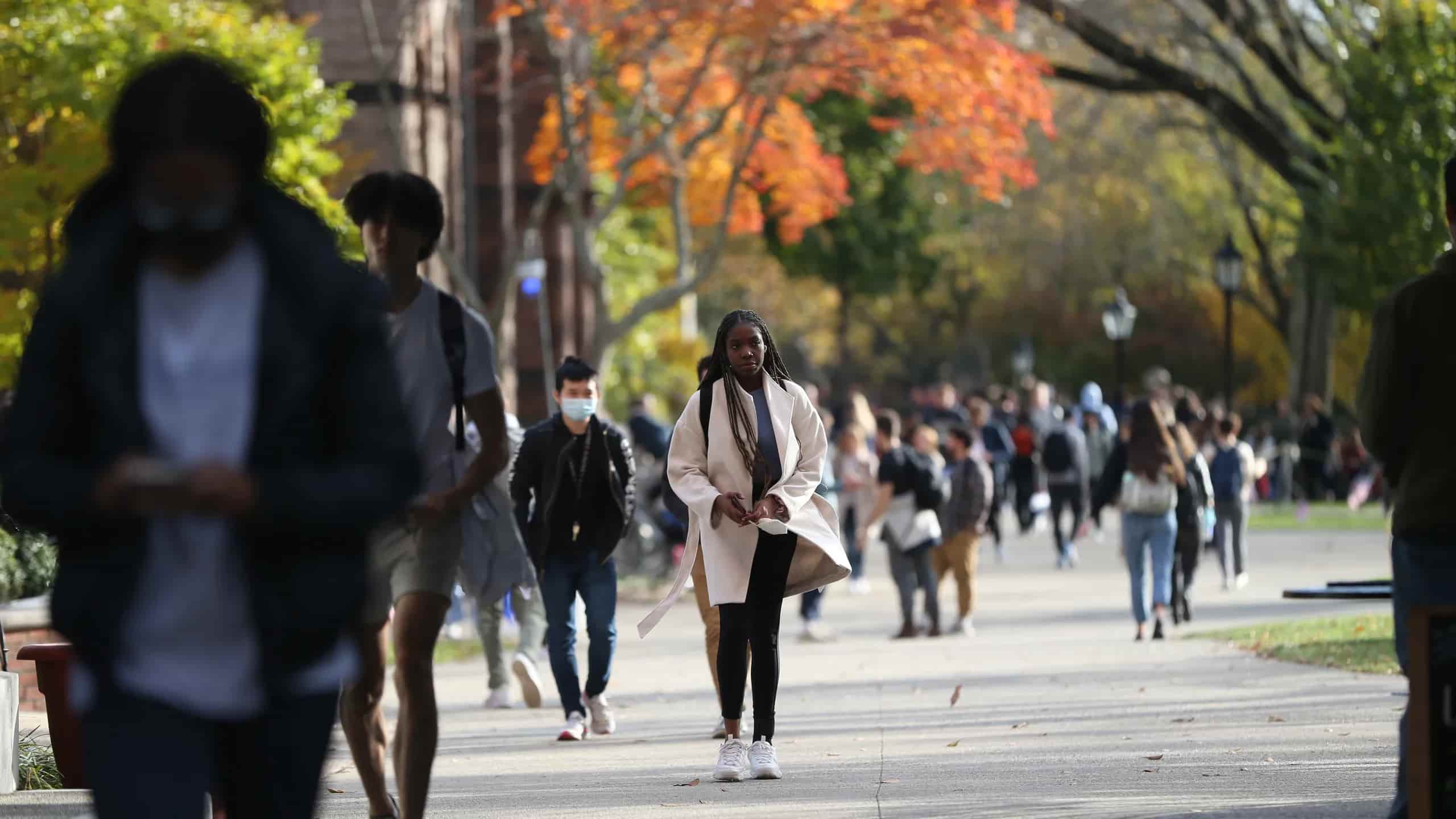
According to the latest data from EdSource, California has the highest number of international students in the U.S., with 1.4 million students enrolled in the 2022-2023 school year. In Orange County, with internationally recognized universities, including UC Irvine, Cal State Fullerton, and Chapman University, foreign students make up a large part of these communities.
If you are an international student, it is important to know what to do if you are ever involved in a car accident. For more information, contact DK Law at (800) 719-9779 for free legal advice.
Getting a Driver’s License As an International Student
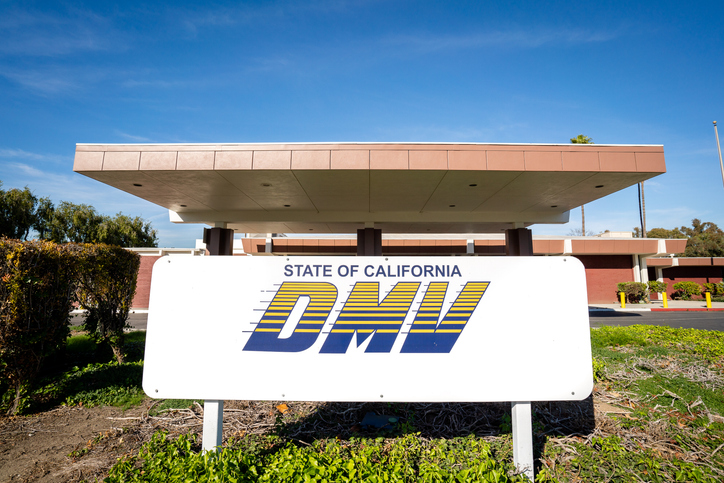
If you are an international student and would like to drive in California, you must have either a valid international driver’s permit (IDP) or a U.S. driver’s license. An IDP must be issued in the same country as your driver’s license. So, if you are a student from the United Kingdom, your permit must be issued in your home country.
An IDP is essentially a translation of your national driving license. It ensures that you, as the driver, are an authorized driver.
Anyone who does not have an IDP or wishes to remain permanently in the U.S. must have a valid driver’s license, regardless of citizenship status.
To get a valid California driver’s license or Real ID, you will need to visit a California Department of Motor Vehicles (DMV) office and bring your passport, visa, and proof of residency, like a utility bill. Once you have provided the required documents, you will need to take the following steps:
- Fill out an Application: You must first complete the Driver’s License or Identification Card Application (DL 44).
- Pass a written test: Take the written knowledge test, which covers California traffic laws and road signs. You can study using the California Driver Handbook.
- Take a vision test: You must pass a vision test to ensure you meet the minimum eyesight standards.
- Pass a driving test: Take and pass the driving test, which assesses your ability to safely operate a vehicle.
- Pay the required fees: A standard Class C California license costs $45.
- Receive your license: After you pass the required written and driving tests, you will receive a temporary license. Your real license will be mailed to you.
Minimum Auto Insurance Liability Requirements
After obtaining a driver’s license or permit, you will need to purchase car insurance. All California drivers are legally obligated to maintain the minimum liability insurance requirements as follows:
- $30,000 in bodily injury to one person
- $60,000 in bodily injury for more than one person
- $15,000 in property damage
Other acceptable forms of insurance are a DMV-issued self-insurance certificate, a cash deposit of $35,000 with the DMV, or a surety bond for $35,000.
It is strongly recommended that drivers purchase more than the minimum liability insurance requirements and purchase comprehensive or collision insurance and Personal Injury Protection (PIP) for themselves in the event of an accident.
International students also have the option of purchasing short-term car insurance and non-owner car insurance.
Driving Rules in California
![Jason McQueary Arrested, Carlie Rose Killed in DUI 2-Car Accident on Seminole Drive [Cabazon, CA]](https://dklaw.com/wp-content/uploads/2024/08/speed-limit-california.jpg)
Driving is different in every country. If you are new to California, you must be aware of the rules of the road that everyone must follow – this includes drivers, motorcyclists, pedestrians, and bicyclists. Failing to obey traffic rules frequently results in traffic accidents, both minor and serious.
Here are some important traffic rules to know:
- Right Turn on Red: You are allowed to make a right turn on red as long as there is no oncoming traffic and no sign prohibiting the turn. Always come to a complete stop before turning and yield to pedestrians and other vehicles.
- Speed Limits: Observe posted speed limits at all times. In residential areas, the speed limit is generally 25 mph unless otherwise posted. On highways, the speed limit can range from 55 to 70 mph, depending on the area.
- Seat Belts: All drivers and passengers are required by law to wear seat belts.
- Pedestrian Right of Way: Always yield to pedestrians at crosswalks. Pedestrians have the right of way at intersections, whether or not the crosswalk is marked.
- Use of Mobile Devices: It is illegal to use a handheld mobile phone while driving unless you are using it in hands-free mode. Texting while driving is also prohibited.
- Driving Under the Influence: Driving under the influence of alcohol or drugs is illegal and carries severe penalties. The legal blood alcohol concentration (BAC) limit in California is 0.08% for drivers.
- Bicyclist Rules: Bicyclists must follow the same rules of the road as motor vehicles. Drivers should give at least three feet of space when passing a bicyclist.
By familiarizing yourself with these and other traffic rules, you can help ensure your own and others’ safety on the road.
Immediate Actions after a Car Accident
Navigating the aftermath of a car accident can be complex and intimidating for an international student. Here is what to do if you are ever in a collision:
- Move to safety: Move to a safe location away from oncoming traffic and call 911.
- Remain on the scene: Stay at the accident scene and provide the police with the necessary information. If you are injured, emergency medical services will transport you to the hospital.
- Exchange information: Get the name, phone number, license plate number, driver’s license number, and insurance details of the other driver involved.
- Take photos of the accident scene: If you can, take photos of the vehicle damage, where the accident happened, and any visible injuries.
- Notify your insurance company: Report the accident to your auto insurance provider as soon as possible. Be careful when speaking to the insurance company of the other vehicle.
- Seek medical treatment: Even if you feel fine, it’s important to get checked by a medical professional. Some injuries may not be immediately apparent. Keep track of all of your medical records.
- Consult an attorney: If you are unsure about your legal rights or face difficulties with insurance claims and communicating with the other party, talk to a local attorney who specializes in car accidents. They can provide support and help you understand this complex situation.
By familiarizing yourself with these and other traffic rules, you can help ensure your own and others’ safety on the road.
What to Do as a Pedestrian or a Bicyclist
![Pedestrian Seriously Injured after Hit by Vehicle at North First Street and East Mission Street [San Jose, CA]](https://dklaw.com/wp-content/uploads/2024/08/push-button-to-cross.jpg)
Many students decide not to have a car while they are studying in the U.S. Instead, they choose to bike or walk to campus and the surrounding areas. If you frequently walk or bike, you will likely be walking by or next to motor vehicles.
If you are ever in a collision with a vehicle as a pedestrian or bicyclist, follow the above steps. It is very important to obtain the driver’s information, as they will be responsible for your injuries if they are found at fault.
California is a fault-based state, which means the person at fault for the accident is responsible for any resulting injuries or other losses. Even if you bear some responsibility, you can still recover compensation under California’s pure comparative negligence law.
Contact DK Law

Suffering from injuries in a car accident is very stressful, especially when it happens in another country. If you are ever involved in an accident as an international student, do not panic. With these international student car accident tips, you will be prepared in the event of a collision. DK Law specializes in helping international students obtain financial compensation after an accident that was not their fault.
We understand the unique challenges you may face, such as dealing with insurance claims, medical expenses, and potential language barriers. Our law firm is available 24/7 to take your call. Please give our lawyer a call at (800) 719-9779.
DK All the way


From Your Case to Compensation, we take your case all the way.
Schedule a Free Consultation
Get Expert Legal Advice at Zero Cost.
At DK Law we’re with you – all the way.
Get a Free Consultation with our experts today!