


Everything You Should Know About California E-Bike Laws
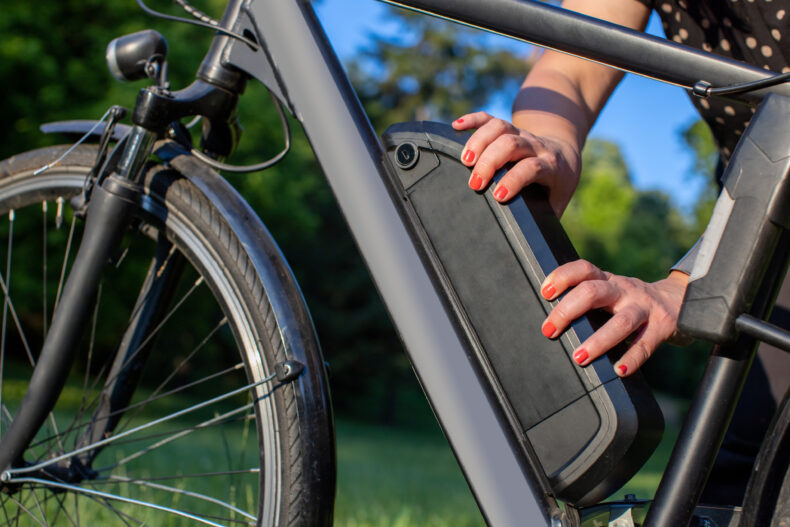
Electric bicycles, or e-bikes, are becoming increasingly popular as a convenient and eco-friendly way to get around. In fact, U.S. consumers bought more electric bikes than electric cars in 2021. According to the Light Electric Vehicle Association, the U.S. imported nearly 790,000 electric bikes, compared to 652,000 electric vehicles. Additionally, the state of California is offering enticing incentives for buying electric bikes, including a rebate program.
But what exactly is an electric bike, and what are the rules for riding one in California? If you or someone you know rides an electric bike, it’s important to know California electric bike laws so you can stay safe on the road.
What Are Electric Bikes?
Electric bikes are bicycles equipped with “fully operable” pedals and an electric motor of less than 750 watts, or equivalent to 1 horsepower. They are classified into three categories:
Class 1 Electric Bicycles
California state law classifies these e-bikes as only having a motor that “assists.” The motor kicks in only when the rider is pedaling and stops providing assistance when the electric bike reaches 20 mph. Class 1 e-bikes are legally allowed to ride anywhere traditional bicycles are accepted, including bike paths and bike lanes.
Class 2 Electric Bicycles
Electric bikes that fall under Class 2 have a throttle that provides a boost without pedaling. Like the Class 1 e-bike, it stops providing assistance when it reaches 20 mph. You can generally ride them in the same places as a regular bike.
Class 3 Electric Bicycles
These e-bikes have a motor that assists only when the rider is pedaling and stops providing assistance when it reaches 28 mph. These e-bikes also have a speedometer. California does not allow Class 3 e-bikes to have a throttle.
Riders must obey the following rules when operating a Class 3 electric bicycle in California:
- Must be 16 years old or older
- Must wear a bicycle helmet
- Not allowed to carry passengers
- Can ride in a bicycle lane if allowed by city or local government
Additional California E-Bike Laws
Electric bikes are generally treated the same as conventional bicycles. Riders do not need a license to ride an electric bicycle in California, nor are they required to have registration or a license plate. On the other hand, e-bike riders are not allowed to alter or modify their electric bikes.
California’s OmniBike Bill (AB 1909) expanded access for e-bikes and took effect on January 1, 2023. Under the bill, cities and local ordinances can no longer prohibit e-bikes from most bike paths except hiking, equestrian, and recreational trails. This bill effectively gives more freedom and access to electric bicycles.
While motorized bicycles, or mopeds, are similar to electric bikes, they fall into the category of motorcycles and not bicycles under California law.
What Are E-Bike Helmet Laws?
Under California’s bicycle helmet law, all cyclists under the age of 18 are required to wear a helmet while riding. However, helmet requirements for e-bikes vary slightly depending on the class of the bike:
- Riders under 18 years old must wear a helmet when riding any class of e-bike.
- Riders 18 years or older must wear a helmet when riding a Class 3 e-bike, but not when riding a Class 1 or Class 2 e-bike.
E-Bike Safety Tips
Like all bicycle riders, cyclists operating e-bikes must follow the same safety precautions. Here are some steps you can take to enhance your e-bike safety:
- Know the laws: Under California law, all e-bikes must have a maximum motor power of 750W. They must also have a sticker showing the class designation.
- Wear a helmet: Wearing a helmet reduces head injuries by 48%, according to a study by the Insurance Institute for Highway Safety.
- Check the battery: Check your e-bike’s battery level before you start your ride and make sure you have enough charge to complete your trip.
- Maintain your bike: Check your brakes, tires, lights, chain, gears, and battery. Clean your e-bike after each ride and store it in a dry place.
- Respect the rules of the road: Follow the same rules of the road as regular bicycle riders, such as obeying traffic signals, signs, and laws; riding with traffic; signaling your intentions; and being visible and alert.
- Use lights and reflectors: Cyclists must take extra precautions when riding at night. Equip your bike with headlights and reflectors.
California Electric Bike Accident Lawyers
If you are involved in an accident while riding an e-bike in California, you may be entitled to compensation for your injuries and damages. However, you may also face some challenges in proving your case and dealing with insurance companies.
That’s why you need a California electric bike accident lawyer who can help you simplify the process and regain your livelihood. Our legal team is available to discuss your case 24/7. Call us at (844) 573-0470 or contact us here.
DK All the way


From Your Case to Compensation, we take your case all the way.
Schedule a Free Consultation
Get Expert Legal Advice at Zero Cost.
At DK Law we’re with you – all the way.
Get a Free Consultation with our experts today!

Time Matters After an Accident
The sooner you speak with an attorney after an accident, the stronger your claim can be. Early action helps preserve evidence and protect your rights.
No Win No Fee | Available 24×7