Spinal Cord Injuries
Spinal cord injuries can result in permanent changes to strength, sensation, and bodily functions below the injury site.

Injuries to the vertebrae or spinal cord (the bundle of nerves that connects the brain to the rest of the body) are some of the most serious consequences of slip and fall incidents, motor vehicle accidents, or work-related accidents. These injuries can lead to chronic pain, changes in strength and sensation, and sometimes paralysis.
In California, spinal cord injury victims often face an uphill battle securing maximum compensation. Here’s what you need to know about symptoms, treatment, and your legal rights.
What Is Considered a Spinal Cord Injury (SCI)?
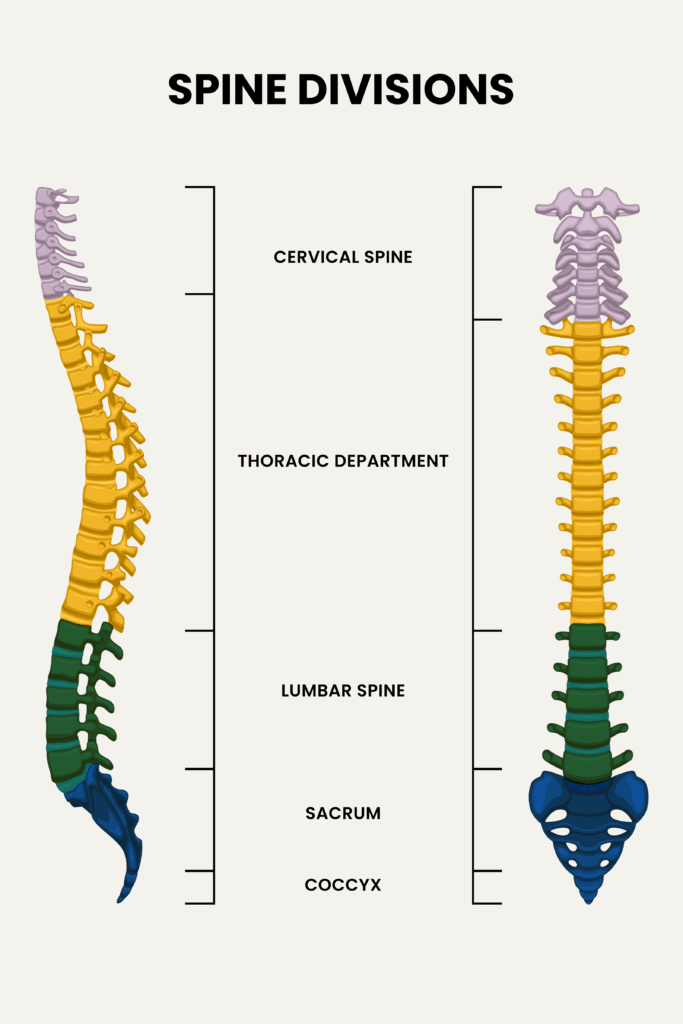
The spinal cord is a vital part of the central nervous system, acting as the communication highway between your brain and the rest of your body. Protected by the spinal column, it transmits messages through a network of spinal nerves — allowing you to move, feel sensations, and control bodily functions.
There are 31 pairs of spinal nerves, and they’re grouped based on where they exit the spinal column:
- Cervical nerves – neck and upper limbs
- Thoracic nerves – chest and upper back
- Lumbar nerves – lower back and legs
- Sacral nerves – pelvis and lower limbs
- Coccygeal nerve – tailbone area
A spinal cord injury (SCI) occurs when this system is damaged — whether by trauma, compression, or disease — and it can result in partial or complete loss of motor function and sensation below the site of the injury. According to the World Health Organization (WHO), over 15 million people are currently living with a SCI.
Common Causes of Spinal Cord Injuries
Spinal cord injuries are most often the result of a sudden, traumatic impact that damages the spinal cord or the surrounding vertebrae. The most common causes include:
- Motor Vehicle Accidents – Car, motorcycle, truck, and pedestrian crashes are a leading cause of spinal injuries, especially when there’s high-speed impact or rollover.
- Slip and Fall Accidents – Falls from heights or even ground-level slips, particularly among older adults, can result in spinal damage.
- Sports and Recreational Injuries – Contact sports like football, diving accidents, or extreme sports can cause serious spinal trauma.
- Acts of Violence – Gunshot wounds, stabbings, or other physical assaults can directly damage the spinal cord or its protective structures.
While trauma is the most common cause, spinal cord injuries can also occur from non-traumatic conditions, including:
- Osteoporosis – Weakening of the bones increases the risk of spinal fractures.
- Multiple Sclerosis – This autoimmune condition can affect nerve function in the spinal cord.
- Cancer or Tumors – Growths pressing on the spinal cord can disrupt normal function or cause permanent damage.
Read More
Risk Factors to Be Aware Of
Certain individuals may be at higher risk of spinal cord injuries due to:
- Sex (Men make up 79% of new traumatic SCI cases)
- Age (younger adults in vehicle crashes, older adults in falls)
- Participation in high-impact sports
- Unsafe working conditions
- Underlying medical conditions like arthritis or spinal degeneration
Understanding the cause and contributing factors of a spinal injury is a crucial part of any personal injury claim. If someone else’s negligence caused your injury — whether in a car crash, unsafe premises, or a violent incident — you may be entitled to compensation for your medical bills, lost wages, and long-term care.
Symptoms of a Spinal Cord Injury
The spinal cord runs from the base of the skull down to the tailbone, making it vulnerable to injury in accidents that affect the head, neck, back, or lower spine. Even seemingly minor trauma in these areas can result in serious spinal damage — sometimes without immediate warning signs.
Common symptoms of a spinal cord injury may include:
- Persistent back or neck pain
- Numbness or tingling in the arms, hands, legs, or feet
- Loss of movement or coordination
- Pain or weakness in the extremities
- Muscle spasms or uncontrollable reflexes
- Difficulty breathing or shortness of breath
- Loss of bladder or bowel control
- Sexual dysfunction or impaired sensation
It’s important to know that symptoms don’t always appear right away. In many cases, signs of a spinal injury may show up hours, days, or even weeks after the accident, especially if adrenaline or other injuries are masking them.
If you’ve experienced any trauma to your back or neck — even if you feel “okay” — it’s critical to seek medical attention immediately. Early diagnosis can prevent further damage and strengthen any potential legal claim.
Diagnosis

Diagnosing a spinal cord injury typically begins with a physical exam and a detailed review of the accident or incident that caused the trauma. Because symptoms don’t always appear right away, doctors rely on both clinical signs and imaging tests to confirm the extent of the injury.
Here’s how the diagnosis process usually works:
1. Initial Assessment
First responders or emergency room doctors will check for:
- Loss of movement or sensation
- Breathing difficulties
- Spinal tenderness or pain
- Bladder or bowel control issues
Any sign of spinal injury is treated as serious until ruled out.
2. Imaging Tests
To get a clearer view of the spinal cord and surrounding bones and tissues, doctors may order:
- X-rays – to detect fractures, dislocations, or degenerative changes
- Computed tomography (CT) scans – to provide detailed cross-sectional images of bones and potential spinal damage
- Magnetic resonance imaging (MRI) – to detect injuries to soft tissue, ligaments, discs, and the spinal cord itself
These tests help determine whether the injury is complete or incomplete, and where exactly along the spine the damage has occurred.
3. Neurological Evaluation
Doctors may also perform a neurological exam to assess:
- Reflexes
- Sensory function
- Muscle strength
- Coordination and balance
This step helps measure the level of impairment and guides treatment or rehabilitation planning.
Without the right diagnosis, victims of spinal injuries may suffer unnecessary complications and lose out on fair compensation. The spinal cord injury lawyers at DK Law fight to make sure our clients get the care they need and the compensation they deserve.
Treatment for Spinal Cord Injuries
Treatment for a spinal cord injury depends on the severity, location, and type of damage — whether the injury is considered complete (total loss of function below the injury site) or incomplete (some function or sensation remains).
While spinal cord injuries often require long-term care, early intervention can make a major difference in outcomes.
1. Emergency Care
The first priority after a suspected spinal injury is to prevent further damage. Emergency responders or ER staff may:
- Immobilize the spine using a neck collar or backboard
- Administer oxygen or medications to reduce inflammation
- Perform emergency surgery if there’s pressure on the spinal cord from a fracture, herniated disc, or bleeding
2. Hospital Treatment
Once stabilized, patients may need:
- Surgery – to repair broken bones, stabilize the spine, or remove fragments
- Medications – to manage pain, reduce swelling, or prevent complications like infections
- Monitoring – for breathing issues, blood clots, or pressure sores
3. Rehabilitation
Rehab typically begins soon after the injury and may include:
- Physical therapy – to rebuild strength, improve mobility, and prevent muscle atrophy
- Occupational therapy – to relearn daily tasks and adapt to physical changes
- Psychological support – to help manage the emotional impact of a life-altering injury
- Assistive technology – including braces, wheelchairs, or mobility aids
Rehabilitation can last months or even years and often becomes a lifelong process.
Who Pays for Treatment?
Spinal cord injury treatment can be extremely expensive, especially when factoring in surgeries, rehab, and long-term care. In 2023, a study published in the Journal of Spinal Cord Injury Medicine reported that the average cost of spinal cord injury–related healthcare in the United States is approximately $347,000 during the first year after injury.
We’ll discuss in the next section who pays for treatment.
Legal Options After a Spinal Cord Injury
If your spinal cord injury was caused by someone else’s negligence — whether in a car accident, slip-and-fall, or workplace incident — you may have the right to pursue legal action.
A spinal cord injury can be physically, emotionally, and financially devastating, and the law gives you a path to seek compensation for what you’ve lost.
When Can You File a Claim?
You may be eligible to file a personal injury claim if your injury resulted from:
- A car, truck, or motorcycle accident caused by another driver
- A fall on someone else’s unsafe property (wet floors, broken stairs, etc.)
- A sports or recreational injury due to lack of supervision or defective equipment
- Workplace accidents, especially in construction or industrial settings
- Violence, including gunshots or physical assault
- Defective products, like malfunctioning helmets, bikes, or safety gear
What Compensation Can You Recover?
A successful spinal injury claim may cover:
- Medical expenses (current and future)
- Lost wages and loss of earning capacity
- Pain and suffering
- Emotional distress
- Rehabilitation and therapy costs
- Home modifications and assistive equipment
- Loss of enjoyment of life or independence
In tragic cases, a wrongful death claim may be available to surviving family members.
Important
If you have questions about whether your injury was caused by negligence, reach out to an attorney. They can help you determine if you have a valid claim.
Frequently Asked Questions (FAQs)
Can a spinal cord injury be cured?
Unfortunately, there is no cure for a spinal cord injury. However, medical advances, rehabilitation, and supportive care can improve function, independence, and quality of life.
What are the most common causes of spinal cord injuries?
Spinal cord injuries often result from car accidents, falls, sports accidents, acts of violence, and medical or surgical errors.
What are the long-term effects of a spinal cord injury?
The effects vary depending on the severity and location of the injury. They may include paralysis, chronic pain, loss of bladder or bowel control, respiratory issues, and significant changes in lifestyle.
Read More
How much is my spinal cord injury case worth?
The value depends on many factors, including the severity of your injury, your medical expenses, lost wages, need for ongoing care, and the impact on your quality of life. An experienced lawyer can help assess the potential value of your claim.
How long do I have to file a spinal cord injury claim in California?
In most cases, you have two years from the date of injury to file a personal injury lawsuit in California. Some exceptions may apply, so it’s best to speak with a lawyer as soon as possible.
Will my spinal cord injury case go to trial?
Many cases are resolved through settlements with insurance companies. However, if a fair settlement cannot be reached, your case may go to trial. Your attorney will prepare you for both possibilities.
Why should I hire a spinal cord injury lawyer?
A lawyer can help handle insurance companies, gather medical evidence, calculate damages, and pursue maximum compensation — all while you focus on recovery.
How DK Law Helps Victims of Spinal Cord Injuries
Those who suffer injuries to the spine face difficult paths to recovery. These kinds of injuries require thorough, attentive, long-term medical care. At DK Law, our lawyers are committed to helping our clients receive the necessary care to recover from their injuries.
Professional Knowledge
After an accident, injuries need to be diagnosed quickly and accurately. Our lawyers leverage a trusted network of medical professionals to perform the right tests, ask the right questions, and provide clients with accurate diagnoses and effective treatment options.
Fair Compensation
Our team works to win clients fair compensation for their injuries. We believe that “fair compensation” covers past and future medical expenses, loss of income, emotional damage, pain and suffering, and more.
Extensive Medical Network
At DK Law, we connect clients with the best medical providers in the area, including physicians, chiropractors, physical therapists, radiologists, orthopedic surgeons, pain management specialists, neurologists, and others.
No Win, No Fee
Our firm works on a “no win, no fee” policy, also known as a contingency fee arrangement. This means you don’t pay any upfront costs for our legal services. We only get paid if we successfully secure compensation on your behalf. This approach allows you to focus on recovery without worrying about the financial risk of hiring a lawyer. Reach out to us today for a free consultation.
Additional Resources
Below is a curated list of organizations and services offering information, support, and research related to spinal cord injuries (SCI):
Read More
Christopher and Dana Reeve Foundation – Dedicated to curing spinal cord injury by funding innovative research and enhancing quality of life for people living with paralysis.
Craig H. Neilsen Foundation – The largest private funder in the U.S. and Canada supporting spinal cord injury research, rehabilitation, clinical training, and programmatic initiatives.
Disability Information and Assistance Line (888-677-1199) – A helpful information service offering guidance on SCI and related rehabilitation.
National Rehabilitation Information Center (NARIC) – Operated by NIDILRR, NARIC provides abstracts and comprehensive documentation of rehabilitation and disability research, accessible via its REHABDATA database.
North American Spinal Cord Injury Consortium (NASCIC) – Fosters collaboration among researchers, care providers, and advocates to advance SCI research, treatment, and policy. Operates under the American Spinal Research Organization in the U.S.
Paralyzed Veterans of America (PVA) – Offers a range of resources including education, research, publications, and advocacy focused on improving SCI/D (spinal cord injury/ disease) care.
United Spinal Association – Provides peer support, advocacy, a resource center (with help desk, live sessions, guides, and podcasts), and an extensive directory of adaptive products and services.
DK All the way


From Your Case to Compensation, we take your case all the way.
Schedule a Free Consultation
Get Expert Legal Advice at Zero Cost.
At DK Law we’re with you – all the way.
Get a Free Consultation with our experts today!