


Traumatic Brain Injuries
A traumatic brain injury (TBI), which can range from a concussion to a coma, is a serious injury that affects how the brain works.
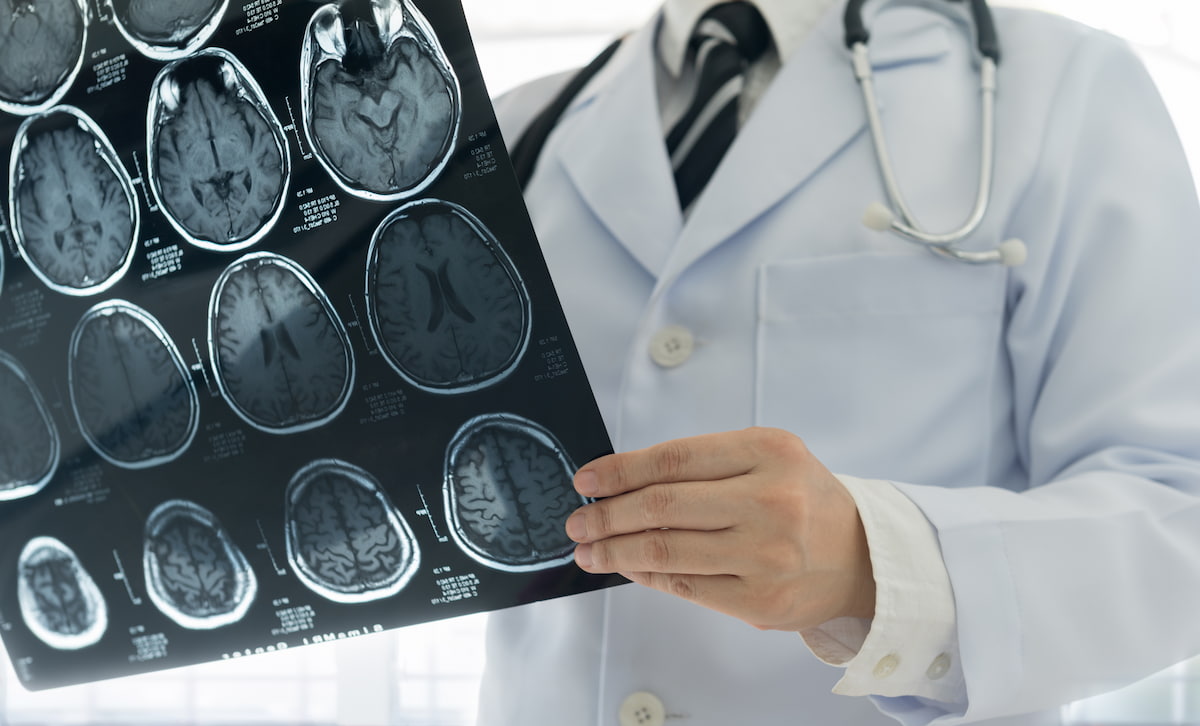
A serious blow or violent jolt to the head can cause a traumatic brain injury (TBI), even without a skull fracture. Because the brain controls every part of the body, the effects of a TBI are often life-altering. Victims may face long, difficult recoveries filled with medical treatments, rehabilitation, and financial strain.
When someone suffers a brain injury because of another person’s or a company’s negligence, they should not have to shoulder those costs alone. At DK Law, our attorneys have years of experience standing up for accident victims and fighting to secure the compensation they deserve.
What Is a Traumatic Brain Injury?
A traumatic brain injury (TBI) occurs when a sudden blow, jolt, or penetrating injury disrupts the normal function of the brain. TBIs range from mild concussions to severe injuries that cause permanent impairment. Even a seemingly minor head injury can have lasting effects on memory, mood, behavior, and cognitive function.
Because the brain controls every system in the body, a TBI can impact nearly every aspect of a person’s life—physical health, emotions, relationships, and the ability to work. Recovery often requires extensive medical care and rehabilitation, and in many cases, the effects can be lifelong.
Two Types of TBI
- Closed: A closed traumatic brain injury happens when the brain is injured without a break or penetration of the skull. These injuries are often caused by falls, car accidents, or violent shaking of the head. Because there is no open wound, symptoms may not appear right away, but swelling, bleeding, or bruising inside the skull can still cause serious and lasting damage.
- Open: An open (or penetrating) traumatic brain injury occurs when an object breaks through the skull and enters the brain tissue. These injuries are usually caused by high-impact accidents or violent incidents. Open TBIs are extremely dangerous, as they often involve direct damage to brain tissue, a high risk of infection, and the need for emergency surgery.
Important
TBIs are often classified as mild, moderate, or severe. A mild TBI is often referred to as a concussion.
Causes of Traumatic Brain Injury
In 2020 alone, over 214,000 people received treatment for a traumatic brain injury (TBI). TBIs can happen in everyday life, and sometimes even a minor incident can have serious consequences. Common causes include:
- Falls: Falls are the leading cause of TBIs, particularly among young children and adults over 65. Even a seemingly minor fall can cause serious brain injury.
- Motor Vehicle Collisions: Car, motorcycle, and bicycle accidents can produce violent jolts or impacts that lead to TBIs, often with severe or long-term consequences.
- Violence: Assaults, gunshot wounds, and domestic violence can result in traumatic brain injuries, sometimes causing life-altering damage.
- Sports Injuries: Contact sports, recreational activities, and accidents during athletic events are common sources of concussions and other TBIs.
- Combat Injuries: Military personnel may suffer TBIs due to blasts, explosions, or other combat-related trauma.
Read More
Risk Factors
Certain groups are at higher risk for TBIs:
- Adults over 65: Elderly adults are more prone to falls and complications from head injuries.
- Children: Children are more susceptible to falls and playground accidents.
- Men: Men are statistically more likely to experience TBIs due to higher rates of risk-taking activities.
Cоmmоn TBI Symptoms
Traumatic brain injuries can vary widely in severity, and symptoms may appear immediately or develop over time. Common signs include:
- Confusion and fatigue: Feeling mentally “foggy” or unusually tired
- Headaches: Ranging from mild to severe and persistent
- Nausea and vomiting: Often accompanied by dizziness or disorientation
- Memory and concentration issues: Difficulty focusing, multitasking, or recalling information
- Blurred or double vision: Changes in sight or eye coordination
- Changes in personality or behavior: Mood swings, irritability, or unusual behavior
- Ringing in the ears (tinnitus): Persistent or intermittent buzzing or ringing sounds
Brain injuries can go unnoticed, especially when there is no visible head trauma. Even mild symptoms should be taken seriously, as untreated TBIs can worsen over time and increase the risk of additional injuries. Severity ratings can sometimes be misleading, leaving victims frustrated or confused by lingering long-term effects.
Diagnosis of a Traumatic Brain Injury
It’s essential to get evaluated after any impact to the head, even if symptoms don’t appear immediately. Mild injuries can still have serious, long-term consequences, and delays in treatment can make recovery more difficult.
Medical professionals use several tools to diagnose TBIs, including:
- Glasgow Coma Scale (GCS): Measures the patient’s level of consciousness and neurological function
- Computed tomography (CT) Scan: Detects bleeding, swelling, or fractures in the brain
- Magnetic Resonance Imaging (MRI): Provides detailed images to identify subtle or long-term brain injuries
Without an accurate diagnosis, TBI victims risk unnecessary complications and may struggle to receive fair compensation for their injuries. At DK Law, our traumatic brain injury attorneys fight to ensure clients get both the medical care they need and the compensation they deserve.
Brain Injury Treatment
Treatment for a traumatic brain injury depends on its severity. Options may include:
- Rest: Mild TBIs often require physical and cognitive rest to allow the brain to heal.
- Medications: Doctors may prescribe drugs to manage pain, reduce inflammation, or control symptoms such as seizures or mood changes.
- Surgery: Severe injuries may require surgical intervention to repair fractures, remove blood clots, or relieve pressure on the brain.
- Rehabilitation: Recovery often involves physical therapy, occupational therapy, speech therapy, and cognitive rehabilitation to help victims regain independence and improve quality of life.
Early and appropriate treatment is crucial for minimizing long-term effects and supporting the best possible recovery.
Read More
Typical TBI Recovery Timeline
| Stage | Time Frame | What to Expect | Notes |
|---|---|---|---|
| Acute Care | 0-7 days | Immediate medical evaluation, imaging (CT/MRI), stabilization of vital functions, possible surgery | Focus is on saving life and preventing further brain damage |
| Early Recovery | 1-4 weeks | Rest, monitoring for symptoms, medications to manage pain, dizziness, or nausea | Mild TBIs may resolve quickly; severe TBIs may require hospitalization |
| Rehabilitation Begins | 2-12 weeks | Physical, occupational, and speech therapy; cognitive exercises; gradually resuming daily activities | Therapy intensity depends on injury severity and patient tolerance |
| Ongoing Recovery | 3-12 months | Continued therapy as needed, managing long-term symptoms like memory, mood, or fatigue | Some patients may return to work or school part-time; progress varies widely |
| Long-Term Recovery & Adjustment | 6-24 months (and beyond) | Focus on regaining independence, adjusting to permanent limitations if present, mental health support | Some symptoms may persist permanently; follow-ups and support groups are recommended |
Legal Options After a Brain Injury
If you have suffered a brain injury due to someone else’s negligence, you may be entitled to file a lawsuit. To succeed in a negligence claim, your attorney must prove the following elements:
- Duty of Care
This refers to a legal obligation requiring individuals to act reasonably to prevent harm to others. For example, a doctor has a duty to meet the standard of care established by the medical community. - Breach of Duty
Negligence occurs when someone fails to uphold their duty of care. For instance, if a doctor performs surgery in a manner considered unacceptable by professional standards, they may have breached their duty. - Causation
The defendant’s negligence must be directly responsible for the injury or damage you suffered. - Damages
To file a claim, your injury must have caused measurable economic or non-economic harm.
Read More
At DK Law, our brain injury attorneys fight to help victims secure the compensation they deserve. If you have suffered a head injury, you may be entitled to compensation for:
- Medical expenses: Hospital, surgery, ambulance, and related bills
- Rehabilitation costs: Therapy and other treatments needed to restore function
- Lost income: Wages lost due to your injury
- Diminished earning capacity: Reduced ability to earn income in the future
- Property damage: Damage or loss of personal property
- Pain and suffering: Physical and emotional distress resulting from your injury
If you or a loved one has suffered a brain injury, the team at DK Law is ready to advocate for your rights and help you obtain the care and compensation you deserve.
How Do I Know If I Have a Head Injury Case?
It’s impossible to know for sure until you speak with an experienced lawyer. However, a good rule of thumb is this: if you’ve incurred medical costs due to any kind of head injury, there’s a strong chance you may have a claim.
It’s important to take every head injury seriously for two key reasons:
- The brain is essential to daily life. Even a seemingly minor concussion can lead to swelling and permanent damage if left untreated. Any head injury should be treated as potentially serious from the outset.
- Medical evaluation is often necessary. Head injuries typically require a hospital visit and often an MRI scan. Depending on the severity, treatment may involve surgery, medication, a hospital stay, or all three. Medical costs can add up quickly.
These concerns are just for mild head injuries. In the case of a traumatic brain injury, recovery may take years, and some victims may never fully return to work. That’s why it’s crucial for you and your family to seek a legal opinion as early as possible.
No matter how your injury occurred, there’s a strong chance you may be entitled to compensation. Our team is here to evaluate your case and fight for the care and justice you deserve.
Frequently Asked Questions (FAQs)
Can a TBI heal on its own?
Mild TBIs, like concussions, may improve with rest and proper medical care, but even minor injuries can have lingering effects. Moderate to severe TBIs often require ongoing medical treatment, rehabilitation, and therapy. Early evaluation is crucial—untreated injuries can worsen over time and lead to long-term complications.
Will I be the same after a TBI?
Recovery varies widely depending on the severity of the injury, the areas of the brain affected, and the timeliness of treatment. Some people recover fully, while others may experience lasting cognitive, emotional, or physical changes. Rehabilitation and support can significantly improve outcomes, but it’s important to have realistic expectations and ongoing care.
What are the common symptoms of a TBI?
Symptoms can include headaches, dizziness, confusion, memory problems, difficulty concentrating, blurred vision, mood changes, fatigue, and, in severe cases, loss of consciousness. Symptoms may appear immediately or develop days or weeks after the injury.
Read More
How is a TBI diagnosed?
Doctors may use a combination of neurological exams, the Glasgow Coma Scale, CT scans, and MRIs to assess the injury. Accurate diagnosis is essential to guide treatment and prevent long-term complications.
What treatment options are available?
Treatment depends on the severity of the injury. Mild TBIs may only require rest and monitoring, while more serious injuries may involve medications, surgery, and extensive rehabilitation, including physical, occupational, and speech therapy.
Can I file a lawsuit for a TBI?
If your TBI was caused by someone else’s negligence, you may be entitled to compensation. A skilled brain injury attorney can help determine liability and ensure you receive compensation for medical bills, lost income, rehabilitation costs, pain and suffering, and other damages.
How DK Law Supports Victims of TBI
Traumatic brain injuries can lead to lifelong complications, and timely, high-quality care can make a critical difference in recovery. At DK Law, we are dedicated to helping our clients access the medical care and legal support they need to heal as fully and quickly as possible.
Professional Knowledge
After an accident, accurate and timely diagnosis is crucial. Our attorneys work with a trusted network of medical professionals to ensure clients receive the right tests, ask the right questions, and get a clear understanding of their condition and treatment options.
Fair Compensation
Our brain injury lawyers are committed to securing fair compensation for every client. This includes past and future medical expenses, lost income, emotional distress, pain and suffering, and other damages resulting from the injury.
Extensive Network
Daniel Kim and the DK Law team connect clients with top medical providers in the region, including physicians, neurologists, orthopedic surgeons, physical therapists, radiologists, pain management specialists, and more. This network ensures that clients receive comprehensive, coordinated care throughout their recovery.
Contact us for a free consultation to get started on your claim today.
Additional Resources
The following organizations provide valuable information, support, and guidance for individuals living with traumatic brain injuries and their families.
Brain Injury Association of America (BIAA) – Provides education, advocacy, and support for individuals living with brain injuries and their families.
Centers for Disease Control and Prevention (CDC) – Offers statistics, prevention tips, and resources on traumatic brain injury.
National Institute of Neurological Disorders and Stroke (NINDS) – Conducts research and provides information on brain trauma and neurological disorders.
Brain Trauma Foundation – Develops guidelines for the treatment of traumatic brain injuries and promotes best practices in medical care.
Brain Injury Network – Connects brain injury survivors and their families to support groups, resources, and recovery programs.
Concussion Alliance – Focuses on concussion awareness, education, and support for patients and families.
DK All the way


From Your Case to Compensation, we take your case all the way.
Schedule a Free Consultation
Get Expert Legal Advice at Zero Cost.
At DK Law we’re with you – all the way.
Get a Free Consultation with our experts today!

Time Matters After an Accident
The sooner you speak with an attorney after an accident, the stronger your claim can be. Early action helps preserve evidence and protect your rights.
No Win No Fee | Available 24×7