Whiplash
Caused by a sudden back-and-forth motion of the head, often resulting from car accidents, whiplash can lead to pain, stiffness, and long-term discomfort.

Whiplash, also known as a neck sprain or strain, is one of the most common injuries resulting from motor vehicle accidents, affecting over 3 million people annually in the United States. While many individuals recover within a few days or weeks, some experience long-lasting pain, inflammation, and limited mobility that can turn whiplash into a chronic condition.
If you’ve sustained a severe whiplash injury due to someone else’s negligence, you may be entitled to compensation. Filing a personal injury claim can help you recover damages for medical treatment, lost wages, and the impact on your quality of life.
What Is Whiplash?
Whiplash is a neck injury caused by a sudden jerking motion of the head, typically resulting from a rear-end car accident or any impact that causes the head to snap forward and backward quickly. This abrupt motion strains the muscles, ligaments, and tendons in the neck, often leading to pain, stiffness, and other symptoms.
Although many people recover from whiplash within a few days or weeks, this type of soft-tissue injury can sometimes result in long-term or even permanent damage. Chronic pain, headaches, dizziness, and difficulty moving the neck are just a few of the lasting effects that can significantly impact daily life.
Common Causes of Whiplash

Whiplash can occur in various situations where the neck experiences a sudden and forceful movement. Some of the most common causes include:
Motor Vehicle Accidents (Rear-End Collisions)
The most common cause of whiplash is rear-end car accidents. When another vehicle strikes the back of your car, your body is jolted forward, and your neck follows, causing strain on the muscles and ligaments. Even at low speeds, these accidents can result in serious whiplash injuries.
Sports Injuries
Sports involving rapid movements or impacts, such as football, soccer, or hockey, can cause whiplash. A sudden tackle, collision, or fall can lead to the same jerking motion that results in neck injuries.
Other Trauma
Whiplash can also be caused by various types of trauma, including slips and falls, physical assault, or accidents during recreational activities. Any incident that causes your head to snap suddenly forward or backward can lead to a whiplash injury.
Whiplash Symptoms
Whiplash symptoms can vary in intensity and may not appear immediately. Some symptoms can develop within hours, while others might take 12 hours or more to fully manifest. The following are common signs to watch for:
- Neck pain
- Neck stiffness
- Loss of range of motion in the neck
- Headaches
- Dizziness
- Blurred vision
- Ringing in the ears
- Tiredness
- Irritability
- Muscle spasms in the neck
- Pain in the jaw, shoulders, or arms
Whiplash Diagnosis
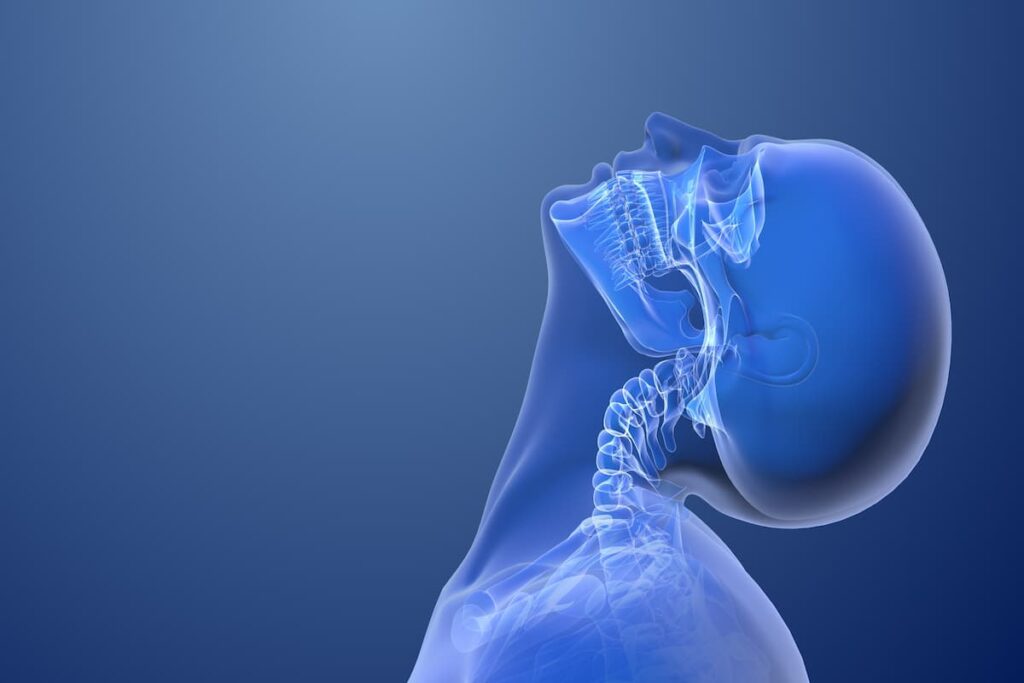
To diagnose whiplash, a doctor will conduct a thorough examination and may order various imaging tests to assess the severity of the injury. Common tests include:
Physical Examination
The doctor will begin with a physical examination, checking for tenderness, restricted movement, and areas of pain. They may also ask about your symptoms and the circumstances of the accident to better understand the injury.
X-Ray
An X-ray can help rule out fractures or other bone injuries. While it doesn’t show soft tissue damage, it can be useful in identifying structural issues that may be causing pain.
CT Scan
A CT (Computed Tomography) scan provides more detailed images than an X-ray and can help detect fractures, bleeding, or other serious injuries to the spine and surrounding tissues.
MRI
An MRI (Magnetic Resonance Imaging) is the most detailed imaging test for soft tissue injuries like whiplash. It can identify muscle strains, ligament damage, and issues with the discs and spinal cord, helping to assess the extent of the injury.
Treatment Options for Whiplash
Whiplash treatment focuses on relieving pain, reducing inflammation, and restoring mobility to the neck. Common treatment options include:
- Rest: Allowing the neck to rest to reduce pain and prevent further strain on muscles and ligaments.
- Cervical Collar (C-Collar): A supportive collar that helps limit neck movement during the initial recovery period.
- Pain Medication: Over-the-counter or prescription medications like ibuprofen or acetaminophen to manage pain and inflammation.
- Muscle Relaxants: Medications to reduce muscle spasms and promote comfort.
- Numbing Shots: Corticosteroid or local anesthetic injections for targeted relief from severe pain.
- Exercise: Gentle neck exercises and stretching to improve flexibility and promote healing after the acute pain phase.
- Physical Therapy: Strengthening exercises and posture correction to restore mobility and prevent long-term issues.
- Alternative Medicine: Chiropractic care, acupuncture, or massage therapy for additional pain relief and muscle relaxation.
Read More
Complications: Persistent Pain for Several Months or Longer
In more severe cases, whiplash can lead to chronic pain that lasts for several months or even longer. If untreated or if the injury is severe, long-term symptoms such as stiffness, headaches, and muscle spasms may persist, affecting your daily activities. Early intervention and ongoing care can help reduce the risk of these complications.
Legal Options After a Neck Injury
If you’ve suffered a neck injury like whiplash due to someone else’s negligence, you may have the right to seek compensation for your medical expenses, lost wages, pain and suffering, and other damages. Understanding your legal options is crucial to ensuring you receive the compensation you deserve.
But keep in mind, there is a time limit. You have two years to take legal action after your injury. If you wait too long, you lose out on the right to sue.
Acting quickly and obtaining legal representation is your best option to return to normal life after an injury. Insurance companies are notorious for undervaluing claims and underpaying the injured.
Don’t suffer in silence – reach out to a lawyer as soon as possible to discuss your options.
Frequently Asked Questions (FAQS)
What are the symptoms of a neck injury?
Common symptoms of a neck injury, like whiplash, include neck pain, stiffness, headaches, dizziness, blurred vision, and muscle spasms. If you experience any of these symptoms after an accident, it’s important to seek medical attention promptly.
How long does it take to recover from a whiplash injury?
Recovery from whiplash varies depending on the severity of the injury. Most people recover within a few weeks, but more severe cases can take months. Consistent treatment and physical therapy can aid in a quicker recovery.
Read More
Can I get compensation for pain and suffering from a whiplash injury?
Yes, you may be eligible for compensation for pain and suffering in a personal injury claim. This compensation addresses the emotional distress and physical pain caused by the injury.
Do I need a lawyer for my whiplash injury claim?
While it’s not mandatory, hiring a lawyer is highly recommended. A personal injury attorney can help you navigate the claims process, negotiate with insurance companies, and ensure you get the compensation you’re entitled to.
How DK Law Helps Victims of Whiplash
At DK Law, we understand the physical, emotional, and financial toll that whiplash injuries can take on your life. Our team is committed to helping you navigate the complex legal process and secure maximum compensation. Here’s how we assist victims of whiplash:
Comprehensive Case Evaluation
We begin by offering a free consultation to assess your case and determine your legal options. Our team will review the details of your accident, your medical condition, and the potential long-term impact of your injury.
Expert Legal Representation
Whiplash injuries can sometimes lead to chronic pain and disabilities. Our experienced personal injury lawyers specialize in whiplash cases, using their deep knowledge of California’s laws to build a strong case on your behalf.
Negotiating with Insurance Companies
Insurance companies often try to offer low settlements, even for severe injuries like whiplash. We work tirelessly to negotiate with insurers, ensuring you receive the maximum compensation for medical bills, lost wages, pain, and suffering.
If you’re ready to take the next step, contact our team for a completely free consultation. No risk, just honest answers and compassionate care.
Additional Resources
Below are a few organizations and resources that can help you better understand whiplash injuries:
American Academy of Orthopaedic Surgeons (AAOS) – Provides comprehensive information on musculoskeletal health, including neck injuries like whiplash.
American Chiropractic Association (ACA) – Expert advice on managing pain and recovering from neck injuries.
American Spinal Injury Association (ASIA) – Provides resources on spinal cord injuries, including prevention, rehabilitation, and long-term care.
DK All the way


From Your Case to Compensation, we take your case all the way.
Schedule a Free Consultation
Get Expert Legal Advice at Zero Cost.
At DK Law we’re with you – all the way.
Get a Free Consultation with our experts today!