California’s trusted Rideshare Injury lawyers
We Win Rideshare Injury Cases.
Clear guidance, constant updates, and a team that actually responds.
$600
Million Recovered
15K+
Clients Served
99%
Success Rate
Call for Your Free Case Evaluation – We are Available 24/7
Find Out What Your Injury Claim is Really Worth.
We don’t get paid until you get justice.
 Over 5000+ 5 Star Client Reviews
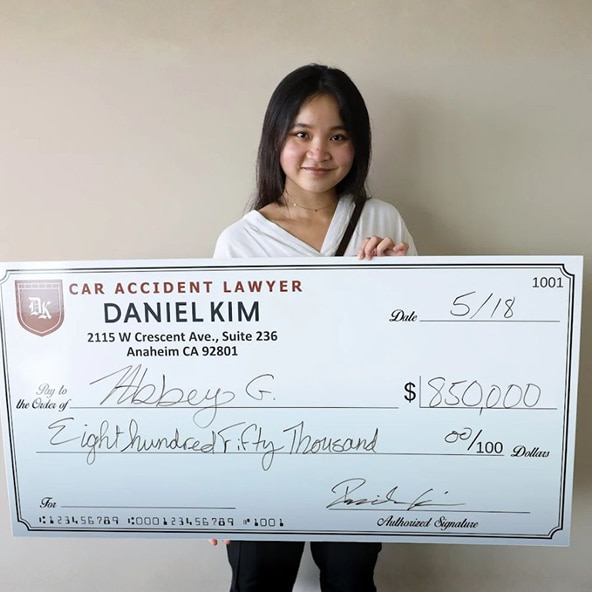
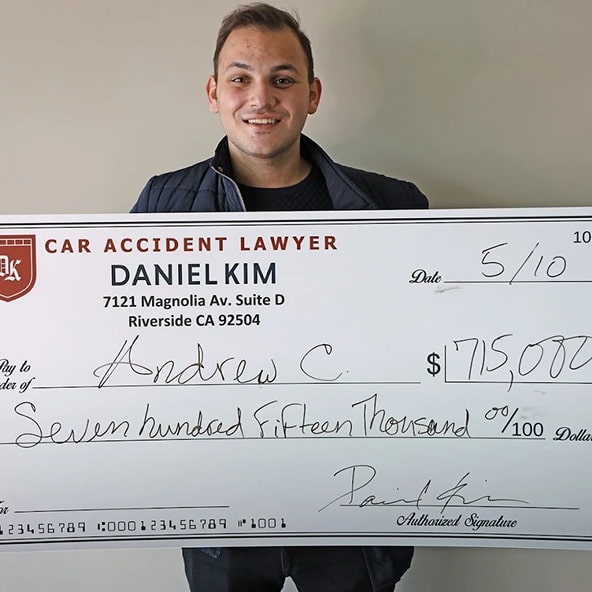
 Justice Delivered. Life-Changing Settlements.



DK All the way


From Your Case to Compensation, we take your case all the way.
Schedule a Free Consultation
Get Expert Legal Advice at Zero Cost.


BENEFITS BEYOND COMPENSATION
Support That Moves Life Forward.
We handle the hassle so you can heal — fast help, clear answers, and real solutions from day one.
Access Top Medical Care
Recover Your Lost Wages
Handle All Property Damage
Pay Nothing Upfront
Always Available 24/7
Discreet Representation
We Come To You
Fight for Maximum Compensation
Access Top Medical Care.
We connect you with leading doctors and specialists immediately, and you pay nothing until your case is resolved.
Recover Your Lost Wages.
We fight to get you paid for the time you’ve missed from work so you can heal without financial worries.
Handle All Property Damage.
Don’t stress about your vehicle. We manage the entire repair or replacement process for you.
Pay Nothing Upfront.
With our Zero-Fee Guarantee, you owe us nothing until we win your case. We invest in you.
Always Available 24/7.
Get clear answers and real support whenever you need it. We’re here for you day and night.
Discreet Representation.
Your case stays confidential. We protect your privacy with strict attorney-client privilege—nothing is shared without your consent.
We Come To You.
Can’t travel? Our team will come to your home or hospital to handle all the necessary paperwork.
Fight For Maximum Compensation.
We go after everything you deserve, including medical costs, lost income, and pain and suffering.
With You at Every Step
Here’s how we guide you from your first call to your final payout.

Free Case Review
You tell us what happened. We break down your rights, explain what to expect, and outline how we can help.

We Build Everything
Once you sign, we build your case—handling paperwork, gathering proof, and dealing with insurance so you don’t have to.

Progress That Pays
We keep you updated, guide you through every step, and fight to secure the full compensation you’re legally entitled to receive.
Because peace of mind is part of the process.
Don’t get lowballed. get justice.
How Insurance Companies Try to Pay You Less Money
- Quick Settlement Offers: Low cash offers to get you to sign before you realize your case is worth more.
- Minimizing Damages: They omit future medical bills, lost wages, and pain and suffering.
- Delay, Deny, Defend: They stall so you’ll get frustrated and accept less.
Real Results. Life-Changing Outcomes.
We don’t just settle — we go all the way to get our clients what they truly deserve. These results speak for themselves.
truck accident
$950,000
Our client suffered cervical, lumbar, and neurological injuries. We secured $950,000 through aggressive litigation.
Car Accident
$2,300,000
Direct and persistent negotiations with doctors saved $700,000 in medical bills for our client and securing $2.3M for their multi-car accident.
Motorcycle Accident
$2,150,000
Our client suffered multiple fractures that required surgery in a motorcycle accident. We secured $2.15M for them.
Car accident
$1,250,000
They said it wasn’t worth much. We proved otherwise.
Helpful Resources For You
Your Questions, Our Answers
Legalese is confusing — we break it down, no jargon.
What should I do if I’m injured in an Uber or Lyft accident?
Start by getting medical attention and calling 911 to report the crash. Collect the rideshare driver’s info, take photos of the scene, and get contact details from any witnesses. Be sure to document everything and avoid speaking to insurance companies until you’ve consulted a lawyer.
We’re happy to help.
Who is liable in a rideshare accident — the driver, the company, or someone else?
Liability depends on who caused the crash and what the rideshare driver was doing at the time. If the driver was active on the app and transporting a passenger or en route to a pickup, Uber or Lyft’s commercial insurance may apply. If they were offline, personal insurance likely applies.
Does Uber or Lyft provide insurance coverage for accidents?
Yes, both companies provide layered insurance coverage, but it depends on the driver’s status at the time of the accident. Coverage can include up to $1 million in liability when a passenger is in the vehicle, but much less if the driver is just logged in and waiting for a ride request.

Can I file a claim if I was a passenger in a rideshare vehicle?
Absolutely. As a passenger, you’re rarely at fault. You may be able to pursue compensation through the rideshare company’s insurance, the at-fault driver’s insurance, or both—depending on who caused the accident.

What if I was hit by a rideshare driver as a pedestrian or another driver?
You may still be eligible for compensation through the rideshare company’s commercial insurance—again, depending on whether the driver was “on the clock.” A lawyer can help determine which coverage applies and how to file a claim.
![One Seriously Injured in Pedestrian Accident at Lincoln Avenue and Second Street [San Rafael, CA]](https://dklaw.com/wp-content/uploads/2023/01/iStock-515070156.webp)
Why do I need a lawyer for a rideshare accident claim?
Rideshare cases involve multiple parties, complex insurance rules, and corporate legal teams. A skilled attorney can navigate the system, preserve evidence, negotiate with insurers, and ensure you’re not shortchanged in the process.
Talk to a legal expert today.

From the Battlefield to the Courtroom
Twice awarded the Army Commendation Medal for heroism and excellence, our founder Daniel was recognized as one of the top-performing JAG officers in the Asia-Pacific region.
That discipline, courage, and sense of duty now define his work in the courtroom, where he fights with the same intensity for the injured and their families.
Message From Our Founder
For Us, It’s Personal
I started DK Law with a simple mission: to deliver top-tier legal representation to those harmed by negligence. Every day, we strive to achieve the best possible outcome for our clients, and we do everything it takes to reach that goal. We’ve gone all the way for thousands. Now let’s go all the way for you.

Daniel Kim, Founding Partner

DK All the way
From Your Case to Compensation, we take your case all the way.
Schedule a Free Consultation
Get Expert Legal Advice at Zero Cost.
Awards & Testimonials
Recognized. Respected. Relentless.
Each award reflects the commitment, grit, and trust we bring to every case we handle.

2025 American Academy of Attorneys- Top 100 Award

2025 NADC- Top One Percent Award

2025 NAOPIA Nation’s Premiere Top 10 Attorney Award

Best Attorneys of America Lifetime Charter Member

2025 American Institute of Personal Injury Attorneys- 10 Best Law Firm Award

2024 Top 100 Jury Verdicts Personal Injury Award

2025 Elite Lawyer in Car Accidents Award

2025 Lawyers of Distinction Award

2025 American Academy of Attorneys- 500 Million Dollar Club Award

Top 10 Trucking Trial Lawyers Award
Rideshare Accident 101
Our complete guide to accidents involving Uber and Lyft, from insurance coverage to liability.
1. Injured in a Rideshare Crash? Here’s What to Do Next
Companies like Uber and Lyft have completely transformed the way we travel, offering a convenient and often cost-effective alternative to taxis and public transportation. These services, also known as Transportation Network Companies (TNCs), connect passengers with independent drivers through a mobile app.
But as rideshare usage has increased, so have the number of accidents involving these vehicles and their drivers. If you’ve been injured in a rideshare accident, it’s crucial to understand your rights and the steps you need to take to protect them. In this guide, we’ll break down everything you need to know about rideshare accidents, who is at fault, and why having a lawyer is crucial. Let’s begin.
Key Takeaways
- Insurance coverage depends on driver status. Uber and Lyft provide up to $1 million in liability coverage—but only when a ride has been accepted, or a passenger is onboard. If the driver is offline or just waiting for a request, coverage drops significantly or disappears entirely.
- One-third of rideshare drivers have been in a crash while working. Despite what the companies report, accidents are common. Factors like app distractions, scanning for passengers, and rushing between rides contribute to higher crash rates than typical driving.
- You can’t sue Uber or Lyft directly in most cases. Because drivers are classified as independent contractors (not employees), the companies are shielded from direct lawsuits. However, their insurance policies still apply based on the driver’s app status at the time of the crash.
- Multiple parties may share liability. The rideshare driver, another motorist, or even a vehicle manufacturer could be at fault. An attorney can identify all liable parties to maximize your compensation.
*Please remember that the information provided is for general guidance only and should not be considered a substitute for professional legal advice. Consult with a qualified attorney for advice tailored to your specific situation.
2. Uber vs. Lyft: What You Should Know About the Big 2
Uber, founded in 2009, and Lyft, which began in 2012, offer convenient ways to get around as well as food delivery services. Some people prefer one over the other, while others use them interchangeably.
Fast facts to know:
- Digital ride-hailing apps, including Uber and Lyft, reached around 1.7 billion users in 2023.
- Lyft operates only in the U.S. and Canada, while Uber is available in over 70 countries worldwide, making it the larger of the two in terms of global reach.
- Uber also owns several subsidiaries, including Uber Eats, making it a major player in both rideshare and food delivery.
- Lyft’s app is often praised for being more user-friendly, while Uber offers a wider variety of service tiers, including UberX, Uber Black, and UberXL.
- Lyft allows users to tip up to 72 hours after a ride, while Uber allows tipping before, during, or after the trip.
- Both Uber and Lyft utilize dynamic pricing, also known as surge pricing.
Both platforms are widely used and offer similar core services, but the choice often comes down to pricing, availability, and personal preference.
3. How Often Do Rideshare Accidents Happen?
Uber and Lyft have not always been transparent in disclosing information about accidents involving their drivers. They often attempt to minimize their responsibility by shifting blame or withholding data. Victims may face difficulty obtaining basic accident details, including the driver’s insurance information or ride status at the time of the crash.
Important
One-third of rideshare drivers reported being in a crash while working, according to a recent study.
Uber and Lyft drivers experience accidents at a measurable rate—about 0.45 and 0.38 crashes per million miles driven, respectively. While these numbers might seem low, they reflect a growing concern as the number of rideshare vehicles on the road continues to rise.
Several unique factors contribute to these accidents. Rideshare drivers often face distractions such as navigating to pick-up locations, scanning for passengers at curbsides, and making sudden stops in busy areas—all of which increase the likelihood of crashes.
Parking in unsafe spots or rushing to accept the next ride request can also lead to unsafe driving behavior. As rideshare usage grows, especially in high-traffic urban zones, the overall accident burden is increasing, making safety a growing focus in the industry.
Rideshare Drivers are Independent Contractors
Unlike taxi companies, Uber and Lyft classify their drivers as independent contractors, not employees. This distinction can complicate liability in the event of an accident.
While TNCs do provide insurance coverage during active rides, the extent of that coverage depends heavily on what the driver was doing at the time of the accident. We’ll explain insurance coverage later on in this guide.
4. What to Do Right After a Rideshare Accident
There is little time to react after a vehicle collision, making it difficult to know what to do. If you are able to do so, follow these steps to protect yourself and your legal rights.
1. Call 911 and Remain Calm
Always call emergency services to report the accident. A police report can be vital for establishing liability and documenting the scene. Try to remain calm at the accident scene, and do not discuss fault or apologize.
2. Seek Medical Attention
Even if your injuries seem minor, it’s best to visit the emergency room or consult a medical professional for a check-up. Some injuries, like whiplash or concussions, may not show symptoms right away. Getting immediate medical attention is very important when filing an Uber accident claim, so you don’t want to miss this step.
3. Document the Scene
Take photos, collect witness information, and write down details while they’re fresh. Note the rideshare driver’s name, license plate, and app screenshots if possible.
4. Report the Accident to the Rideshare Company
Use the app to report the incident directly to Uber or Lyft, whether you are a driver, a rider, or a third party. This step is necessary to notify the company of the crash and trigger their insurance policies.
5. Contact an Attorney
Before speaking to any insurance company, consult a rideshare accident lawyer to avoid saying anything that could hurt your case. Most attorneys work on a contingency, so you don’t need to pay upfront legal fees.
5. When Does Uber or Lyft Insurance Actually Cover You?
While both Uber and Lyft offer generous liability insurance coverage, the coverage provided depends on the driver’s status at the time of the accident. All rideshare drivers are required to have their own personal automobile insurance at the mandatory minimum limits.
| Driver Status | Description | Who Provides Coverage | Coverage Amounts |
| Period 0 – App Off | Driver is using their vehicle personally, not logged into the app | Driver’s personal auto insurance | Varies by driver’s policy |
| Period 1 – App On, Waiting | Driver is online but has not accepted a ride request | Uber/Lyft contingent coverage | $50K per person / $100K per accident (bodily injury) + $25K property damage |
| Period 2 – Ride Accepted | Driver has accepted a ride and is en route to pick up passenger | Uber/Lyft commercial coverage | Up to $1 million liability + uninsured/underinsured motorist coverage |
| Period 3 – Passenger Onboard | Passenger is in the vehicle during the trip | Uber/Lyft commercial coverage | Up to $1 million liability + uninsured/underinsured motorist coverage |
Even with this coverage, Uber and Lyft don’t settle claims easily. Or, they may want to settle instead of going to court — benefiting them, not you. At DK Law, we know all their tactics and how they play hardball. Our attorneys always fight for maximum compensation, no matter what.
6. What Compensation Can You Get After a Rideshare Injury?
Those injured in rideshare collisions are entitled to many of the same damages as in any auto accident case. This includes coverage for:
- Immediate medical expenses and ongoing treatment costs
- Lost wages if you’re unable to work during recovery
- Pain and suffering, emotional distress, and any long-term loss of earning capacity, especially if the injuries result in disability or limit future job opportunities
- Property damage, such as destruction of personal items or a vehicle
When injuries are serious or life-altering, total compensation can reach into the hundreds of thousands—or even millions—depending on the impact and severity of the case.
7. Do I Really Need a Lawyer After a Rideshare Crash?
Rideshare accidents often involve multiple insurance policies, complex liability issues, and corporate legal teams working to minimize payouts. Uber and Lyft are notoriously difficult to pay out claims, even for serious accidents involving injuries or even death.
This is why having a lawyer can greatly improve your chances of winning your case and obtaining compensation for your medical bills and other costs.
At DK Law, our skilled lawyers can:
Investigate the Accident Thoroughly
Our legal team will begin investigating your accident from the very first day. We will collect evidence, interview witnesses, and reconstruct the crash to build a strong case.
Handle All Communication with Uber or Lyft
Your focus should be on recovering, not handling paperwork or making phone calls. We’ll take over all communication, including yours, the rideshare driver’s, and Uber or Lyft’s insurers, to prevent you from being taken advantage of.
Determine Liability Across Multiple Parties
Whether it’s the driver, the rideshare company, or another motorist, our lawyers ensure no liable party is overlooked.
Ensure You Receive Maximum Compensation
We know sustaining injuries from a vehicle accident is incredibly difficult. We’ll help you recover the maximum compensation for your medical bills, lost wages, pain and suffering, and long-term care.
Take Your Case to Court If Necessary
A good lawyer knows when to continue the fight. If Uber or Lyft refuse to pay up or want to settle for less, we’ll take your case to court and secure the best possible outcome for you.
8. Why DK Law Is the Right Choice
At DK Law, we understand the unique challenges that come with rideshare accidents. We’ve helped numerous clients navigate complex cases involving Uber and Lyft, recovering substantial settlements and verdicts.
All the Way Promise
We’re with you from day one until the final resolution—whether that’s a settlement or a courtroom verdict. You’ll never be left in the dark. Our team keeps you informed, prepared, and supported throughout the entire case process.
Absolutely No Upfront Fees
We work on a contingency fee basis, which means you don’t pay us anything unless we win your case. No hourly rates. No surprise bills. Just results. If we don’t recover compensation for you, you owe us nothing.
Focused on Rideshare Cases
Rideshare claims involve unique insurance and liability issues. Our deep experience with Uber and Lyft cases gives us the edge to fight effectively on your behalf.
Choose DK Law—because you deserve a team that knows how to win and won’t stop until you do.
9. Rideshare Accident FAQs
Can I sue Uber or Lyft directly?
In most cases, you cannot sue Uber or Lyft directly because their drivers are classified as independent contractors, not employees. This legal distinction shields the companies from direct liability for driver negligence. However, Uber and Lyft’s insurance coverage still applies depending on the driver’s activity status in the app at the time of the accident. In rare cases involving company negligence (such as failing to conduct proper background checks), direct claims may be possible.
What if I was a passenger in the rideshare vehicle?
As a passenger, you have strong protections. If the ride was in progress (Period 2 or 3), you’re covered by Uber or Lyft’s $1 million liability policy. This applies regardless of who caused the accident. If another driver was at fault, you may also have a claim against that driver’s insurance, giving you multiple avenues for compensation.
What if I was hit by a rideshare driver as a pedestrian or in another car?
You may still be covered under Uber or Lyft’s insurance, but the amount depends on the driver’s app status at the time of the crash. If the driver had accepted a ride or had a passenger, the full $1 million policy applies. If they were only waiting for a request (Period 1), the contingent coverage of $50,000/$100,000 applies. If the app was off, you’d need to pursue the driver’s personal insurance.
Can I still get compensation if the rideshare driver was uninsured or underinsured?
Yes. Both Uber and Lyft carry uninsured/underinsured motorist (UM/UIM) coverage that kicks in when another at-fault driver lacks adequate insurance. This coverage applies during Periods 2 and 3 and can help cover your medical bills and other damages even when the responsible party can’t pay.
What happens if I’m injured while driving for Uber or Lyft?
If you’re a rideshare driver and the accident occurs while you’re online or during an active ride, Uber and Lyft’s insurance may cover your medical expenses and vehicle damage. However, this coverage is subject to deductibles (often $1,000–$2,500 for collision) and specific coverage limits. Your personal auto insurance may also play a role, so it’s important to understand how both policies interact.
Why can’t I sue Uber or Lyft like a normal employer?
Uber and Lyft classify their drivers as independent contractors rather than employees. Under this classification, the companies are generally not held vicariously liable for the actions of their drivers the way a traditional employer would be. This has been a contentious legal issue, with ongoing lawsuits challenging this classification, but for now, it remains the standard in most states, including California.
Who is liable for your injuries in a rideshare accident?
Liability in a rideshare accident can fall on multiple parties depending on the circumstances. The rideshare driver may be liable if their negligence caused the crash. Another motorist could be at fault if they hit the rideshare vehicle. In some cases, a vehicle manufacturer may be liable if a defect contributed to the accident, or a government entity may be liable if poor road conditions played a role. An experienced attorney can investigate all potential sources of liability to maximize your recovery.
How do I choose a lawyer for a rideshare accident case?
Look for an attorney with specific experience handling Uber and Lyft claims—these cases involve unique insurance structures and liability issues that general personal injury lawyers may not fully understand. Ask about their track record with rideshare cases, whether they’ve taken cases to trial (not just settled), and confirm they work on contingency so you don’t pay unless you win. A good rideshare accident lawyer should also be familiar with California’s TNC regulations and insurance requirements.
10. You’re Not Alone – DK Law Fights for Rideshare Victims
Taking on billion-dollar rideshare companies like Uber and Lyft can feel like a David vs. Goliath battle, but at DK Law, it’s what we do best. We know how these corporations operate, and we’re not afraid to challenge their tactics.
If you’ve been injured in a rideshare accident, time is critical. Understanding your rights and taking swift legal action can make all the difference in protecting your health, your finances, and your future. Let us help you navigate the process with confidence and clarity.
You don’t have to fight this battle alone. Contact DK Law today for a free, no-obligation consultation. We’re here to stand by your side—and we don’t back down.