Can I Sue My Landlord for Mold in California?
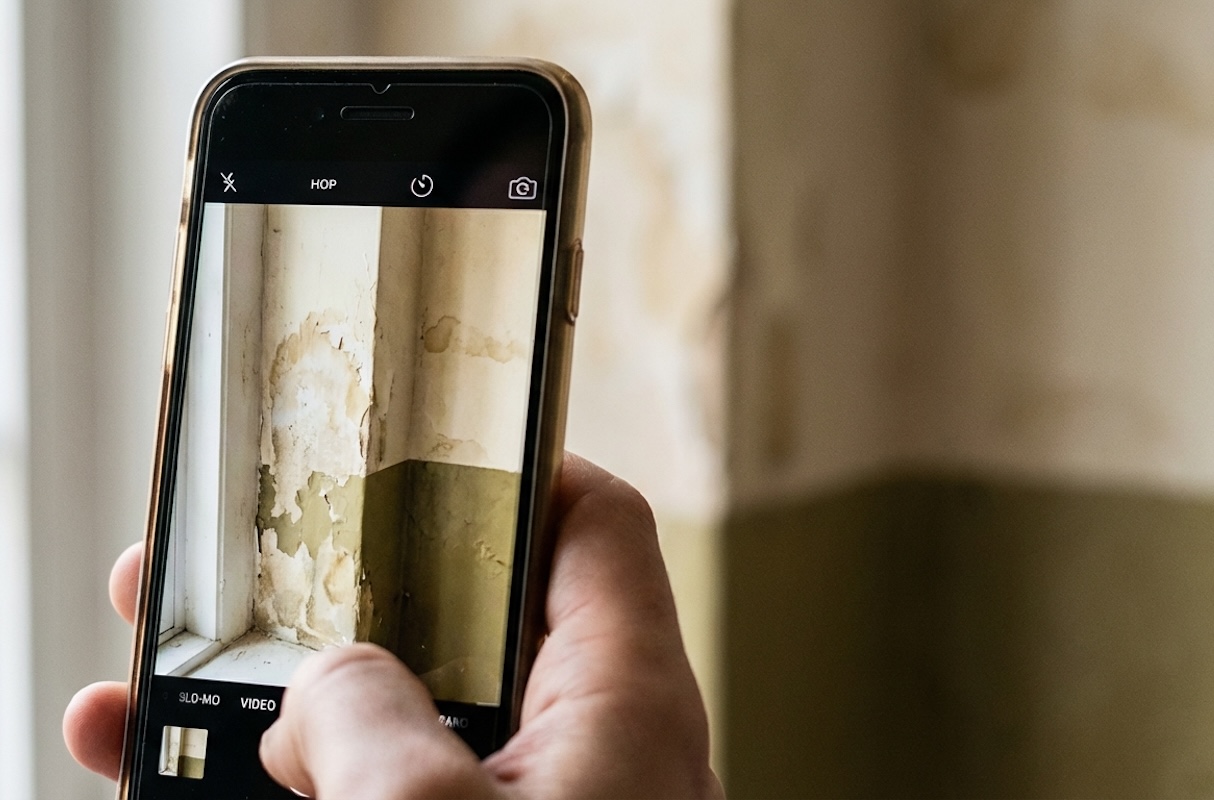
You found mold in your apartment. Maybe it started as a weird smell in the bathroom. Then you noticed dark spots spreading across the ceiling. You told your landlord. Nothing happened. Now you’re coughing constantly, your kid has developed asthma symptoms, and that black stuff behind the kitchen sink keeps growing.
So, can you actually sue your landlord for mold? Yes. California gives tenants some of the strongest mold protections in the country, and landlords who ignore the problem can face serious consequences. But winning a mold lawsuit requires understanding what the law actually says, what you need to prove, and how much your case might be worth.
Key Takeaways
- California law is on your side. The implied warranty of habitability requires landlords to maintain livable conditions, and visible mold growth is explicitly listed as a “substandard building” condition under state law.
- You need written documentation. Your landlord must know about the mold and failed to fix it. Send complaints via email or certified mail. Take photos. Keep everything.
- Settlements range widely. Most mold cases with documented health injuries settle between $300,000 and $1.2 million. Catastrophic cases have reached $22 million.
- You have limited time to file. California gives you 2 years for health-related claims and 3 years for property damage. Miss these deadlines, and you lose your right to sue entirely.
- “Toxic black mold” claims face scientific pushback. The CDC says there’s no proven link between Stachybotrys chartarum and unique health effects. Focus on documented respiratory symptoms instead.
What Does California Law Actually Require From Landlords?
California takes mold seriously. More seriously than most states.
Under Civil Code Section 1941, every landlord must maintain rental units in a condition “fit for human occupation.” This warranty of habitability is non-waivable. That means your landlord can’t slip a clause into your lease saying they’re not responsible for mold. Any such clause is void.
The Toxic Mold Protection Act of 2001 added another layer. Landlords must now disclose known mold hazards before you sign a lease. And since January 2022, landlords must provide every prospective tenant with the official CDPH mold information booklet. If they didn’t give you one, that’s already a problem.
Here’s what makes California different: visible mold growth is classified as a substandard building condition under Health and Safety Code Section 17920.3. The only exception is “minor mold found on surfaces that can accumulate moisture as part of their properly functioning and intended use.” So a little mildew on shower tiles probably doesn’t count. Black mold spreading across your bedroom wall absolutely does.
What Do You Need to Prove to Win?
Four things. You need all four.
- The mold existed and was dangerous. Photographs help. A professional mold inspection is even better. You want documentation showing the type of mold, the extent of growth, and the moisture source causing it.
- Your landlord knew or should have known about it. This is where written notice becomes critical. If you complained verbally and your landlord claims they never heard about it, you’re stuck in a he-said-she-said situation. Email creates a record. Certified mail creates a better one.
- Your landlord failed to take reasonable action. California gives landlords 30 days to address habitability issues after receiving proper notice. Though “reasonable time” varies depending on severity. A small leak might get 30 days. Extensive black mold contamination should be addressed much faster.
- You suffered actual harm. Either health problems, property damage, or both. Medical records linking your symptoms to mold exposure are powerful evidence. Receipts for damaged furniture and clothing matter too.
Landlords typically defend these cases by arguing that you caused the mold yourself through poor ventilation or failure to report leaks. Or they claim your health problems came from something else entirely. Strong documentation defeats both arguments.
How Much Are Mold Lawsuit Settlements Actually Worth?
The range is enormous. And most settlement amounts stay confidential.
What we do know: property-only claims and mild health impacts typically settle between $150,000 and $500,000. Cases involving serious respiratory injury, hospitalization, or conditions like asthma that developed from mold exposure can reach $500,000 to $2 million. The really catastrophic outcomes go higher.
Some documented examples from California courts:
The Mazza family in Sacramento won a $2.7 million jury verdict in 2001 after their apartment management ignored complaints about water intrusion. The family developed respiratory problems due to exposure to stachybotrys, aspergillus, and penicillium. At the time, it was the largest personal injury verdict in U.S. toxic mold case history.
Ed McMahon, the TV personality, settled for $7.2 million in 2003 after contractors improperly handled water damage in his Beverly Hills mansion. The cleanup company painted over black mold instead of removing it.
The highest documented settlement? The Gorman family received $22.6 million in 2005 after moving into a custom-built Manhattan Beach home where the framing lumber had been improperly stored. Their son developed brain lesions and cysts.
Law firms specializing in mold litigation report consistent results in the $300,000 to $1.2 million range for cases involving documented health injuries, proper medical evidence, and clear landlord negligence.
What Health Problems Does Mold Actually Cause?
This is where things get complicated. And where a lot of misinformation floats around.
The CDC has established that mold exposure is associated with upper respiratory symptoms, coughing, wheezing, and asthma symptoms in people with asthma. The Institute of Medicine found sufficient evidence linking indoor mold exposure to these conditions back in 2004.
The EPA confirms that molds produce allergens and irritants, which can cause hay fever-type symptoms such as sneezing, runny nose, red eyes, and skin rash. People with asthma who are allergic to mold can suffer serious attacks.
Research published in NIH journals found that approximately 21% of current asthma cases in the United States are attributable to dampness and mold exposure in housing. Building dampness was associated with 30-50% increases in respiratory and asthma-related health outcomes.
But here’s the tricky part. That scary term “toxic black mold” that you see everywhere? The CDC is pretty direct about it. According to their fact sheet on Stachybotrys chartarum: “At present, no test exists that proves an association between Stachybotrys chartarum and particular health symptoms.”
The agency recommends treating all molds equally regarding health risks and removal. Stachybotrys doesn’t require special handling compared to other mold types.
What does this mean for your lawsuit? Focus on documented, scientifically supported health effects. Respiratory symptoms. Asthma development or worsening. Allergic reactions. Property damage. Claims based on unproven “toxic mold syndrome” or neurological effects face significant scientific skepticism in court.
How Long Do You Have to File a Mold Lawsuit in California?
Not long. The clock is ticking.
California’s statute of limitations gives you:
- 2 years for personal injury claims (health problems from mold exposure)
- 3 years for property damage claims (ruined furniture, clothing, belongings)
These deadlines start from when you discovered or reasonably should have discovered the harm. But don’t push it. Courts interpret “should have discovered” broadly. If you complained about mold two years ago and only now decided to sue, you might already be too late.
For smaller claims, the California small claims court allows individuals to sue for up to $12,500 without an attorney. Most serious mold cases exceed this limit significantly, but small claims work for minor property damage or rent reduction disputes.
How Does California Compare to Texas, Florida, and New York?
California tenants have it better than most.
Texas has no specific mold statute at all. No disclosure requirements either. Tenants rely entirely on general landlord repair duties and must send complaints via certified mail. The legal protections are minimal compared to those in California.
Florida is similar to Texas. No mold-specific laws. Tenants must provide a 7-day written notice under general habitability statutes. Licensed professionals are required when mold exceeds 10 square feet, but enforcement is weak.
New York City actually mandates more aggressive inspection requirements than California. Local Law 55 of 2018 requires annual inspections for mold in buildings with 3+ apartments. Owners must use licensed professionals when the mold exceeds 10 square feet in larger buildings. But this only applies within NYC limits.
California’s strength is the combination of mandatory disclosure, non-waivable habitability protections, and explicit classification of visible mold as a substandard condition. Few states match this full package.
What Should You Do Right Now?
Start documenting. Today.
Take dated photographs of all visible mold. Send a written notice to your landlord via email and certified mail. Keep copies of everything. See a doctor about your symptoms and make sure they document the potential connection to mold exposure. Save receipts for any property you’ve had to throw away.
If your landlord ignores your complaints, you have options. California law allows tenants to repair and deduct up to one month’s rent. You can withhold rent in extreme cases. Or you can pursue legal action for the full extent of your damages.
Mold cases are winnable in California. The law supports you. But only if you build the evidence to prove what happened.
If you’re dealing with mold exposure and a landlord who won’t act, DK Law can help. Contact us for a free consultation to discuss your situation.
DK All the way


From Your Case to Compensation, we take your case all the way.
Schedule a Free Consultation
Get Expert Legal Advice at Zero Cost.
At DK Law we’re with you – all the way.
Get a Free Consultation with our experts today!