The Invisible Injury: Shedding Light on Traumatic Brain Injuries
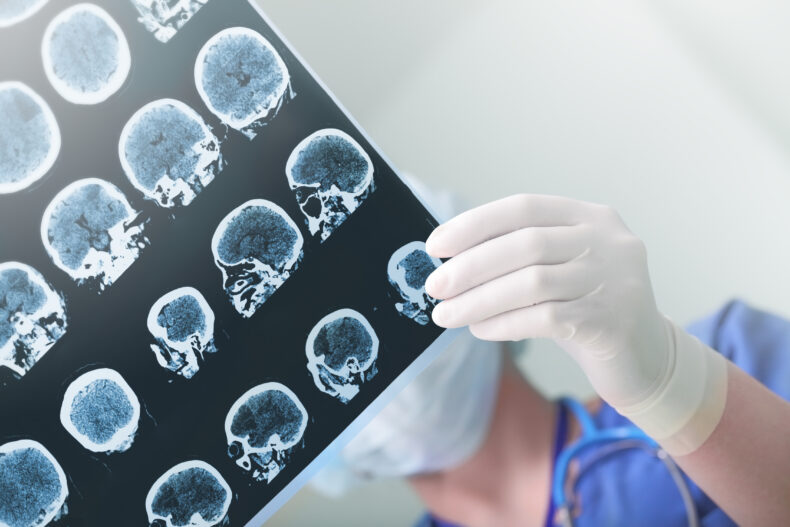
Every nine seconds, someone sustains a brain injury in the U.S. As the body’s control center, the brain allows us to think, feel, and react, basically everything that makes us human. An injury to the brain can lead to long-term health problems affecting every aspect of daily life. Brain injuries are typically classified into two categories: traumatic and non-traumatic. Non-traumatic brain injuries are caused by internal factors, such as a stroke, while traumatic brain injuries are caused by an external force or blow to the head.
All brain injuries, often called invisible injuries because they can’t be seen, carry social stigma and can lead to isolation. To better understand this devastating injury, it’s important to know what is classified as traumatic brain injury, common short-term and long-term symptoms, treatment, and prevention.
What Is Traumatic Brain Injury?
Traumatic brain injury (TBI) is a type of injury that occurs when a sudden, external assault causes damage to the brain. This can happen as a result of a blow, bump, or jolt to the head or body, or from an object penetrating the skull and entering the brain tissue. Motor vehicle accidents are the second leading cause of traumatic brain injury, after falls.
There are three main types of traumatic brain injury:
Mild TBI
Also known as a concussion, this type of TBI is caused by direct trauma to the head that causes the brain to move violently in the skull. Common symptoms that follow include headache, confusion, disorientation, blurry vision, or memory loss. While generally not life-threatening, concussions can be devastating if not treated properly.
Moderate TBI
This type of TBI involves a longer period of unconsciousness (usually more than 30 minutes), as well as significant cognitive, emotional, and physical impairments. Imaging tests may show structural damage to the brain, and recovery can take weeks, months, or even years.
Severe TBI
This type of TBI is characterized by a prolonged period of unconsciousness (coma) or amnesia and has a high risk of long-term disability or death. Severe TBI requires urgent medical intervention and often involves extensive rehabilitation and ongoing care.
What Are Common Symptoms of TBI?
The immediate aftermath of a brain injury is not always apparent. Some symptoms may appear right away, while others may appear hours or even days later. It’s crucial to know the symptoms and seek medical attention if you experience any of these. Depending on the severity of the injury, some common symptoms of TBI include:
- Dizziness or loss of balance
- Confusion
- Nausea or vomiting
- Fatigue or drowsiness
- Problems with speech
- Blurred vision
- Ringing in ears
What Are the Long-Term Effects of Traumatic Brain Injury?
After suffering a brain injury, some people may continue to experience symptoms for weeks or even months. Some common long-term effects of TBI include:
- Seizures
- Memory loss
- Change in mood or behavior
- Frequent headaches
- Blood vessel damage
- Meningitis
Severe injury to the brain can also lead to a wide range of cognitive, behavioral, communication, emotional, intellectual, and sensory problems, including:
- Cognitive deficits: TBI can cause long-term deficits in cognitive function, including memory, attention, concentration, and problem-solving.
- Physical disabilities: TBI can result in physical disabilities such as paralysis, difficulty with balance and coordination, and weakness or numbness in the extremities.
- Emotional and behavioral changes: TBI can cause emotional and behavioral changes, including depression, anxiety, irritability, and mood swings.
- Communication difficulties: TBI can cause difficulties with speech, language, and communication.
- Seizures: TBI can increase the risk of seizures, which may continue for months or years after the injury.
- Insomnia: TBI can disrupt the normal sleep-wake cycle, leading to difficulty falling asleep or staying asleep.
- Chronic pain: TBI can cause chronic pain, especially headaches and migraines.
How Is TBI Diagnosed?
The diagnosis of traumatic brain injury (TBI) typically involves a combination of physical exams, imaging tests, and cognitive assessments. These are some of the common methods used to diagnose TBI:
- Neurological exam: A neurologist will perform an exam to evaluate thinking, memory, hearing, vision, balance, reflexes, and coordination.
- Imaging tests: Imaging tests, such as MRI and CT scans, can provide detailed images of the brain to detect any bleeding or swelling.
- Blood tests: In 2018, the FDA approved a blood test that can identify two proteins, UCH-L1 and GFAP, released from the brain into the blood after a concussion. The test is effective up to 12 hours after the injury.
- Glasgow Coma Scale (GCS): GCS is a 15-point neurological test used to measure a person’s level of consciousness following a TBI. It evaluates a person’s ability to open their eyes, speak normally, and easily utilize motor skills. A higher score out of 15 indicates a less severe injury.
How Is TBI Treated?
Treatment for TBI varies depending on the severity of the injury. Mild traumatic brain injuries usually require rest and over-the-counter pain relievers to treat headaches. However, someone with a mild TBI should be monitored closely for any worsening symptoms and should follow up with a doctor.
Moderate and severe TBI medication requires immediate emergency care. A doctor may prescribe certain medications to prevent additional damage, such as anti-seizure drugs or coma-inducing drugs. Surgery may be needed to relieve pressure in the skull and stop bleeding in the brain.
Those who have suffered significant brain injury require rehabilitation to help with physical and cognitive recovery. Some people may need to relearn basic skills, such as walking or talking. Enlisting the help of a rehabilitation specialist is an important step in the treatment and recovery process.
Preventing TBI

Those who have suffered a TBI are never the same. Traumatic brain injury reduces quality of life, leads to lifelong health complications, and impacts interpersonal relationships. In order to prevent TBI, it’s important to follow these general safety tips:
- Wear a seatbelt, whether driving or riding in a motor vehicle
- Buckle children in age and size-appropriate car seats
- Wear a helmet or protective headgear when riding a bike
- Never drive while under the influence of drugs or alcohol
- Do not walk, drive, or bike while distracted
March Is Brain Injury Awareness Month
The Brain Injury Association of America declared March “Brain Injury Awareness Month” to promote awareness and support for the 5.3 million people living with a brain injury. For more information on TBI, visit our page. If you or a loved one suffered a TBI in a motor vehicle accident, contact our traumatic brain injury lawyer for a free consultation.
DK All the way


From Your Case to Compensation, we take your case all the way.
Schedule a Free Consultation
Get Expert Legal Advice at Zero Cost.
At DK Law we’re with you – all the way.
Get a Free Consultation with our experts today!