Amputations
Amputations are some of the most devastating injuries. In addition to impairing your quality of life and ability to work, they often lead to significant neurological and psychological pain.

When a limb is lost outside of a medical setting—such as in a severe car accident—it is called a traumatic amputation. In other cases, a surgeon may need to remove a severely damaged limb, which is known as a surgical amputation.
Both types of amputations are profoundly life-altering. Losing a limb often impacts nearly every part of daily life, from walking and driving to working and maintaining independence. If you or a loved one has suffered an amputation due to an accident, an experienced attorney can help you pursue the compensation and support you need to move forward.
What Is Amputation?
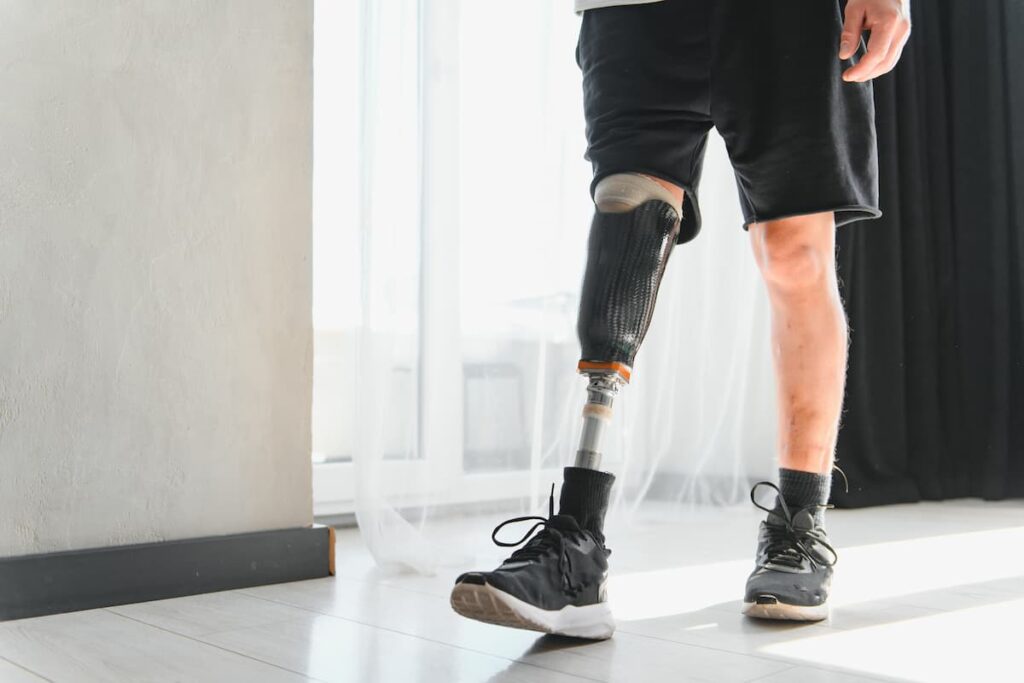
Amputation refers to the removal of all or part of a limb. This can happen suddenly, due to a traumatic event like a car accident, or medically, when a surgeon removes a limb because of severe injury, infection, or other complications.
According to the Amputee Coalition, approximately 2.1 million people worldwide live with limb loss. Men are affected more frequently than women, accounting for 69% of amputees compared to 31% women. Among these cases, lower limb amputations are the most common.
Causes of Amputation
Amputations can result from a variety of traumatic or medical causes:
Traumatic Amputation – usually occurs suddenly due to severe injury, such as:
- Motor vehicle accidents
- Workplace accidents
- Combat injuries
- Industrial or machinery accidents
Surgical Amputation – performed by a medical professional when a limb cannot be saved, often due to:
- Peripheral arterial disease (PAD)
- Diabetes-related complications
- Life-threatening infections
- Gangrene
- Frostbite
- Cancerous tumors
Both traumatic and surgical amputations are life-altering and may require extensive medical care, rehabilitation, and legal guidance in cases of personal injury.
Amputation Surgery
Surgical procedures for amputation vary depending on the patient’s condition, the location of the injury or disease, and the desired outcome for mobility and function. Common approaches include:
Standard Amputation
A standard amputation involves the surgical removal of all or part of a limb. Surgeons carefully cut through bone, muscle, and tissue, then close the wound to prepare it for healing and possible prosthetic fitting.
Osseointegration (OI)
Osseointegration is a procedure in which a metal implant is surgically anchored directly into the bone, allowing a prosthetic limb to attach securely. This can improve mobility and comfort for some amputees compared with traditional socket prosthetics.
Rotationplasty
Rotationplasty is a unique surgical technique often used for severe limb conditions or tumors. Part of the limb is rotated and reattached so that the ankle functions as a knee joint, enabling improved mobility with a prosthetic device.
Life After Amputation
Life after an amputation often involves adjusting to both physical and emotional challenges. While every person’s experience is unique, many amputees commonly experience:
- Sensory issues: Changes in sensation around the amputation site are common.
- Phantom pain: Some individuals experience pain or discomfort that feels like it’s coming from the missing limb.
- Emotional impact: Anxiety, depression, and anger are common emotional responses.
Read More
Rehabilitation
Rehabilitation after an amputation typically includes:
- Prosthesis Fitting: Many amputees are fitted with prosthetic limbs, which require customization, training, and regular adjustments to maximize comfort and mobility.
- Physical Therapy: Strengthens muscles, improves balance, and helps individuals adapt to moving with or without a prosthetic.
- Occupational Therapy: Teaches strategies for daily activities—such as dressing, cooking, and driving—to promote independence.
- Psychotherapy: Provides emotional support and coping strategies to address anxiety, depression, or trauma related to the amputation.
- Pain Management: Medications, nerve therapies, and alternative treatments may be used to reduce ongoing pain and improve quality of life.
For many amputees, prosthetics, medications, and therapy can greatly improve quality of life. However, these treatments—and the associated medical bills—can be extremely expensive, making legal guidance critical when an amputation results from a personal injury.
Steps to Filing a Lawsuit After an Amputation
If your amputation was caused by a serious accident and someone else’s negligence, you may have the right to pursue compensation. Filing a lawsuit typically involves several key steps:
- Consultation with an Attorney: Speak with a catastrophic injury lawyer who has experience handling amputation cases. They can evaluate your situation and explain your legal options.
- Investigation: Your attorney will gather evidence—such as accident reports, medical records, and witness statements—to build a strong case.
- Filing the Claim: A formal complaint is filed against the responsible party, outlining the damages you are seeking.
- Discovery Process: Both sides exchange information and evidence, including depositions, documents, and expert testimony.
- Negotiation and Settlement: Many cases are resolved through settlement discussions. Your attorney will work to secure fair compensation for medical bills, rehabilitation, lost income, and pain and suffering.
- Trial (if necessary): If a fair settlement cannot be reached, your case may go to trial, where a judge or jury will decide the outcome.
Throughout this process, an experienced lawyer can protect your rights, manage complex paperwork, and advocate for the maximum compensation you deserve.
Frequently Asked Questions (FAQs)
How will I receive long-term support after an amputation?
Long-term support often involves a combination of medical care, rehabilitation, and emotional assistance. This may include:
- Ongoing physical therapy and prosthetic adjustments
- Pain management and treatment for phantom limb sensations
- Counseling or support groups to address emotional challenges
- Legal and financial guidance to cover medical costs, adaptive equipment, and daily living needs
Working with a team of healthcare providers, therapists, and, when needed, an amputation injury lawyer can help ensure you have the resources necessary to maintain independence and quality of life.
Can I still live an active life after an amputation?
Yes. With proper medical care, prosthetics, rehabilitation, and support, many amputees regain mobility, return to work, and enjoy hobbies and daily activities. Each case is unique, so a personalized care plan is essential.
Read More
What types of compensation can I seek if my amputation was caused by someone else’s negligence?
Amputation victims may be entitled to compensation for:
- Medical expenses, including surgery, prosthetics, and ongoing rehabilitation
- Lost wages and reduced earning capacity
- Pain, suffering, and emotional distress
- Costs for adaptive equipment and home modifications
How long does it take to resolve an amputation-related personal injury case?
The timeline can vary widely depending on the complexity of the case, the severity of injuries, and whether the case settles or goes to trial. Many cases take several months to a few years. An experienced attorney can provide a more specific estimate based on your circumstances.
How DK Law Supports Amputation Victims
Amputees may never fully recover from their injuries, but with the right treatment and support, they can begin to rebuild their abilities and reclaim their lives. At DK Law, we are dedicated to helping clients access the medical care, emotional support, and legal guidance they need to improve their overall quality of life.
Professional Knowledge
Our team leverages a trusted network of medical professionals to ensure clients receive accurate diagnoses and effective treatment options. We ask the right questions, request the necessary tests, and work closely with specialists to address both the physical and emotional impacts of amputation.
Fair Compensation
We fight to secure fair compensation for our clients—covering past and future medical expenses, loss of income, pain and suffering, emotional distress, and more. Our goal is to help clients get the financial support they need to focus on recovery without added stress.
Extensive Medical Network
The team at DK Law connects clients with top medical providers in the area, including physicians, orthopedic surgeons, neurologists, physical therapists, chiropractors, radiologists, pain management specialists, and other experts. This comprehensive network ensures that every client has access to the care necessary for optimal recovery.
If you or a loved one has suffered an amputation due to an accident, hiring an amputation injury lawyer can make a critical difference in navigating the complex medical and legal challenges ahead. To begin your path to justice, call for a free consultation.
Additional Resources
Amputees can find support with the following resources:
Amputee Coalition – Offers support, education, and community connections for individuals living with limb loss.
National Alliance on Mental Illness (NAMI) – Resources for coping with anxiety, depression, and emotional challenges after a traumatic injury.
Limbs for Life Foundation – Empowers amputees with information and support.
Amputation Foundation – A UK-based charity founded by amputees, dedicated to empowering individuals affected by limb loss.
Hanger Clinic – Leading provider of orthotic and prosthetic care.
DK All the way


From Your Case to Compensation, we take your case all the way.
Schedule a Free Consultation
Get Expert Legal Advice at Zero Cost.
At DK Law we’re with you – all the way.
Get a Free Consultation with our experts today!

Time Matters After an Accident
The sooner you speak with an attorney after an accident, the stronger your claim can be. Early action helps preserve evidence and protect your rights.
No Win No Fee | Available 24×7