California’s trusted wrongful death lawyers
We Win Wrongful Death Cases.
Clear guidance, constant updates, and a team that actually responds.
$600
Million Recovered
15K+
Clients Served
99%
Success Rate
Call for Your Free Case Evaluation – We are Available 24/7
Find Out What Your Injury Claim is Really Worth.
We don’t get paid until you get justice.
 Over 5000+ 5 Star Client Reviews
 Justice Delivered. Life-Changing Settlements.




DK All the way


From Your Case to Compensation, we take your case all the way.
Schedule a Free Consultation
Get Expert Legal Advice at Zero Cost.


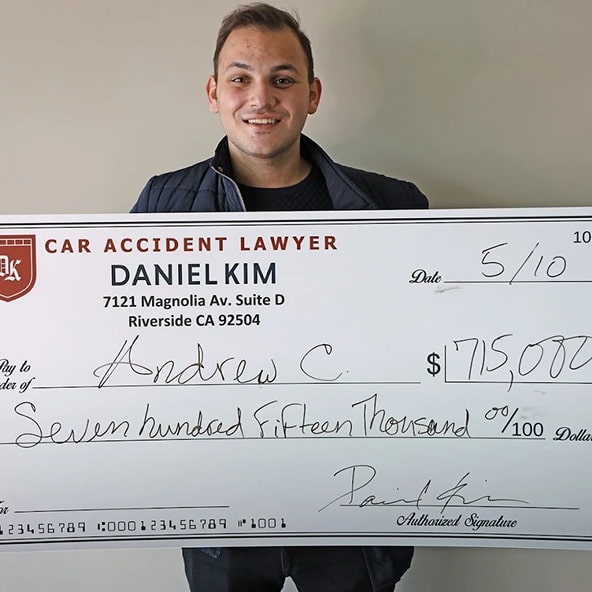
BENEFITS BEYOND COMPENSATION
Support That Moves Life Forward.
We handle the hassle so you can heal — fast help, clear answers, and real solutions from day one.
Access Top Medical Care
Recover Your Lost Wages
Handle All Property Damage
Pay Nothing Upfront
Always Available 24/7
Discreet Representation
We Come To You
Fight for Maximum Compensation
Access Top Medical Care.
We connect you with leading doctors and specialists immediately, and you pay nothing until your case is resolved.
Recover Your Lost Wages.
We fight to get you paid for the time you’ve missed from work so you can heal without financial worries.
Handle All Property Damage.
Don’t stress about your vehicle. We manage the entire repair or replacement process for you.
Pay Nothing Upfront.
With our Zero-Fee Guarantee, you owe us nothing until we win your case. We invest in you.
Always Available 24/7.
Get clear answers and real support whenever you need it. We’re here for you day and night.
Discreet Representation.
Your case stays confidential. We protect your privacy with strict attorney-client privilege—nothing is shared without your consent.
We Come To You.
Can’t travel? Our team will come to your home or hospital to handle all the necessary paperwork.
Fight For Maximum Compensation.
We go after everything you deserve, including medical costs, lost income, and pain and suffering.
With You at Every Step
Here’s how we guide you from your first call to your final payout.

Free Case Review
You tell us what happened. We break down your rights, explain what to expect, and outline how we can help.

We Build Everything
Once you sign, we build your case—handling paperwork, gathering proof, and dealing with insurance so you don’t have to.

Progress That Pays
We keep you updated, guide you through every step, and fight to secure the full compensation you’re legally entitled to receive.
Because peace of mind is part of the process.
Don’t get lowballed. get justice.
How Insurance Companies Try to Pay You Less Money
- Quick Settlement Offers: Low cash offers to get you to sign before you realize your case is worth more.
- Minimizing Damages: They omit future medical bills, lost wages, and pain and suffering.
- Delay, Deny, Defend: They stall so you’ll get frustrated and accept less.
Real Results. Life-Changing Outcomes.
We don’t just settle — we go all the way to get our clients what they truly deserve. These results speak for themselves.
truck accident
$950,000
Our client suffered cervical, lumbar, and neurological injuries. We secured $950,000 through aggressive litigation.
Car Accident
$2,300,000
Direct and persistent negotiations with doctors saved $700,000 in medical bills for our client and securing $2.3M for their multi-car accident.
Motorcycle Accident
$2,150,000
Our client suffered multiple fractures that required surgery in a motorcycle accident. We secured $2.15M for them.
Car accident
$1,250,000
They said it wasn’t worth much. We proved otherwise.
Helpful Resources For You
Your Questions, Our Answers
Legalese is confusing — we break it down, no jargon.
What is a wrongful death claim?
A wrongful death claim is a lawsuit brought by the surviving family members of a person who has died due to the negligence or wrongful act of another party.
It seeks to recover damages for the financial and emotional losses suffered by the family as a result of the death. These claims are distinct from criminal charges and focus on civil liability.

Who can file a wrongful death lawsuit?
The specific individuals who can file a wrongful death lawsuit vary by state, but generally, the following family members have the right to file:
- Parents: Often, parents can file if the deceased was unmarried and had no children.
- Surviving Spouse: The husband or wife of the deceased.
- Children: Biological or adopted children of the deceased.

How do you prove negligence in a wrongful death claim?
To prove negligence in a wrongful death claim, you must generally establish that the defendant owed a duty of care to the deceased, breached that duty, and that this breach directly caused the death, resulting in quantifiable damages to the surviving family. Essentially, you must show that the defendant’s carelessness or wrongful actions led to the loss of life.

What types of damages can be recovered in a wrongful death case?
Surviving family members may recover both economic and non-economic damages, including funeral and burial expenses, loss of the deceased’s income and benefits, medical bills related to the final injury, loss of companionship, emotional distress, and loss of future financial support.

How long do I have to file a wrongful death lawsuit in California?
In California, the statute of limitations for most wrongful death claims is two years from the date of death. However, if a government entity is involved, you may have as little as six months to file an administrative claim. It’s critical to act quickly to preserve your legal rights.

Do wrongful death claims always go to trial?
No. Most wrongful death claims are settled out of court through negotiation or mediation. However, if the parties cannot agree on liability or fair compensation, the case may proceed to trial. Having an experienced attorney can help ensure you’re prepared for either path.
Talk to a legal expert today.
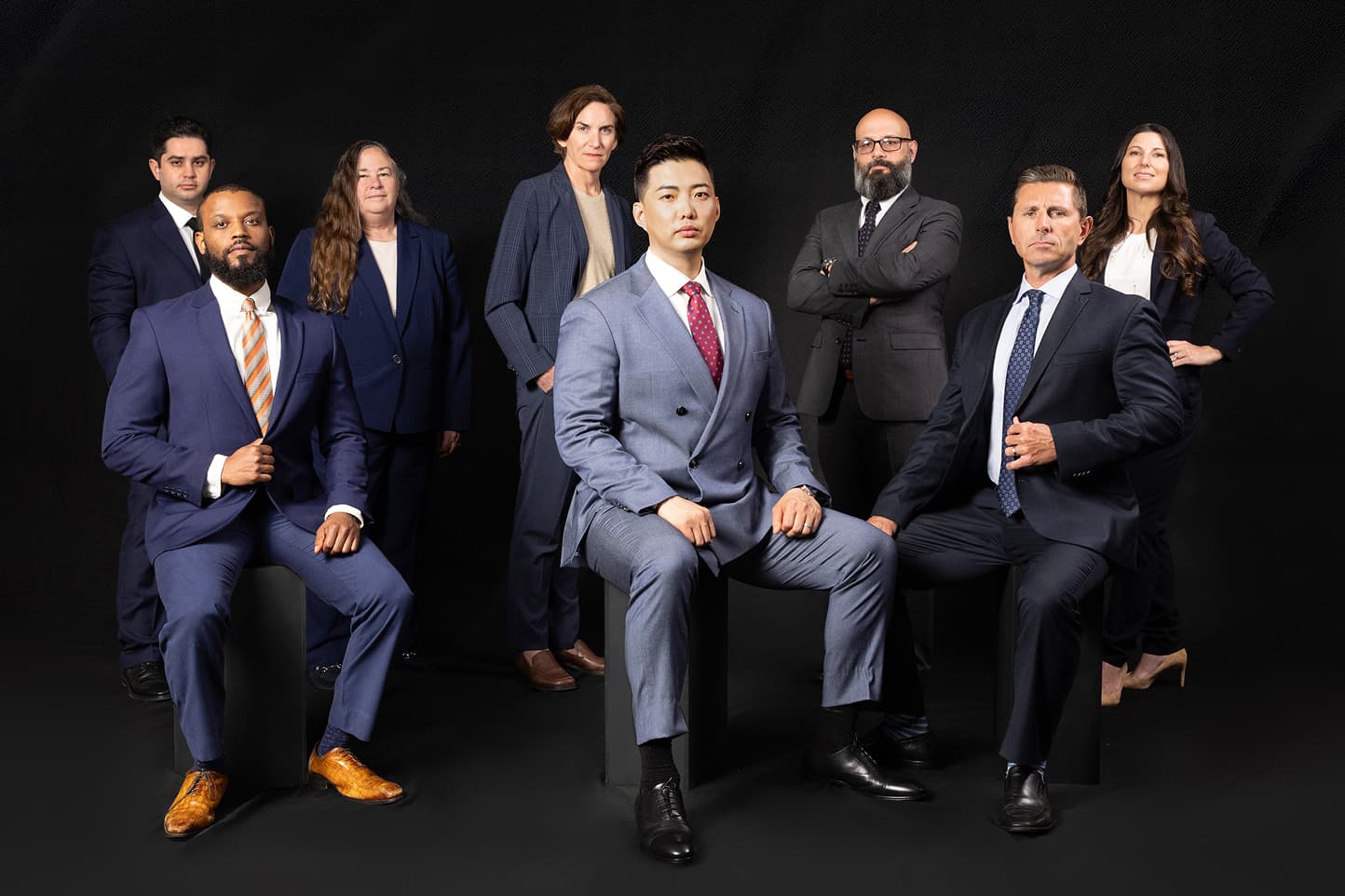
From the Battlefield to the Courtroom
Twice awarded the Army Commendation Medal for heroism and excellence, our founder Daniel was recognized as one of the top-performing JAG officers in the Asia-Pacific region.
That discipline, courage, and sense of duty now define his work in the courtroom, where he fights with the same intensity for the injured and their families.
Message From Our Founder
For Us, It’s Personal
I started DK Law with a simple mission: to deliver top-tier legal representation to those harmed by negligence. Every day, we strive to achieve the best possible outcome for our clients, and we do everything it takes to reach that goal. We’ve gone all the way for thousands. Now let’s go all the way for you.

Daniel Kim, Founding Partner

DK All the way
From Your Case to Compensation, we take your case all the way.
Schedule a Free Consultation
Get Expert Legal Advice at Zero Cost.
Awards & Testimonials
Recognized. Respected. Relentless.
Each award reflects the commitment, grit, and trust we bring to every case we handle.

2025 American Academy of Attorneys- Top 100 Award

2025 NADC- Top One Percent Award

2025 NAOPIA Nation’s Premiere Top 10 Attorney Award

Best Attorneys of America Lifetime Charter Member

2025 American Institute of Personal Injury Attorneys- 10 Best Law Firm Award

2024 Top 100 Jury Verdicts Personal Injury Award

2025 Elite Lawyer in Car Accidents Award

2025 Lawyers of Distinction Award

2025 American Academy of Attorneys- 500 Million Dollar Club Award

Top 10 Trucking Trial Lawyers Award
Wrongful Death 101
This guide outlines the critical steps to take immediately after losing a loved one in a wrongful death incident, helping you protect your legal rights and begin the path toward justice.

1. Understanding Your Rights After a Tragic Loss
Losing a loved one unexpectedly is one of life’s most devastating experiences. When that loss is caused by someone else’s negligence or wrongful act, the grief can be compounded by anger, confusion, and unanswered questions.
In California, wrongful death laws provide a path for surviving family members to seek justice and compensation. This guide offers a clear, comprehensive overview of your rights and legal options under California law.
*Please remember that the information provided is for general guidance only and should not be considered a substitute for professional legal advice. Consult with a qualified attorney for advice tailored to your specific situation.
2. What Counts as Wrongful Death Under California Law?
A wrongful death occurs when a person dies due to the legal fault of another individual or entity. This may include negligence (such as a careless driver), intentional acts (such as assault), or strict liability (such as a defective product).
Under California Code of Civil Procedure § 377.60, wrongful death lawsuits allow certain survivors to file a civil claim for monetary damages resulting from their loved one’s death.
Common causes of wrongful death include:
- Car, motorcycle, or truck accidents
- Workplace or construction accidents
- Dangerous premises or property conditions
- Defective or dangerous products
- Medical malpractice
- Criminal acts like assault or homicide
Important
Unlike criminal charges, wrongful death claims are civil and focus on financial compensation, not punishment.
According to recent data from the Centers for Disease Control (CDC), there were nearly 222,000 deaths that resulted from unintentional injuries, with 43,273 motor vehicle-related deaths in the U.S.
California experienced a 10.7% increase in fatal traffic accidents within that time span, as reported by the National Highway Traffic Safety Administration (NHTSA).
3. Who Can File a Wrongful Death Lawsuit in California?
California law limits who can bring a wrongful death claim. Generally, the right is given to close family members and those financially dependent on the deceased.
Priority claimants include:
- Surviving spouse or domestic partner
- Children of the deceased
Others who may qualify:
- Parents, if there are no surviving children
- Stepchildren or other minors who lived with the deceased for at least 180 days and were financially dependent
- The personal representative of the deceased’s estate
If there are multiple eligible claimants, they must generally join in a single lawsuit.
4. What Compensation Can Families Recover in a Wrongful Death Claim?
Wrongful death claims are meant to compensate survivors for both financial and emotional losses. The types of damages fall into two broad categories:
Economic Damages:
Economic damages refer to financial losses that can be quantified and substantiated with receipts or bills. They include:
- Funeral and burial expenses: Funeral costs can be substantial, encompassing the funeral service, casket, burial plot, cremation, transportation, and other related expenses. These costs are typically recoverable in a wrongful death settlement.
- Loss of the deceased’s expected income: If the deceased was a primary earner, their lost income—including future wages, bonuses, and retirement benefits—can be calculated and claimed as damages. This ensures the family is not left in financial hardship.
- Loss of gifts or benefits (such as health insurance): Survivors may be entitled to compensation for the loss of financial benefits the deceased would have provided, including employer-sponsored health coverage, pensions, or regular gifts.
- Value of household services the deceased would have provided: This includes tasks like childcare, cleaning, cooking, home maintenance, and transportation. If the deceased played a major role in running the household, their contributions can be assigned a monetary value.
Non-Economic Damages:
Non-economic damages are intangible losses that lack a direct dollar value but are still very real and deeply felt. They include:
- Loss of companionship, affection, guidance, and moral support: This refers to the emotional and psychological harm caused by losing a loved one’s presence, love, and support. It is especially relevant in the parent-child or spousal relationship.
- Loss of sexual relations (for spouses or partners): Known legally as “loss of consortium,” this refers to the loss of intimacy and the special bond shared between married partners or domestic partners.
Important
California places a cap of $250,000 on non-economic damages in wrongful death cases involving medical malpractice, under the Medical Injury Compensation Reform Act (MICRA).
Punitive Damages:
Punitive damages are not typically available in wrongful death claims. However, they may be recovered in a related survival action brought by the deceased’s estate. These damages are intended to punish the wrongdoer for egregious or intentional misconduct and deter similar actions in the future.
5. How Long Do You Have to File a Wrongful Death Lawsuit?
You have a limited time to file a wrongful death lawsuit in California. The standard statute of limitations is two years from the date of your loved one’s death. Missing this deadline can permanently bar your claim.
Exceptions Include:
- Medical malpractice: The earlier of 3 years from the date of injury or 1 year from the date of discovery
- Government entities (e.g., city or county): Must file an administrative claim within 6 months of the incident
- Discovery: In some cases, the clock doesn’t start until the claimant knew or reasonably should have known that the death was caused by someone else’s negligence or misconduct. This is known as the “discovery rule.”
It’s crucial to speak with an attorney promptly to preserve your rights. Failing to do so can bar you permanently from compensation, no matter how strong your case may be.
6. What Must Be Proven to Win a Wrongful Death Case?
To succeed in a wrongful death case in California, the plaintiff (typically a family member or the estate of the deceased) must prove that the defendant’s actions directly led to the death and that this caused measurable harm to the surviving loved ones.
This involves establishing four key legal elements:
Duty of Care
The plaintiff must show that the defendant owed a legal duty of care to the deceased. A duty of care is a legal obligation to act in a reasonably safe and responsible manner.
Examples:
- Drivers have a duty to operate their vehicles safely and follow traffic laws.
- Doctors have a duty to provide competent medical treatment.
- Property owners have a duty to maintain safe premises for visitors.
Breach of Duty
Once a duty is established, the plaintiff must prove that the defendant breached that duty by acting carelessly, recklessly, or unlawfully. This is typically shown by demonstrating that the defendant failed to act as a reasonable person would under the same circumstances.
Examples:
- A driver ran a red light or was texting while driving.
- A surgeon made a preventable error during a routine procedure.
- A landlord ignored a known safety hazard, like broken stairs.
Causation
The plaintiff must then show that the defendant’s breach of duty directly caused the death. This step connects the negligent behavior to the fatal outcome. In legal terms, this is known as “proximate cause.”
Key question: Would the death have occurred if not for the defendant’s actions?
In some cases, expert testimony (such as accident reconstructionists or medical professionals) may be needed to establish a clear link between the negligence and the death.
Damages
Finally, the plaintiff must demonstrate that the surviving family members suffered actual damages as a result of the death. These damages can be both economic (financial losses) and non-economic (emotional losses).
Examples of recoverable damages:
- Funeral and burial costs
- Loss of income and future financial support
- Loss of companionship and guidance
- Emotional suffering and mental anguish
Evidence Commonly Used in Wrongful Death Cases:
- Police and accident reports
- Eyewitness statements
- Surveillance or dashcam footage
- Medical records and autopsy findings
- Expert testimony (medical, forensic, economic)
- Photos from the scene
- Employment and financial records
Burden of Proof
In civil court, the burden of proof is “by a preponderance of the evidence.” This means the plaintiff must show it is more likely than not that the defendant’s actions caused the death.
Unlike criminal cases, which require proof “beyond a reasonable doubt,” civil cases have a lower standard, making it essential to present clear, organized, and persuasive evidence.
7. Difference Between Wrongful Death and Survival Actions
California recognizes two distinct legal claims when someone dies due to another’s wrongdoing:
Wrongful Death:
- Filed by family members
- Compensates for their personal losses (companionship, income, support)
Survival Action:
A survival action is a legal claim made by the estate of a deceased person to recover damages that the deceased incurred from the time of injury until their death.
Unlike wrongful death claims, survival actions focus on the losses and suffering experienced by the deceased before they died. This includes medical expenses, lost wages, and pain and suffering endured by the deceased between the injury and death.
- Filed by the deceased’s estate
- Seeks damages the deceased could have claimed had they survived (e.g., pre-death medical bills, lost wages, pain and suffering before death)
A survival action can also include punitive damages if the defendant’s conduct was egregious or intentional.
8. Legal Obstacles to Be Aware Of in a Wrongful Death Case
Wrongful death cases are complex and emotionally charged. Some common obstacles include:
- Disputes over liability: The defendant may deny fault or blame the deceased.
- Valuing damages: Quantifying emotional loss and future financial support often requires expert input.
- Multiple claimants: Conflicts may arise among eligible family members over representation or settlement terms.
- Insurance tactics: Insurers may offer lowball settlements or delay proceedings.
Having experienced legal counsel can make a significant difference in navigating these challenges.
9. Why the Right Lawyer Makes All the Difference in a Wrongful Death Case
An attorney’s job is simple: protect your rights, build a strong case, and pursue full compensation on your behalf. But the legal process is anything but easy — in fact, it’s not uncommon for wrongful death cases to take years to reach a resolution.
But don’t let this discourage you. With an attorney on your side, you’ll have your very own legal advocate ensuring your voice is heard. Our firm is here to lighten that burden by offering:
Expert Legal Guidance
We’ll walk you through every step of the legal process and fight tirelessly to hold the responsible party accountable for their reckless actions. Our team will do whatever it takes to achieve justice for you and your loved one.
Medical Resources
We collaborate with a network of trusted medical professionals, including psychiatrists, pain specialists, and therapists, to ensure your family receives the support it needs during this difficult time.
Focus on Fair Compensation
From lost wages and funeral expenses to future therapy needs and emotional pain, we advocate for full compensation that covers all your losses — not just the obvious ones.
Compassionate Support, 24/7
We don’t treat your case like a file number—we treat it like the life it represents. Every wrongful death claim we handle is deeply personal, and we advocate with the same tenacity we’d want for our own families. We’re here for you whenever you need us.
Look for an attorney with:
- Experience handling wrongful death and personal injury claims in California
- A history of favorable verdicts or settlements
- Compassion, communication skills, and a client-first approach
- A contingency fee structure (you don’t pay unless they win)
10. Frequently Asked Questions About California Wrongful Death Law
Q: Can multiple family members file separately?
A: No. Eligible claimants must join together in one wrongful death lawsuit.
Q: How is a wrongful death settlement divided?
A: Either by mutual agreement between the claimants or, if there’s a dispute, the court may allocate the funds based on each party’s loss.
Q: What if my loved one was partially at fault?
A: California follows comparative fault, meaning damages may be reduced by the deceased’s percentage of fault but not eliminated entirely.
Q: Are punitive damages available?
A: Punitive damages are only available in survival actions, not wrongful death claims. They are awarded in rare cases of intentional misconduct or gross negligence.
Q: How often do wrongful death cases go to court?
A: Most wrongful death cases in California are resolved through settlement negotiations and do not go to trial. However, if the parties cannot agree on liability or damages, the case may proceed to court.
Q: How much does a wrongful death attorney cost?
A: Most California wrongful death attorneys work on a contingency fee basis, meaning you pay nothing upfront. Instead, the attorney receives a percentage of the compensation only if they win your case. This is typically around 33% to 40% of the final settlement or verdict.
11. Let DK Law Fight for Justice on Your Loved One’s Behalf
Wrongful death laws in California are designed to provide grieving families with a measure of justice and financial support. While no amount of money can replace your loved one, holding the responsible party accountable can bring a sense of closure and security for the future.
At DK Law, we understand how incredibly difficult this time is for you and your family. We’re here to offer support and advocate for justice on your loved one’s behalf.
If you’ve lost someone due to another’s negligence, don’t wait. Reach out to our compassionate, experienced California wrongful death attorneys to discuss your legal rights and options.